How to Prevent Frozen Pipes in Your Croatian Home
Practical steps to protect your plumbing during Croatian winters, from insulation to drip-taps.
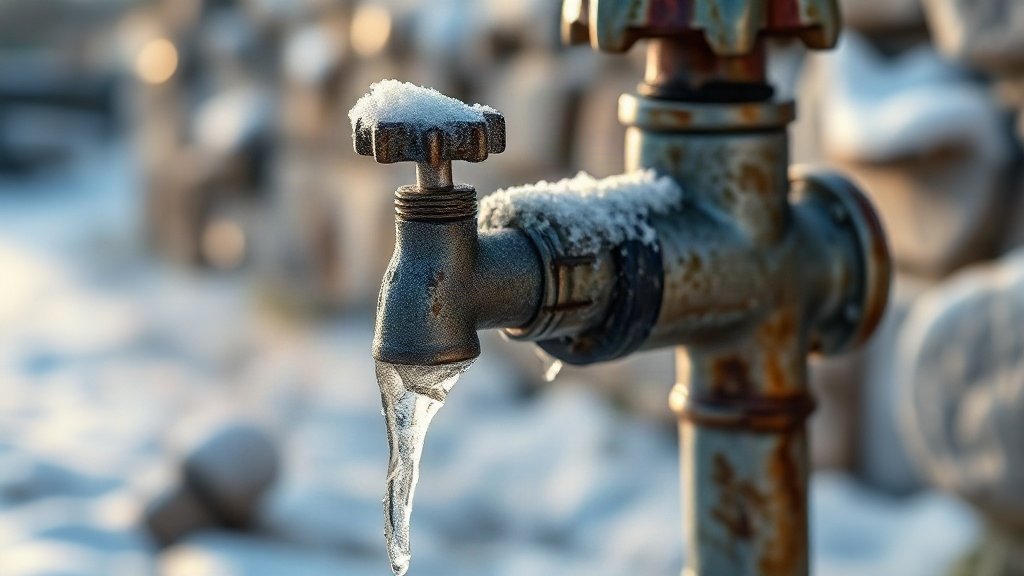
Illustration: AI-generated image
If you live in inland Croatia, you'll know winter can be serious business. While the coast enjoys milder conditions, places like Zagreb, Slavonia and Lika regularly see temperatures plunge well below freezing. For homeowners and renters, that means one thing: the risk of frozen pipes.
Frozen pipes are more than an inconvenience. When water freezes, it expands, and that expansion can crack or burst pipes, leading to expensive water damage and a lot of stress. The good news is that with a little preparation and some simple habits, you can keep your plumbing safe all winter long.
Why do pipes freeze in Croatia?
Pipes freeze when the temperature around them drops below 0°C for a sustained period. The most vulnerable pipes are those in unheated areas: attics, garages, basements, exterior walls, or anywhere outside. In older Croatian homes, especially those built before modern insulation standards, pipes may run along cold exterior walls with little protection.
Coastal areas like Split or Dubrovnik rarely see hard freezes, but the bura wind can make things feel colder, and a sudden cold snap can still catch people off guard. Inland and mountainous regions, however, should expect freezing conditions every winter.
Before the cold arrives
The best time to protect your pipes is in autumn, before the first frost. Here are some steps to take:
- Insulate exposed pipes. Use foam pipe insulation, available at any hardware shop, to wrap pipes in unheated spaces. Pay special attention to pipes near exterior walls, in crawl spaces, and in the attic.
- Seal gaps and cracks. Check where pipes enter your home and fill any gaps with caulk or expanding foam. This keeps cold air out and warm air in.
- Disconnect garden hoses. Drain and store outdoor hoses, and shut off the water supply to outdoor taps if possible. If you have a frost-proof tap, leave it slightly open to allow any remaining water to drain.
- Know where your main shut-off valve is. In case of a burst, you'll need to stop the water quickly. Make sure everyone in the household knows where it is and how to turn it off.
During a cold snap
When the forecast calls for extreme cold, take these precautions:
- Keep your home warm. Maintain a consistent indoor temperature, even when you're away. Set your heating to at least 12–15°C to keep pipes from freezing. It's worth the extra energy cost compared to the damage a burst pipe can cause.
- Let taps drip. For pipes that are especially vulnerable, allow a small trickle of water to run from the tap. Moving water is less likely to freeze. This is particularly useful for pipes on exterior walls or in unheated rooms.
- Open cabinet doors. If you have pipes under kitchen or bathroom sinks, open the cabinet doors to let warm air circulate around them, especially if the sink is on an exterior wall.
- Keep interior doors open. This helps heat flow evenly throughout the house, including to rooms that might otherwise get cold.
What to do if you suspect frozen pipes
If you turn on a tap and only a trickle comes out during cold weather, you may have a frozen pipe. Here's how to handle it safely:
- Keep the tap open. As you treat the frozen pipe, water will begin to flow. Running water through the pipe helps melt the ice.
- Apply gentle heat. Use a hairdryer, heating pad, or warm towels to warm the frozen section. Start from the tap and work your way along the pipe. Never use an open flame, such as a blowtorch, as this can damage the pipe and create a fire hazard.
- Check for leaks. After the pipe thaws, inspect for any cracks or splits. If you find a leak, shut off the main water supply and call a plumber immediately.
When to call a professional
If you can't locate the frozen section, if the pipe is inaccessible, or if you suspect a burst, it's time to call a licensed plumber. In Croatia, most plumbers are experienced with winter pipe issues and can respond quickly, especially in rural areas where homes may be more exposed. It's a good idea to have the number of a reliable local plumber saved in your phone before winter begins.
Preventing frozen pipes is mostly about awareness and a bit of effort. By following these simple steps, you'll save yourself the headache, mess, and expense of dealing with a burst pipe during the coldest months of the year.