How to Set the Table Croatian Style: A Guide to Everyday and Festive Etiquette
From everyday family meals to festive gatherings, table setting in Croatia reflects tradition and hospitality. Here's a practical guide to getting it right.
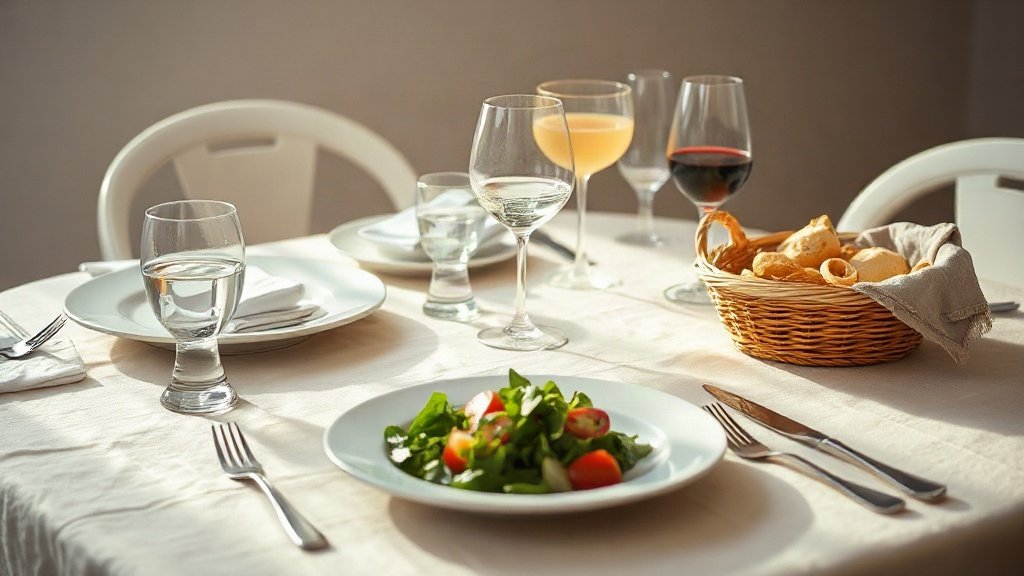
Illustration: AI-generated image
Setting the table in Croatia is a quiet expression of hospitality. While the basics follow European norms, certain touches—like where the salad bowl sits or how glasses are arranged—reflect a culture that values togetherness and order at mealtimes.
Everyday Family Meals
For a simple lunch or dinner at home, the Croatian table is uncluttered but thoughtful. A plate sits at each place, usually with a fork on the left and a knife on the right, blade facing the plate. A soup spoon, if needed, goes to the right of the knife. A small side plate for bread is common, often placed at the top left of the main plate, because bread is nearly always present. Glasses for water and wine are set above the knife, with the water glass slightly to the left of the wine glass. Napkins may be paper or cloth, placed either to the left of the fork or on the plate. The centre of the table often holds a simple bowl of seasonal salad—think tomatoes and cucumber in summer, pickled cabbage in winter—and a bread basket. Meals are served family style: dishes are placed in the middle for sharing rather than plated individually, reinforcing the communal spirit.
Festive Occasions and Holidays
For celebrations such as Christmas, Easter, or a family saint's day, the table setting becomes more elaborate. A tablecloth is essential, traditionally white or embroidered. Charger plates may appear under the main plates, and cloth napkins replace paper ones. Cutlery is expanded according to the number of courses: two forks (salad and main) on the left, two knives and possibly a soup spoon on the right, with dessert cutlery placed horizontally above the plate. Glassware multiplies: a water glass, a white wine glass, and a red wine glass are arranged in a triangle or line. In Dalmatia, a small glass for rakija may also be set. A decorative centrepiece—often a candle or a vase of fresh flowers—adds a festive touch, but it is kept low so guests can see one another. The host typically pours wine for guests, and it is polite to wait for the host to begin eating before starting.
Etiquette Tips to Remember
Croatian table manners are relaxed but respectful. Keep your hands visible above the table, with wrists resting on the edge—not elbows. It is customary to say 'Dobar tek' (bon appétit) before eating. Passing dishes is done to the right, and it is polite to offer bread or salad to others before taking some yourself. When finished, place your knife and fork together on the plate, tines up, to signal you are done. Leaving a little food on your plate is acceptable; cleaning it completely may suggest you are still hungry. Guests are often encouraged to take second helpings, so pace yourself.
Whether you are hosting Croatian friends or simply want to bring a touch of local tradition to your own table, these small details can make any meal feel more welcoming. The essence of the Croatian table is not perfection but generosity—good food, good company, and a setting that says you are cared for.