How to Use a Pharmacy in Croatia: A Practical Guide
From finding a ljekarna to understanding prescriptions, here's what you need to know about getting medication in Croatia.
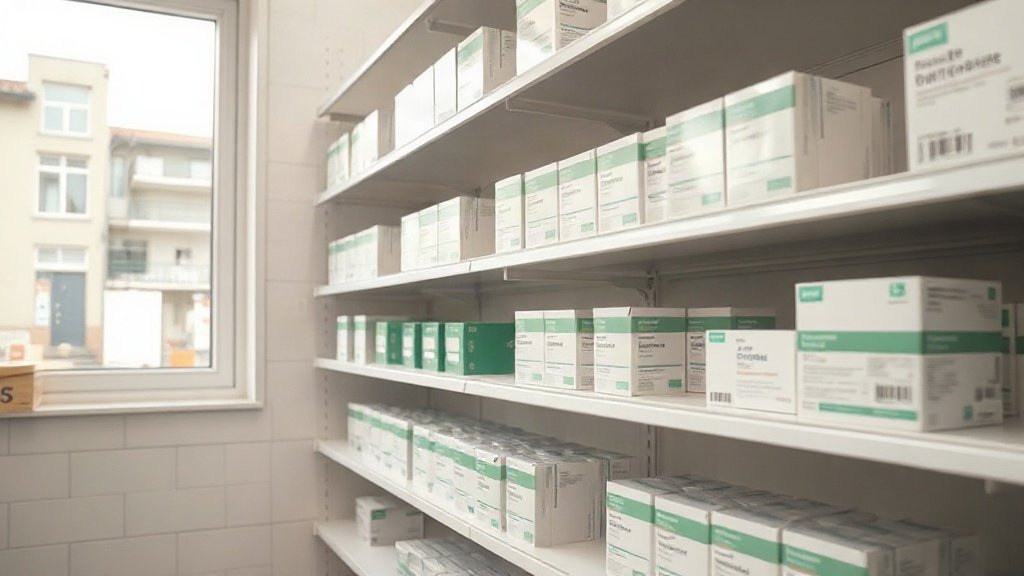
Illustration: AI-generated image
Pharmacies in Croatia, known as ljekarna, are an essential part of everyday life. Whether you need a quick remedy for a headache, a repeat prescription, or advice on minor ailments, understanding how they work will save you time and stress. Here's a practical guide for visitors and residents alike.
Finding a Pharmacy
You'll spot a pharmacy by the green cross sign, often accompanied by the word ljekarna. They are found on nearly every high street and in shopping centres. Most are open Monday to Friday from around 8am to 8pm, with shorter hours on Saturdays, and many are closed on Sundays. However, every town has a designated on-call pharmacy (dežurna ljekarna) that stays open outside normal hours, including nights and public holidays.
To find the nearest on-call pharmacy, check the notice posted on any pharmacy door, look in local newspapers, or ask at a pharmacy during opening hours. In larger cities, some pharmacies operate 24/7.
Prescription vs Over-the-Counter
Many common medications, such as painkillers like paracetamol and ibuprofen, antihistamines, cough syrups, and some creams, are available over the counter (OTC). You can simply ask the pharmacist, who may also offer advice on dosage and use.
Antibiotics, stronger painkillers, and medications for chronic conditions require a prescription from a Croatian doctor. If you have a prescription, you can take it to any pharmacy in the country. Croatian prescriptions are usually electronic, so the pharmacist will find it using your health insurance card or identity number.
Health Insurance and Costs
If you are covered by Croatian health insurance (HZZO), you will typically pay only a small participation fee for prescription medications, while the rest is covered. Without local insurance, you will pay the full retail price. Always keep receipts if you plan to claim on travel or private insurance.
Some medications that are prescription-only in other countries may be available OTC here, but always consult the pharmacist. They are highly trained and can often suggest the right product or advise when to see a doctor.
Language Tips
In tourist areas and larger cities, many pharmacists speak English. Still, knowing a few key phrases helps: Imam recept (I have a prescription), Trebam nešto za glavobolju (I need something for a headache), Koliko košta? (How much does it cost?). If you're unsure, write down the name of the medication or show the packaging.
Common Medications and Etiquette
For minor ailments, you can buy well-known brands and generic equivalents. Always check the active ingredient on the label. Pharmacists are obliged to provide information on safe use, side effects, and interactions. Don't hesitate to ask.
When visiting a pharmacy, be prepared to wait your turn; take a number if there is a ticket machine. Prescriptions are usually filled quickly, but for OTC items, you may need to queue. Payment is by cash or card, and you'll receive a receipt.
Some pharmacies also offer additional services like measuring blood pressure or blood sugar, but these vary, so ask inside.
With a little know-how, using a pharmacy in Croatia is straightforward. Whether you're a short-term visitor or settling in, the green cross is a reliable sign of help when you need it most.