How to Use Public Transport in Croatia: A Practical Guide for New Residents
From city buses and trams to intercity coaches, here's what you need to know to get around Croatia by public transport with confidence.
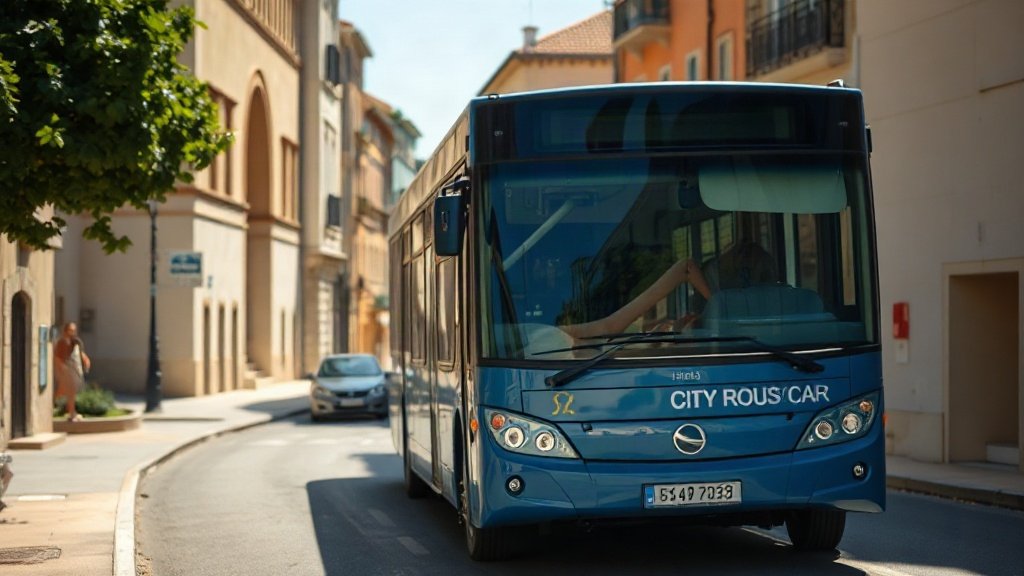
Illustration: AI-generated image
Whether you've just moved to Croatia or are planning a longer stay, mastering the public transport system will make everyday life much easier. Croatian cities and towns are well connected by an extensive network of buses, trams and trains, and with a few practical tips you can travel like a local.
City transport: buses and trams
Most larger cities, including Zagreb, Split, Rijeka and Osijek, operate reliable bus networks. Zagreb also has an extensive tram system that runs through the city centre and outlying neighbourhoods. Buses and trams usually run from early morning until around midnight, with reduced services on Sundays and public holidays.
When waiting at a stop, check the posted timetable for your route and direction. It is common to signal the driver by raising your hand as the bus or tram approaches, otherwise it may not stop. When you want to get off, press the button near the doors before your stop.
Intercity travel: buses and trains
For travelling between cities and towns, intercity buses are often the most practical option. They are frequent, relatively fast and serve many destinations that trains do not reach. The main bus station in each city usually has ticket counters and departure boards. You can buy tickets in advance or directly from the driver, but popular routes can sell out during peak times, so booking ahead is wise.
Trains are operated by the national railway company and connect major cities, but the network is less dense than the bus system. Trains are generally comfortable and affordable, though they can be slower than buses on some routes. For longer journeys, consider overnight trains or sleeping cars where available.
Buying and validating tickets
In most cities, you cannot buy tickets on the vehicle. Instead, purchase them at newspaper kiosks (tisak), tobacco shops or dedicated ticket machines at major stops. Some cities also offer mobile apps for buying and validating tickets electronically, which is convenient for regular commuters.
Once on board, you must validate your paper ticket by inserting it into the small machine near the doors. This stamps the time and date; an unvalidated ticket is not valid and can result in a fine if checked. Keep your ticket until the end of your journey. For intercity buses, the driver or conductor will usually check or collect your ticket when boarding.
Etiquette and practical tips
It is customary to offer your seat to elderly passengers, pregnant women and people with disabilities. Keep your bags off empty seats when the vehicle is crowded. On trams and buses, allow passengers to exit before you board. Smoking is not allowed on any public transport.
If you are unsure about routes or connections, do not hesitate to ask fellow passengers or the driver. Most people are happy to help, and many speak at least some English. With a little practice, getting around by public transport in Croatia will become second nature.