Konoba: A Guide to Croatia's Traditional Family Taverns
Discover the heart of Croatian dining in a konoba, a rustic family-run tavern where local ingredients and time-honoured recipes take centre stage.
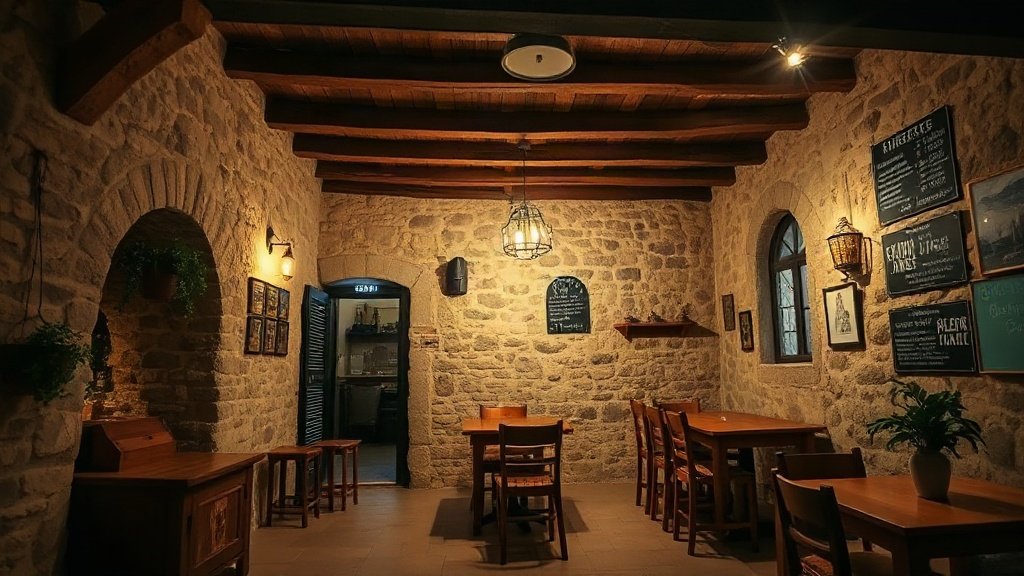
Illustration: AI-generated image
For many visitors, the most memorable meals in Croatia are not found in fine-dining restaurants but in a konoba — a traditional, family-run tavern that embodies the country's culinary soul. These humble establishments, often tucked away in stone alleys or village squares, serve honest food made from local ingredients, accompanied by house wine and a warm welcome.
What exactly is a konoba?
The word konoba comes from the Latin canaba, meaning a cellar or storeroom. Historically, it referred to the ground-floor room in a Dalmatian stone house where wine, olive oil, and cured meats were kept. Over time, many families began serving simple meals in these cool, rustic spaces, and the konoba evolved into a place to eat and drink.
Today, a true konoba retains that cellar-like atmosphere: thick stone walls, wooden beams, dim lighting, and simple furnishings. The focus is on the food, not the decor. Many are still family affairs — the father grills the fish, the mother makes the desserts, and the children wait tables.
What's on the menu?
A konoba's menu is often short and seasonal, reflecting what the family grows, catches, or produces. Along the coast, expect dishes like brudet (fish stew), crni rižot (black cuttlefish risotto), and grilled fish drizzled with olive oil and lemon. Inland, heartier fare such as pašticada (slow-cooked beef in sweet-sour sauce), peka (meat or octopus baked under a bell-shaped lid), and homemade fuži or pljukanci pasta are common.
Starters might include local cheese, pršut (dry-cured ham), olives, and marinated anchovies. Desserts are often simple but satisfying: rožata (caramel custard), fritule (small doughnuts), or a plate of seasonal fruit. The wine list is usually short and proudly local — often a house red or white poured from an unlabelled bottle, or a small selection from nearby vineyards.
How to order and what to expect
Konobe are relaxed places; there is no rush. Menus may be handwritten or recited by the waiter, and English is not always spoken — but pointing at nearby tables or asking for the day's special (dnevna ponuda) works well. Portions are generous, and sharing is common: order a few starters for the table, then a main each.
Don't be surprised if the owner brings you a complimentary glass of rakija (fruit brandy) at the end of the meal — it is a sign of hospitality. Tipping is not obligatory, but rounding up the bill is appreciated.
Finding an authentic konoba
To avoid tourist traps, look for places filled with locals, especially at lunchtime. A short menu, a handwritten board, and a wood-fired grill or peka visible outside are all good signs. In coastal towns, konobe are often found a street or two back from the waterfront; in villages, they may be the only eatery. Ask your accommodation host for their family's favourite — every Croatian has an opinion on the best konoba in the region.
Whether you are sailing along the Adriatic or exploring the hills of Istria, a meal in a konoba is a delicious way to connect with Croatian tradition. Pull up a wooden chair, order a carafe of house wine, and savour the pace of a meal that has hardly changed in centuries.