Kotlovina: A Guide to Croatia's Hearty Outdoor Meat Stew
Learn about kotlovina, the beloved Croatian meat stew cooked outdoors in a large metal kettle, from its ingredients to its role in social gatherings.
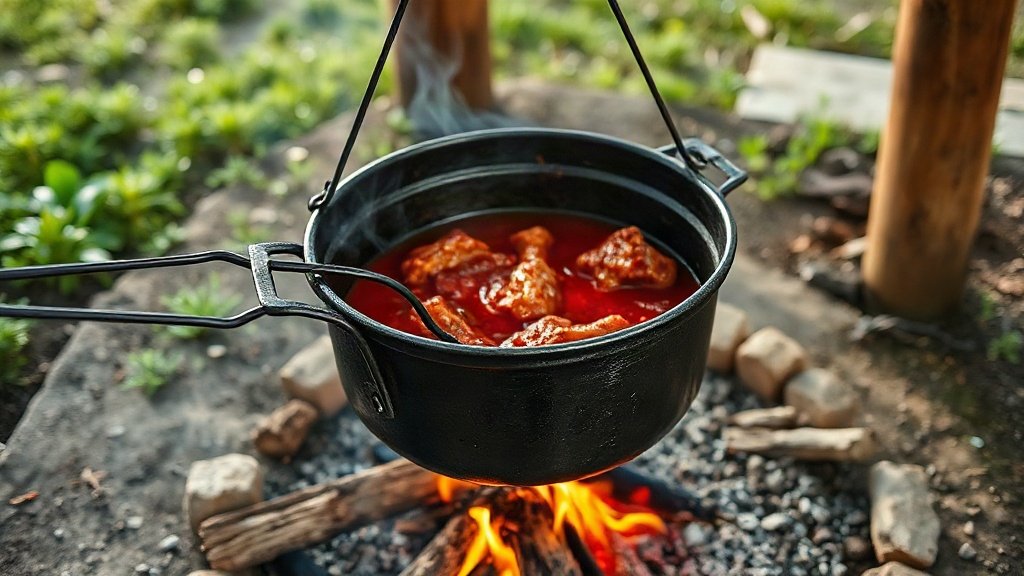
Illustration: AI-generated image
When Croatians gather for a celebration, a family reunion, or simply a long weekend in the countryside, chances are the centrepiece is a bubbling pot of kotlovina. This hearty meat stew, cooked outdoors in a large metal cauldron, is a beloved tradition across much of Croatia, particularly in the continental regions. It’s more than just a meal—it’s a social event that brings people together around the fire.
What Is Kotlovina?
Kotlovina takes its name from kotao, the Croatian word for cauldron or kettle. The dish is a rich, slow-cooked stew made with a variety of meats, typically pork, but often including sausages, bacon, and sometimes other cuts. Vegetables such as onions, peppers, and tomatoes are added, along with generous amounts of paprika, garlic, and herbs. The result is a deeply savoury, slightly smoky stew with a thick, flavourful sauce.
The origins of kotlovina are rooted in rural life, where families would cook large meals over open fires using whatever meat and produce was available. Today, it remains a staple at outdoor gatherings, from village fairs to private parties, and is especially popular in the regions around Zagreb, Zagorje, and Slavonia.
The Cooking Process
What sets kotlovina apart is its cooking method. The stew is prepared in a large, round metal pot—often a purpose-built kotlovina kettle—that hangs over an open fire or sits on a tripod. The meat is first rendered and browned in the pot, releasing fat that forms the base of the stew. Then onions and other vegetables are added, followed by spices and liquid, usually water or wine. The mixture is left to simmer slowly for several hours, allowing the flavours to meld and the meat to become tender.
Stirring is a job often shared among the group, and the slow pace of cooking is part of the appeal. As the stew bubbles, the aroma fills the air, and anticipation builds. The fire itself is managed carefully to maintain a gentle, even heat, and the pot is often covered with a lid or left open depending on the desired consistency.
What Goes Into Kotlovina?
While recipes vary by region and family, a typical kotlovina includes:
- Pork – shoulder, neck, or belly, cut into chunks
- Smoked meats – such as bacon, ribs, or kobasica (sausage)
- Onions – a generous amount, sliced or chopped
- Peppers – both sweet and hot varieties
- Tomatoes – fresh or as paste
- Paprika – sweet and sometimes hot, giving the stew its characteristic red colour
- Garlic, bay leaf, and black pepper
Some versions include potatoes or mushrooms, and in certain areas, game meats like venison or wild boar are used. The stew is typically served with fresh bread, which is perfect for soaking up the rich sauce, and often accompanied by a simple salad of cabbage or cucumbers.
Where to Find Kotlovina
Kotlovina is a fixture at outdoor events, especially during the warmer months. You’ll find it at local festivals, church gatherings, and sporting events, where large kettles are set up in the open air. Many rural restaurants and izletišta (excursion spots) also offer kotlovina as a specialty, often cooked to order for groups. In Zagreb and surrounding areas, it’s common for families to make kotlovina at weekend cottages or in backyards, turning the cooking into a day-long affair.
For travellers, encountering kotlovina is a chance to experience authentic Croatian hospitality. If you’re invited to a gathering, don’t hesitate to join in—stirring the pot or simply watching the process is part of the fun.
Enjoying Kotlovina Like a Local
To fully appreciate kotlovina, take your time. It’s not a fast-food dish; it’s meant to be savoured slowly, with good company and perhaps a glass of local wine or rakija. The stew is best enjoyed piping hot, straight from the pot, with chunks of crusty bread to mop up every last bit of sauce. Don’t be shy about going back for seconds—hosts consider it a compliment.
While kotlovina is most common in continental Croatia, variations can be found throughout the country, each with its own twist. Regardless of where you try it, the experience is a delicious reflection of Croatian tradition: simple, hearty, and deeply rooted in community.