Kroštule: A Guide to Croatia's Golden Fried Pastry Ribbons
Discover kroštule, the irresistible fried dough ribbons that are a beloved treat across Dalmatia and Istria, especially during carnival season.
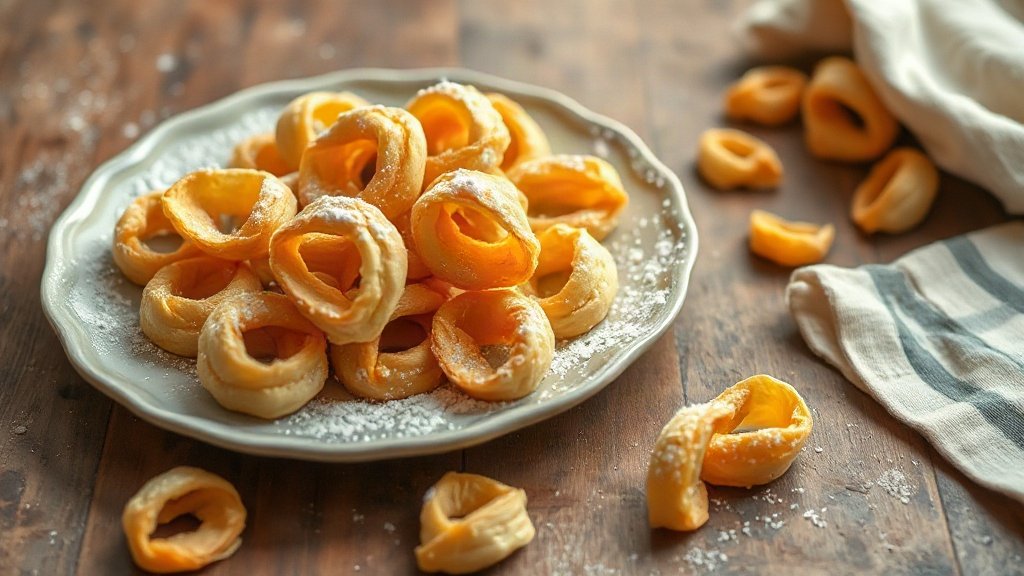
Illustration: AI-generated image
Croatia's rich culinary landscape extends far beyond its famous savoury dishes. Among the sweet treats that hold a special place in local tradition are kroštule, delicate ribbons of fried dough that are crisp, golden, and dusted with sugar. Found predominantly along the Adriatic coast—in Dalmatia and Istria—these pastries are a highlight of festive gatherings, particularly during the carnival season that precedes Lent.
What are kroštule?
Kroštule are thin strips or ribbons of sweet dough that are twisted or knotted before being deep-fried. The dough is typically made from flour, eggs, butter, sugar, and a splash of local spirit such as rakija or grappa, which adds flavour and helps create a light, airy texture. Once fried to a golden brown, they are immediately dusted with icing sugar or granulated sugar. The result is a crunchy, melt-in-your-mouth treat that is both simple and elegant.
How kroštule are made
The preparation of kroštule is a cherished tradition, often passed down through generations. The dough is rolled out very thinly, then cut into strips or diamond shapes. These pieces are then deftly twisted or tied into bows or knots—a step that requires practice and a light touch. The shaped dough is fried in hot oil until puffed and golden, then removed and drained. While still warm, the kroštule are generously coated with sugar. Some variations include a hint of lemon zest or vanilla, and a few recipes call for a light drizzle of honey.
When to enjoy kroštule
Kroštule are traditionally associated with the carnival period, known in Croatia as mesopust or karneval. In the weeks leading up to Lent, households along the coast prepare large batches to share with family and friends. They also appear at festive markets and local celebrations throughout the year. Thanks to their long shelf life—they stay crisp for several days when stored in an airtight container—they are a popular treat for holidays and special occasions.
Where to find them
If you find yourself in Dalmatia or Istria during carnival season, you'll likely encounter kroštule at bakeries, pastry shops, and street stalls. Many families still make them at home, and the pastries are a common sight at local fairs and cultural events. While they are most abundant in late winter, some establishments offer them year-round as a testament to their enduring popularity.
Whether enjoyed with a cup of coffee or as a sweet ending to a meal, kroštule offer a taste of Croatia's coastal heritage—one crispy, sugary bite at a time.