Marenda: A Guide to Croatia's Mid-Morning Snack Tradition
Discover marenda, the Dalmatian custom of a light meal between breakfast and lunch, and learn what foods to enjoy and how to experience it like a local.
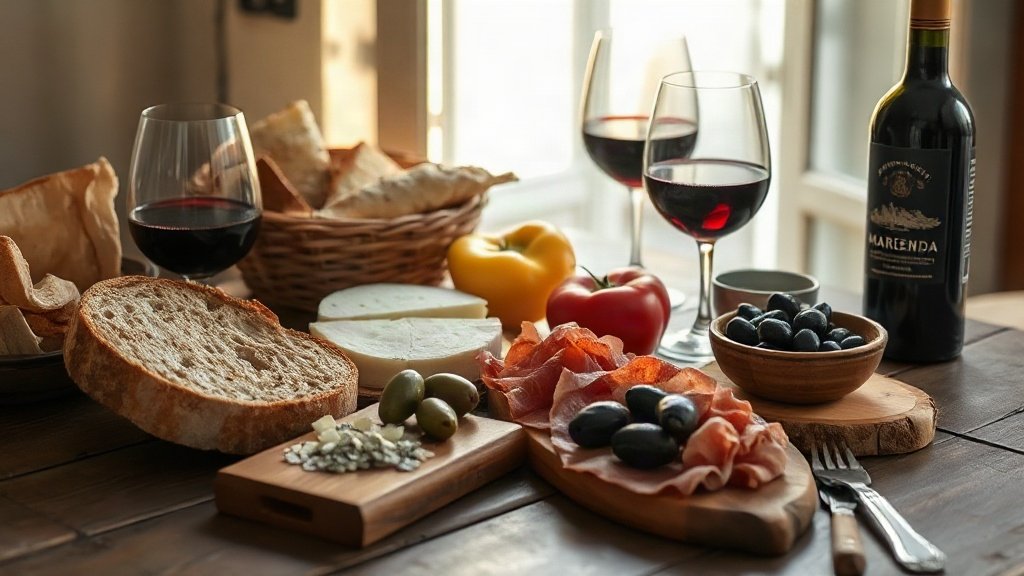
Illustration: AI-generated image
In Croatia, the mid-morning meal known as marenda is a cherished tradition, especially along the Dalmatian coast. Falling between breakfast and lunch, it serves as a welcome break in the day’s rhythm, offering simple, hearty foods that reflect the region’s Mediterranean character. Whether enjoyed at a workplace, in a konoba, or on a sun-drenched terrace, marenda is as much about social connection as it is about sustenance.
What is marenda?
The word marenda comes from the Italian merenda, meaning a light meal, and its roots reach back to Latin. In Dalmatia, marenda typically takes place between 9:30 and 11:00 in the morning. It is not a second breakfast or an early lunch, but a distinct pause — a moment to eat something savoury, often accompanied by a small glass of wine or bevanda (wine mixed with water), and to chat with colleagues, friends or family. For manual workers, it provides fuel for the rest of the day; for others, it is a relaxed ritual that softens the hours before the main meal.
Typical marenda foods
The foods served at marenda are unpretentious, relying on local ingredients that are easy to prepare and share. A classic spread might include:
- Bread: crusty white or corn bread, often from a local pekara (bakery).
- Cheese: Paški sir from Pag, or fresh cow's or sheep's cheese.
- Cured meats: pršut (dry-cured ham) and panceta (pancetta).
- Fish: marinated or grilled sardines and anchovies, or salted anchovies on bread.
- Eggs: hard-boiled eggs or a simple fritaja (omelette) with herbs.
- Vegetables: olives, tomatoes, onions, and perhaps pickled vegetables.
- Extras: a bowl of leftover soup or stew from the previous day is not uncommon.
The choice depends on the season and what is at hand, but the principle is always the same: good ingredients, simply prepared.
When and where to enjoy marenda
Marenda is woven into the daily routine of Dalmatia. In many workplaces, it is a scheduled break, and colleagues may bring food from home or order from a nearby konoba. Visitors can experience marenda authentically by seeking out a traditional konoba that serves a marenda platter — a selection of local cheeses, pršut, olives and bread — usually accompanied by a glass of wine. Alternatively, you can create your own marenda by visiting a green market for fresh ingredients and a bakery for bread, then finding a scenic spot to sit and savour the moment. While marenda is most strongly associated with Dalmatia, similar light meals exist elsewhere in Croatia, but the name and the ritual are distinctly coastal.
How to make your own marenda
To bring a taste of Dalmatia to your own table, assemble a small board with a few quality ingredients: a wedge of aged sheep's cheese, thinly sliced pršut, a handful of olives, some marinated anchovies, ripe tomatoes, and a loaf of good bread. Add a glass of bevanda — one part red or white wine to one part still or sparkling water — and you have a simple, satisfying pause. The key is to keep portions modest, so that lunch is still welcomed a few hours later. Marenda is not about indulgence; it is about balance and enjoyment.
For travellers, embracing marenda offers a delicious window into the unhurried pace of Dalmatian life. It invites you to slow down, taste the region’s everyday foods, and connect with the culture beyond the tourist trail.