Marenda: Croatia's Beloved Mid-Morning Meal and How to Enjoy It
Discover the Dalmatian tradition of marenda – a mid-morning meal of bread, cheese, and cured meats that's as much about connection as food.
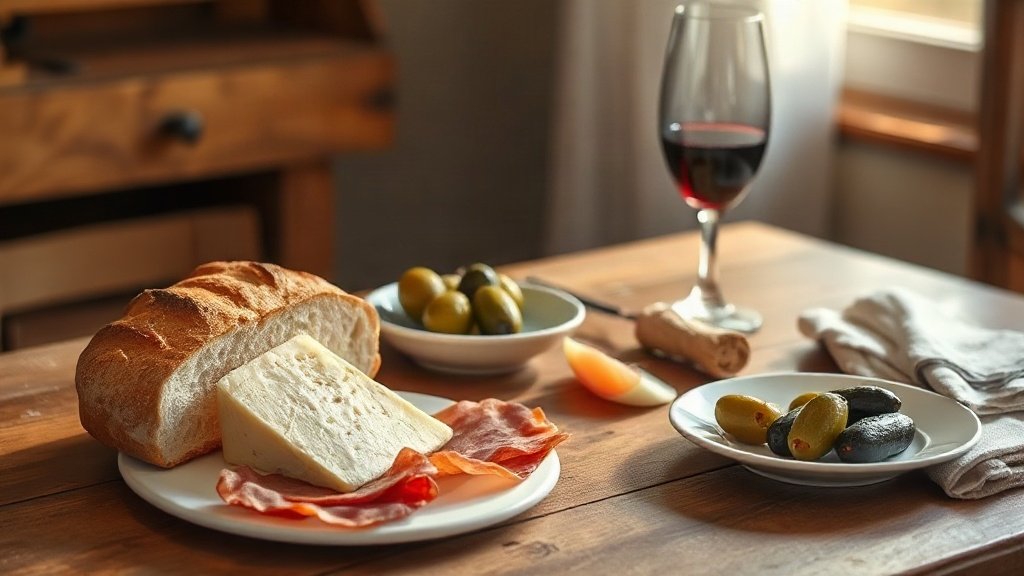
Illustration: AI-generated image
If you spend any time on Croatia's coast, you'll likely hear the word marenda before long. This beloved mid-morning meal is far more than a snack; it's a cherished pause in the day, deeply woven into Dalmatian life.
What is marenda?
Marenda (also spelled marinda in some areas) is a light meal typically eaten between breakfast and lunch, usually around 10 or 11am. The tradition is especially strong along the Adriatic coast and on the islands, where it has long fuelled farmers, fishermen and labourers through the morning. Today, it remains a daily ritual for many, whether taken at home, at work, or in a local konoba (tavern).
What's on the table?
There's no single fixed menu, but a classic marenda often includes fresh bread, local cheese, cured meats like pršut (prosciutto), salted anchovies or sardines, and olives. A simple salad of tomatoes or pickled vegetables might appear, depending on the season. To drink, a small glass of wine or a shot of rakija is common, though many now prefer coffee or mineral water. The key is that it is savoury, modest and quickly prepared – not a heavy meal.
The social side
Marenda is rarely eaten alone. In workplaces, it's a moment when colleagues gather to share food and conversation. On construction sites, you might see workers breaking bread together on a bench. In villages, neighbours might call in on each other. The meal is as much about connection as nourishment, offering a daily chance to pause and reset before the rest of the day.
How to enjoy marenda yourself
If you live in Croatia or are visiting for a while, adopting marenda is easy. Keep a small stash of good bread, cheese, and pršut or anchovies in the fridge. Around mid-morning, set aside 15–20 minutes to sit down and eat slowly, away from your desk or chores. Invite a friend or colleague to join if you can. You don't need to drink alcohol – a glass of water or tea works fine. The point is the ritual: a deliberate break with simple, honest food.
For visitors, many konobas serve marenda at the traditional time, often from late morning until early afternoon, though this varies. Look for places that are busy with locals rather than tourists. A plate of cheese, pršut, anchovies, olives and bread with a glass of local wine is a perfect introduction to Dalmatian food culture without committing to a full lunch.
Why it matters
In a fast-paced world, marenda is a gentle reminder to slow down. It embodies the Dalmatian philosophy of enjoying life's small pleasures – fresh food, good company, and a beautiful view. Even if you can't live by the sea, you can bring a little of that spirit to your own routine.
So tomorrow, when hunger strikes mid-morning, skip the quick snack and make yourself a proper marenda. Your body – and your soul – will thank you.