Peka: How to Eat Croatia's Slow-Cooked Dish Under the Bell
Peka is lamb, veal or octopus cooked slowly under an iron bell buried in embers. Here is what it is, how it works and how to order it well.
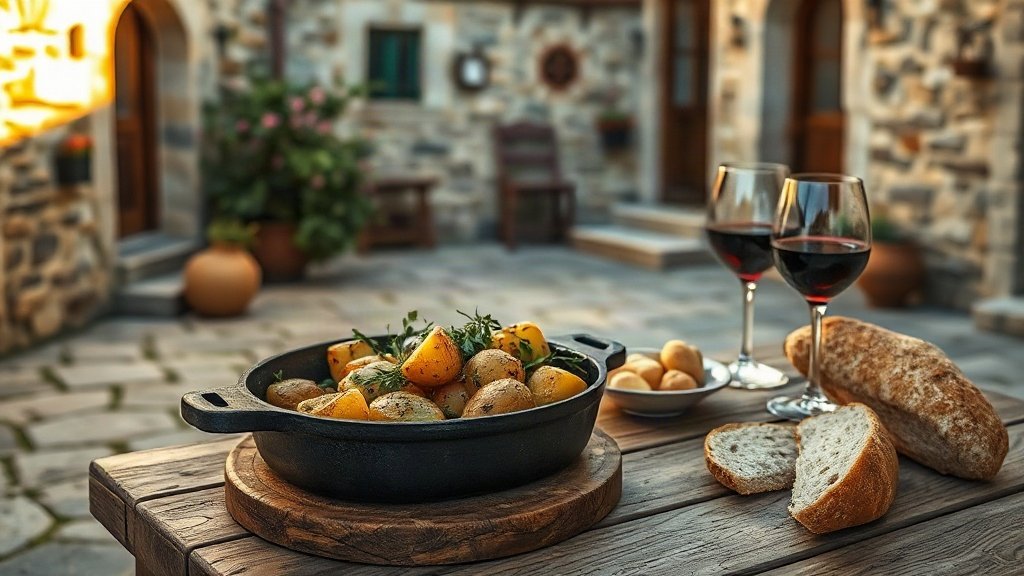
Illustration: AI-generated image
If there is one dish that captures the unhurried side of Croatian cooking, it is peka. Meat or seafood and vegetables are roasted slowly under a domed lid, covered in hot embers, until everything is tender and smoky. It is found across the country, from Dalmatia to the islands and inland.
What is peka?
The word refers both to the dish and to the equipment. A peka (sometimes called sač or crepulja) is a shallow dish with a heavy, bell-shaped metal lid. The food goes in, the lid goes on, and hot coals are raked over the top and around the sides.
The enclosed heat works like a rustic oven. Juices stay in, fat bastes the vegetables, and the result is soft, deeply flavoured and slightly smoky.
What goes in
The classic versions are simple and rely on good ingredients:
- Lamb, especially popular on the islands and in Dalmatia
- Veal, a common alternative
- Octopus, the best-known seafood version
- Potatoes, carrots and onions, which cook in the meat juices
Seasoning is typically restrained: olive oil, salt, garlic, rosemary and other Mediterranean herbs. The point is to taste the main ingredient, not to mask it.
Why you need to order ahead
A proper peka takes a long time, often a couple of hours or more, and the embers need to be prepared first. For that reason, many restaurants and konobas ask you to order it in advance, sometimes the day before. If you see peka on a menu, ask how much notice is needed. It is usually made for sharing, so it suits groups or families best.
How to eat it
Peka is typically brought to the table in the dish or lifted out when ready. Expect to share generously, tearing off tender pieces and spooning the potatoes through the juices. Bread is useful for the last of the sauce.
Do not rush. This is a long, relaxed meal, so plan to linger rather than squeeze it in before a ferry or a tour.
What to drink with it
Croatian red wines are a natural match for lamb and veal. In Dalmatia, that often means a robust local red such as Plavac Mali. With octopus, a crisp white from the coast works well. Water and a simple salad on the side help balance the richness.
Making it at home
Some home cooks use a traditional fireplace or outdoor hearth, while others use a Dutch oven or a heavy covered casserole in the oven. It will not match the smokiness of embers, but low, steady heat and a tight lid get you part of the way.
Whether you eat it in a seaside konoba or a village courtyard, peka is a good reminder that some of the best meals in Croatia are the ones that take their time.