Picigin: Croatia's Beloved Beach Game and How to Play It
Discover the uniquely Dalmatian ball game that turns shallow water into a playground—no winners, no losers, just pure summer joy.
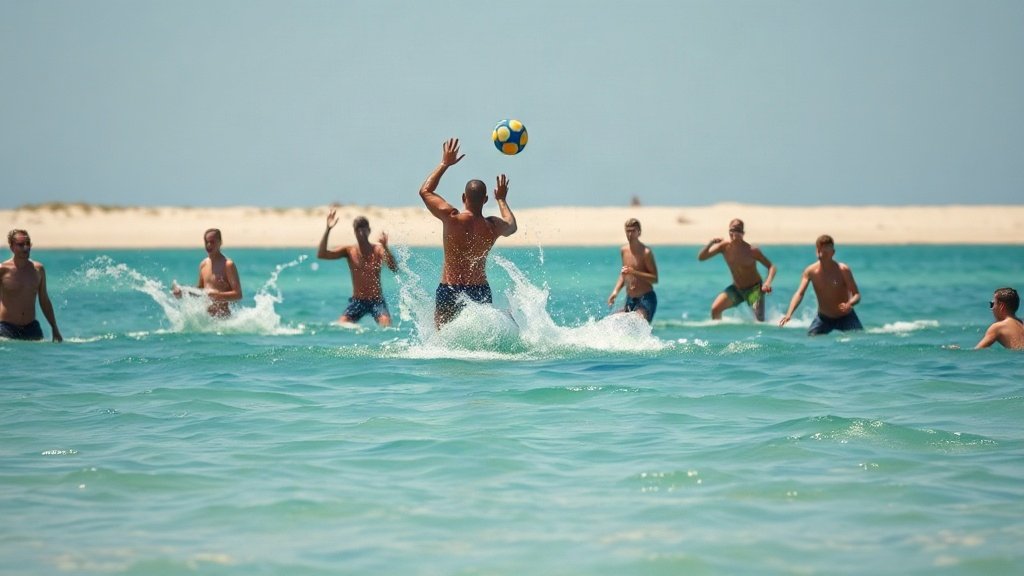
Illustration: AI-generated image
On any warm summer day, the shallow waters off Croatia's Dalmatian coast come alive with a peculiar sight: groups of people standing waist-deep in the sea, leaping, diving, and slapping a small ball with astonishing acrobatics. This is picigin (pronounced “pee-tsee-gheen”), a beloved beach tradition that has been part of Croatian coastal life for over a century.
What is picigin?
Picigin is a ball game played in shallow sea water, typically on sandy beaches. It originated in the city of Split and remains deeply tied to Dalmatian identity. The aim is simple: keep a small ball from touching the water using any part of the body—usually the palm of the hand, but feet, head, and even spectacular dives are all part of the fun. There are no official teams, no points, and no winners or losers. Instead, it’s a cooperative, joyful display of skill and spontaneity.
The origins of picigin
The game was developed in the early 20th century by students at Bačvice beach in Split. They took a regular ball, removed its outer felt to make it softer and lighter, and began batting it around in the shallows. Over the decades, picigin evolved into a symbol of Dalmatian leisure—a celebration of sea, sun, and friendship that transcends age and ability.
How to play (or at least try)
To play, you need a shallow, sandy-bottomed sea (the water should be around knee- to waist-deep), a picigin ball, and a group of willing friends. The ball is traditionally a small rubber ball, about the size of a tennis ball, with the felt removed. Some players soak it in water to make it a bit heavier and easier to control.
Players form a circle and one person tosses the ball into the air. From there, the goal is to keep it aloft using any body part, often with dramatic leaps and dives. The more acrobatic and improbable the save, the better. A well-executed dive that sends the ball flying back into play earns cheers from everyone around. There’s no scoring, but a spectacular save is its own reward.
Where to experience picigin
The spiritual home of picigin is Bačvice beach in Split, a shallow sandy bay that fills with players every summer day. But you’ll also see games on other sandy beaches along the coast, such as those near Dubrovnik, Makarska, and on the islands. Watching locals play is a treat in itself, and if you’re invited to join, don’t hesitate—beginners are always welcome. There’s even an annual World Championship, but you don’t need to be a pro to enjoy the game.
Tips for your first game
- Use a soft ball without the felt to avoid stinging your hands.
- Warm up your legs and shoulders; the game involves a lot of sudden moves.
- Don’t be afraid to dive—the water is shallow, but the sand is soft.
- Remember, it’s about fun, not competition. A successful pass is celebrated by everyone.
Picigin is more than just a game; it’s a state of mind. It embodies the Dalmatian approach to life: relaxed, sociable, and deeply connected to the sea. So next time you’re on Croatia’s coast, keep an eye out for the flying balls and laughing players. Better yet, wade in and give it a try.