Sarma: A Guide to Croatia's Hearty Stuffed Cabbage Rolls
Sarma, Croatia's beloved dish of cabbage leaves stuffed with seasoned meat and rice, is a winter staple that brings families together. Here's what makes it special.
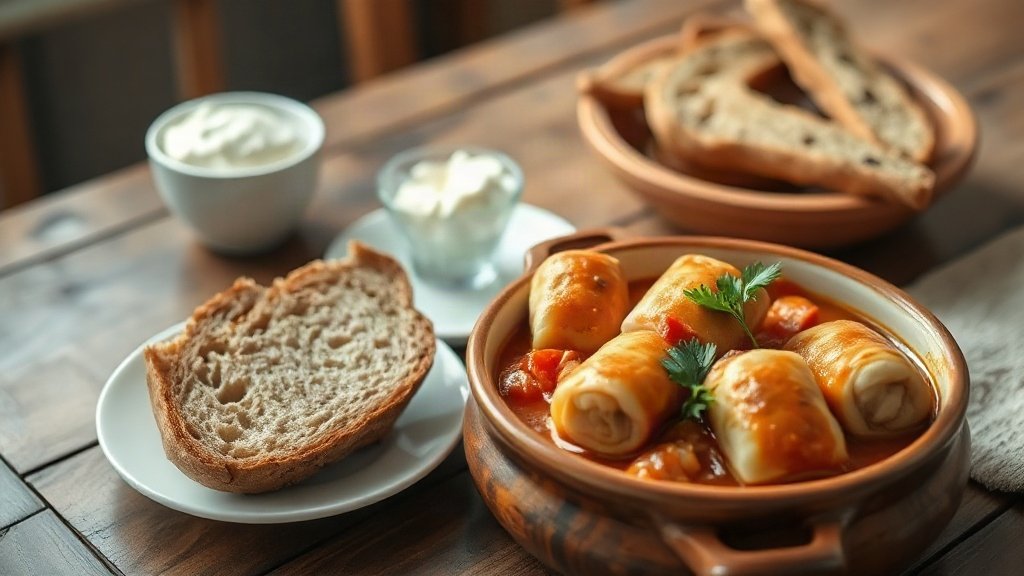
Illustration: AI-generated image
Sarma is one of Croatia's most cherished comfort foods: tender cabbage leaves wrapped around a savoury filling of minced meat, rice, and spices, simmered slowly in a rich tomato and paprika sauce. A winter favourite, it appears on family tables across the country, especially during holidays and festive gatherings.
What is sarma?
The name sarma comes from the Turkish word for "wrapping," a nod to the dish's Ottoman influences that spread across the Balkans. In Croatia, it has evolved into a distinctly local speciality, with recipes passed down through generations. The core components are simple: pickled or fresh cabbage leaves, a filling of minced pork or beef mixed with rice, onions, garlic, and paprika, and a slow-cooked broth that deepens in flavour over hours.
Ingredients and preparation
Traditionally, whole heads of cabbage are fermented into sauerkraut, whose leaves become pliable and slightly sour. Alternatively, fresh cabbage leaves may be blanched until soft. The filling combines minced meat (often a mix of pork and beef) with rice, finely chopped onion, garlic, eggs, and spices like sweet or smoked paprika, black pepper, and sometimes dried herbs. Each leaf is filled, rolled tightly, and tucked into a heavy pot. The rolls are layered with smoked meats such as bacon or ribs, then covered with water or stock, tomato purée, and more paprika. The pot simmers gently for two to three hours, allowing the flavours to meld.
Regional variations
While the basic formula is consistent, regional differences abound. In Slavonia, sarma is especially hearty, often including more smoked meat and a spicier paprika. Coastal versions might use a lighter hand with the tomato and add a splash of white wine. Some cooks prefer fresh cabbage for a milder taste, while others insist on fermented leaves for that signature tang. Vegetarian adaptations replace meat with mushrooms, lentils, or grains, though the classic remains meat-centric.
When and how it's served
Sarma is firmly associated with cold weather, particularly Christmas, New Year, and family celebrations. It is typically served hot, several rolls per person, often accompanied by mashed potatoes, polenta, or crusty bread to soak up the sauce. A dollop of sour cream is a common addition, cutting through the richness. Leftovers are considered even better the next day, as the flavours continue to develop.
Making sarma at home
For those keen to try, the process is rewarding but requires patience. Start by preparing the cabbage: if using sauerkraut leaves, rinse them to reduce saltiness; if using fresh, blanch whole leaves until pliable. Mix the filling, roll each leaf tightly, and arrange in a pot with a layer of smoked meat at the bottom and between layers. Add liquid and seasonings, then simmer low and slow. The result is a deeply comforting dish that embodies Croatian home cooking.