Ston Walls: Walking Croatia's 'Great Wall' on Pelješac
The fortified walls of Ston stretch across the hill above the Pelješac peninsula. Walk the ramparts, taste famous oysters and explore ancient salt pans in one easy day trip.
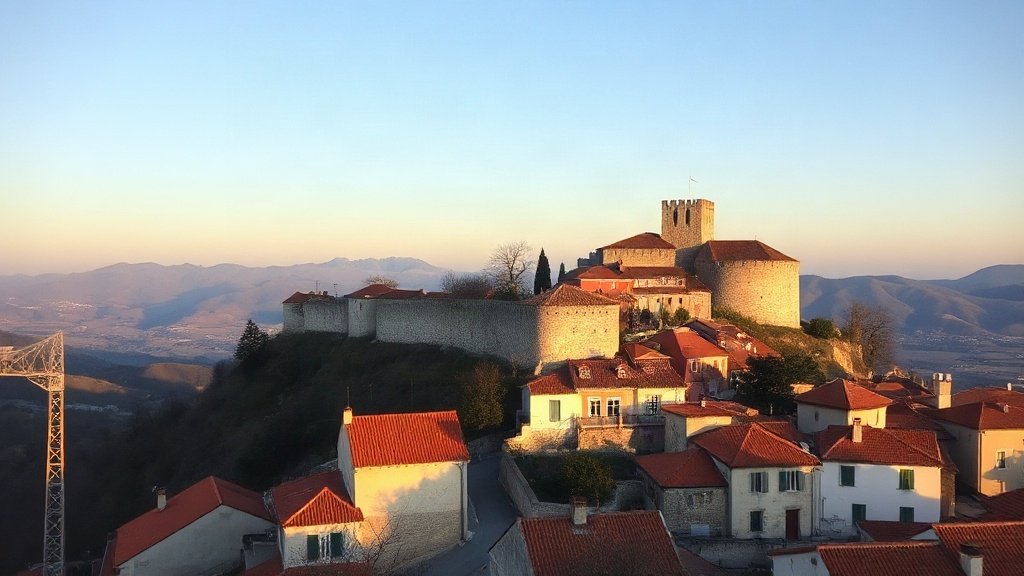
Illustration: AI-generated image
The little town of Ston, on the isthmus connecting the Pelješac peninsula to the mainland, guards a secret that surprises many visitors: a massive medieval wall snaking over the hills for more than five kilometres. Often called 'the European Wall of China', the Ston Walls are among the longest preserved fortification systems on the continent, and walking them is one of the most unusual things you can do in southern Dalmatia.
Why Ston has such big walls
The walls were built in the 14th and 15th centuries by the Republic of Ragusa, today's Dubrovnik. Ston was strategically vital for two reasons: it protected the northern border of the republic, and it guarded the precious salt pans that still lie just outside the town. Salt was worth its weight in gold, so the Ragusans spared no expense. The result is a complex of towers, forts and curtain walls that once stretched from Ston to Mali Ston, a smaller settlement a few kilometres away on the bay.
Walking the ramparts
Today you can climb up onto a restored section of the walls and follow them as they rise steeply above red-roofed houses and green hills. The walk is not for the faint-hearted: the steps are uneven in places, and there is little shade from the midday sun, but the views are spectacular. To one side you see the flat, glittering salt pans; to the other, the blue waters of Mali Ston Bay and the mountains of the mainland. Most visitors start from the main entrance in Ston and walk as far as they wish before returning the same way. A full traverse to Mali Ston takes around an hour in each direction.
Oysters and salt: the two other reasons to stop
No visit to Ston is complete without tasting the local oysters. Mali Ston Bay is one of the most famous oyster-growing areas in the Adriatic, and the shellfish have been cultivated here since Roman times. Small, plump and intensely briny, they are best eaten raw with a squeeze of lemon at a waterfront restaurant. Don't miss the chance to see the salt pans either. Ston's salt pans are among the oldest in Europe and are still worked in the traditional way, producing a small but highly prized harvest each summer. You can walk along the narrow channels between the pans and watch the salt crystallise in the shallows.
Practical tips for your visit
Ston is an easy day trip from Dubrovnik, about an hour's drive north along the coast road. Buses also run regularly and stop on the main road just outside the town. The walls are open year-round, but spring and autumn offer the most comfortable walking temperatures. Wear sturdy shoes, bring water and a hat, and try to set off early or late in the day to avoid the heat and the crowds that arrive in summer. Combine your wall walk with a seafood lunch in Mali Ston, and you have a perfect half-day escape into one of Croatia's most remarkable pieces of medieval engineering.