The Gajde: A Guide to Croatia's Traditional Bagpipes
From the Slavonian plains to the hills of Istria, discover the history, sound and living tradition of Croatia's bagpipes.
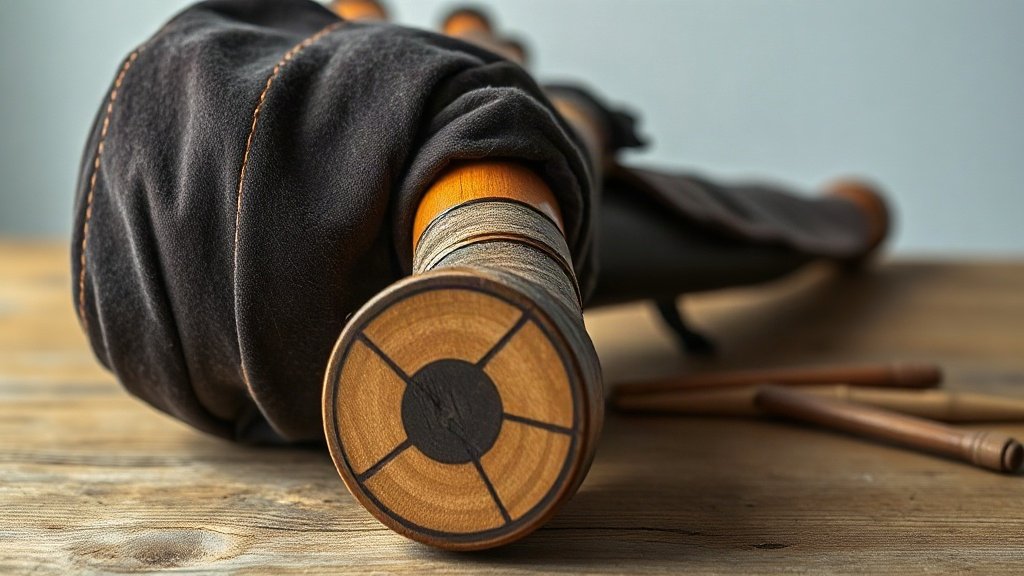
Illustration: AI-generated image
While Scotland's great Highland bagpipe is world-famous, Croatia has its own rich bagpipe tradition that is less known but equally fascinating. The gajde (pronounced guy-deh) have been a part of rural life in the north and east of the country for centuries, providing music for dances, weddings and community gatherings. In Istria, a related instrument called the mih fills a similar role with a distinctly Mediterranean character.
What are the gajde?
The gajde are a type of bagpipe consisting of a bag made from animal skin—usually goat—which acts as an air reservoir. The player blows air into the bag through a blowpipe, then squeezes the bag with their arm to push air through the chanter, the melody pipe with finger holes, and one or more drones, which produce a constant harmonic note. This gives the instrument its characteristic continuous, buzzing sound that can be heard across open fields or village squares.
Regional variations
Croatia's bagpipes vary by region, each with its own tuning, size and repertoire. The main types include:
- Slavonian gajde – Common in eastern Croatia, often with a double chanter that allows two notes to be played simultaneously, creating a rich harmony.
- Baranja gajde – Similar to the Slavonian type, but typically smaller and with a higher pitch, used in the folk music of the Baranja region.
- Istrian mih – Found on the Istrian peninsula, this bagpipe is tuned to the unique Istrian scale, giving it a distinctive, slightly melancholic sound that pairs beautifully with the sopele shawm.
Sound and music
The sound of the gajde is raw and powerful, designed to carry over the noise of dancing feet and lively conversation. The drone provides a hypnotic backdrop while the chanter plays the melody, often in a rapid, ornamented style. Traditional repertoire includes circle dances like the kolo, as well as songs for weddings and other celebrations. In Istria, the mih is often played alongside the sopele in a duo known as the sopele i mih, creating a texture that is both ancient and timeless.
Where to hear them today
Although the gajde were once common throughout rural Croatia, today they are kept alive by dedicated folk ensembles and cultural societies. You can hear them at folklore festivals, local smotras (folk gatherings), and sometimes at traditional events in Slavonia, Baranja and Istria. Learning to play the gajde is a challenge, but a growing number of young musicians are taking up the instrument, ensuring that its voice will continue to echo across Croatia's landscapes for generations to come.