Understanding Pričuva: A Guide to Croatian Apartment Building Fees
If you own or rent an apartment in a Croatian building, you have probably heard of pričuva. Here is a clear guide to what it is, what it covers, and how it works.
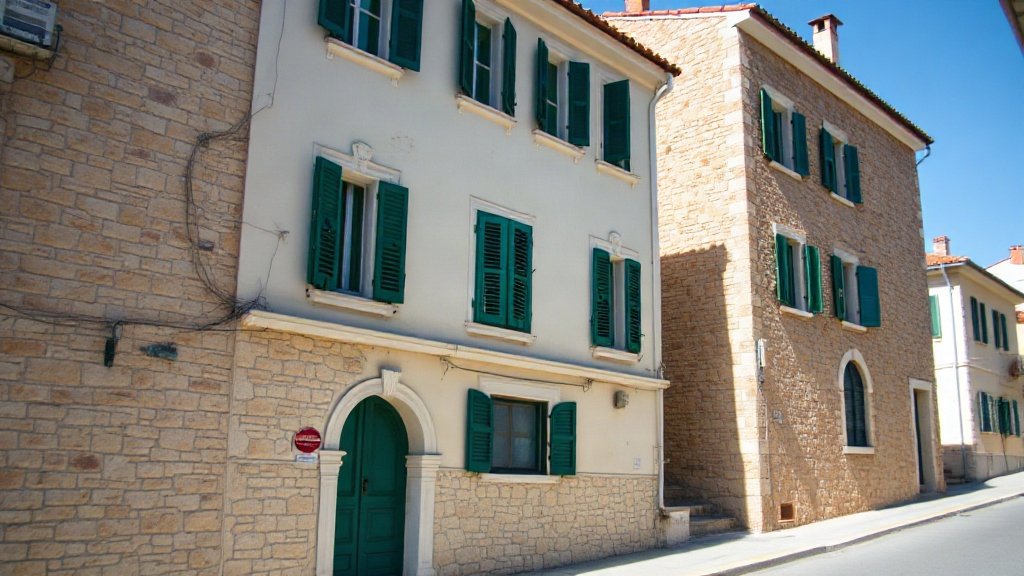
Illustration: AI-generated image
Living in an apartment building in Croatia comes with a regular expense that often puzzles newcomers: pričuva. This monthly fee is a key part of shared ownership and keeps the building in good shape. Whether you own a flat or rent one, understanding pričuva will help you budget correctly and avoid surprises.
What exactly is pričuva?
Pričuva is a common reserve fund paid by all co-owners of a residential building. Under Croatian law, every apartment owner automatically shares ownership of the building’s common areas—the roof, staircase, lift, entrance, and surrounding land. Because these parts need regular upkeep and occasional repairs, owners contribute money each month into a joint account. That pooled fund is the pričuva.
It is important to note that pričuva is not the same as your personal utility bills. It is a separate charge that goes towards collective maintenance, not your own electricity or water usage.
What does pričuva cover?
The money is used for a range of shared expenses, including:
- Cleaning of common areas such as staircases and hallways
- Electricity for shared lighting and the lift
- Lift maintenance and safety inspections
- Minor repairs to the roof, facade, or entrance
- Gardening and upkeep of shared green spaces
- Building insurance premiums
- Fees for a professional building manager, if the co-owners hire one
The pričuva also acts as a reserve for larger, unexpected repairs—for example, fixing a broken lift or repairing storm damage to the roof. Without a healthy reserve, owners would have to collect a large, one-off payment when something goes wrong.
How is pričuva calculated?
The exact method is set out in the building’s house rules and usually follows the law on co-ownership. In most buildings, the monthly amount is based on each owner’s share of the total building area. Your share is shown on your title deed and is calculated as the size of your apartment divided by the total floor area of all apartments and common spaces.
For example, if your flat represents 2% of the building’s total area, you pay 2% of the building’s total monthly pričuva costs. Some buildings choose a simpler system where every apartment pays the same fixed amount, but proportional calculation by surface area is the most common and legally recommended approach.
The amount can change from year to year. Co-owners discuss and approve the planned budget and monthly rate at the annual meeting of all owners. If costs rise—perhaps due to higher energy prices or a major repair—the pričuva may be increased accordingly.
Who manages the pričuva?
Co-owners can manage the fund themselves by appointing a representative of co-owners, who keeps the books and organises payments. Many buildings, especially larger ones, hire a professional building manager (upravitelj). This company handles invoicing, pays bills, arranges maintenance, and keeps records. The manager’s fee is usually covered by the pričuva itself.
As an owner, you have the right to inspect the accounts and ask questions at the annual meeting. Participation is not compulsory, but it is the best way to understand how your money is spent and to have a say in future plans.
What does this mean for tenants?
If you rent an apartment, the pričuva is almost always the owner’s responsibility, not the tenant’s. Your rental contract should state clearly who pays. It is common for landlords to include the pričuva in the total monthly rent or to ask the tenant to pay it separately. However, by law, the obligation lies with the owner as the co-owner of the building. Tenants should never be asked to contribute to major reserve fund repairs unless this is specifically agreed in writing.
Before signing a lease, clarify with the landlord exactly what is included in your monthly payment and what you are expected to cover separately. This will prevent misunderstandings later.
Practical tips for new residents
- Ask for a copy of the building’s house rules and the latest pričuva decision, so you know the amount and payment deadlines.
- Pay your pričuva on time. Late payments can lead to interest charges or, in extreme cases, legal action by the co-owners’ representative.
- If you notice a problem in a common area—such as a broken light or a leaking roof—report it to the building manager or representative promptly.
- Attend the annual co-owners’ meeting if you can. It is usually held once a year and gives you a voice in how the building is run.
Understanding pričuva is an important step in feeling at home in a Croatian apartment building. Once you know what it is and how it works, the monthly charge becomes a simple, predictable part of life—and a sign that your building is being looked after properly.