lovincroatia Contact us
News

Why Croatia Is Not Heading for an Orbán-Vučić Style Shift

Recent election results in Hungary and Serbia have sparked online speculation about similar change in Croatia, but analysts say the country's democratic foundations are strong.
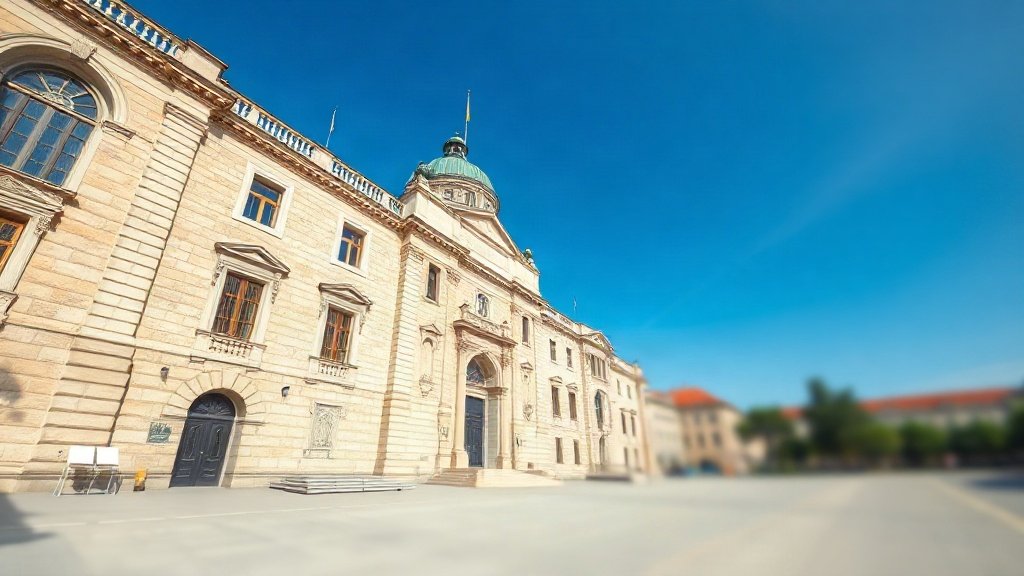
Croatian Parliament building in Zagreb

Illustration: AI-generated image

Recent election results in neighbouring countries have prompted speculation among some Croatian social media users about whether political change could be coming to Croatia too. Last week, Aleksandar Vučić suffered an electoral defeat in Serbia, following a loss for Viktor Orbán's party in Hungary earlier this year. Those outcomes led some to ask: is it time for a change in Croatia?

However, according to a new analysis by N1, the comparisons are misguided. The article argues that while Croatia has its share of political frustrations, its democratic system is fundamentally different from the situations in Hungary and Serbia. Unlike those countries, where fears existed about whether leaders would accept electoral defeat, Croatia has a stable record of peaceful transitions of power.

The piece points out that despite online enthusiasm, street protests in Croatia have remained relatively small and short-lived. It also cites the work of sociologist Josip Županov, who described an "egalitarian syndrome" in the former Yugoslavia, suggesting that Croats tend to avoid risk and prefer security, which may explain why mass movements have not taken hold.

Political observers note that Prime Minister Andrej Plenković and his HDZ party have been in power for a decade, but longevity alone does not indicate democratic backsliding. The analysis concludes that while Croatia has its flaws, it remains a functional democracy where elections are free and power changes hands without controversy. So while some may dream of a "domino effect" from Hungary and Serbia, the reality is more complex.
More stories

Dragana Lucija Ratković Aydemir
Who's Who

Who's Who in Croatia: Meet Dragana Lucija Ratković Aydemir – Art Historian & Cultural Heritage Entrepreneur

Dragana Lucija Ratković Aydemir is a Croatian art historian and entrepreneur who has pioneered ecomuseums and sustainable cultural tourism projects across the Adriatic.

Michela Magas
Who's Who

Who's Who in Croatia: Meet Michela Magas – Designer, Entrepreneur and Innovation Specialist

Michela Magas is a Croatian-British designer, entrepreneur and innovation specialist who has built a career at the intersection of creativity, technology and business.

Davorin Štetner
Who's Who

Who's Who in Croatia: Meet Davorin Štetner – Founder & CEO, GP1

Entrepreneur, investor and motorsports figure who transformed Croatia's media and racing landscape through GP1 and major infrastructure projects.

Mate Rimac
Who's Who

Who's Who in Croatia: Meet Mate Rimac – Founder and CEO, Rimac Group

Mate Rimac is the founder and CEO of Rimac Group, encompassing Bugatti Rimac and Rimac Technology. From garage-built electric BMW conversions to hypercars like the Nevera, his journey shaped Croatia's EV industry.

Financial documents and calculator on a desk
Business

How to Read a Croatian Financial Statement: A Practical Guide

Understanding a Croatian company's balance sheet and income statement is essential for investors, partners, and anyone doing due diligence. This guide explains the key documents, where to find them, and how to interpret the main figures.

Group of colleagues participating in an outdoor team building activity in Croatia.
Business

How to Organise a Corporate Team Building Event in Croatia

From choosing the right location to handling logistics, here’s everything you need to know about planning a successful team building event in Croatia.