A Guest's Guide to Croatian Weddings: Traditions and Etiquette
From the barjaktar leading the procession to the lively kolo dance, here’s what to expect when you’re invited to a wedding in Croatia.
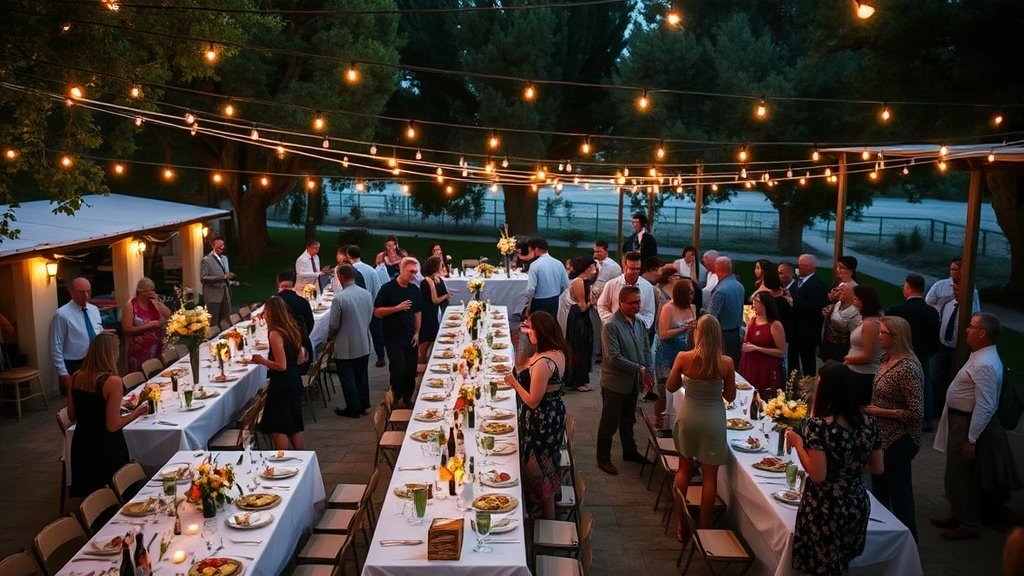
Illustration: AI-generated image
If you’re lucky enough to be invited to a wedding in Croatia, you’re in for a wonderful celebration of family, tradition and joy. Croatian weddings are famously lively, often lasting well into the early hours, and they blend heartfelt customs with plenty of food, drink and dancing. Here’s what to expect and how to be a thoughtful guest.
The Invitation
RSVP promptly, as weddings in Croatia are often large affairs with extended family and friends, and seating arrangements are planned carefully. Don’t be surprised if the guest list runs into the hundreds—it’s a sign of the importance of community and family ties.
Pre-Wedding Events
Some couples host an engagement party, and stag and hen nights (momačka and djevojačka večer) are common. In certain regions, there is a playful tradition of “buying the bride” (otkup nevjeste), where the groom must negotiate or offer a symbolic sum—often with humorous bargaining—to take the bride from her family home.
The Wedding Day
The day often begins with the groom and his party arriving at the bride’s house. A barjaktar (flag bearer) leads the procession, waving a Croatian flag or a decorated pole, accompanied by music and dancing before everyone heads to the ceremony.
The Ceremony
Many weddings are held in a church, often Roman Catholic, but civil ceremonies are equally valid and common. The service is usually conducted in Croatian unless the couple arranges otherwise. Guests are expected to be respectful and quiet during the ceremony, regardless of their own beliefs.
The Reception
After the ceremony, guests move to a restaurant or hall. There is often a receiving line where guests congratulate the couple (čestitanje). The reception features multiple courses, plenty of wine and rakija, and heartfelt speeches. The first dance is usually a waltz, and before long the kolo begins—a circle dance that everyone is encouraged to join.
Gifts and Money
It is customary to give money in an envelope, often placed in a decorated basket or handed directly to the couple. The amount is entirely up to you; many guests give enough to cover their meal plus a little extra. A small additional gift, such as a bottle of wine or a household item, is also appreciated. Avoid sharp objects, as they are considered bad luck in some traditions.
Dress Code
Dress smartly: men typically wear suits, women wear elegant dresses. Avoid white, as that colour is reserved for the bride. In summer, light fabrics are best. If the ceremony is in a church, shoulders and knees should be covered out of respect.
Dancing and Customs
Be prepared to dance—even if you don’t know the steps, someone will happily teach you. There may be regional customs such as the “apple dance,” where an apple studded with coins is placed on the bride’s head, or guests pinning money to the couple’s clothes during a dance. These traditions vary, but they all celebrate good fortune and community.
Being invited to a Croatian wedding is a genuine sign of friendship and trust. Embrace the customs, savour the food, and you’ll have an unforgettable experience.