A Guide to Croatia's Painted Beehive Panels: A Folk Art Treasure
Discover the vibrant tradition of oslikane košnice, Croatia's painted beehive front boards, and where to admire this unique folk art today.
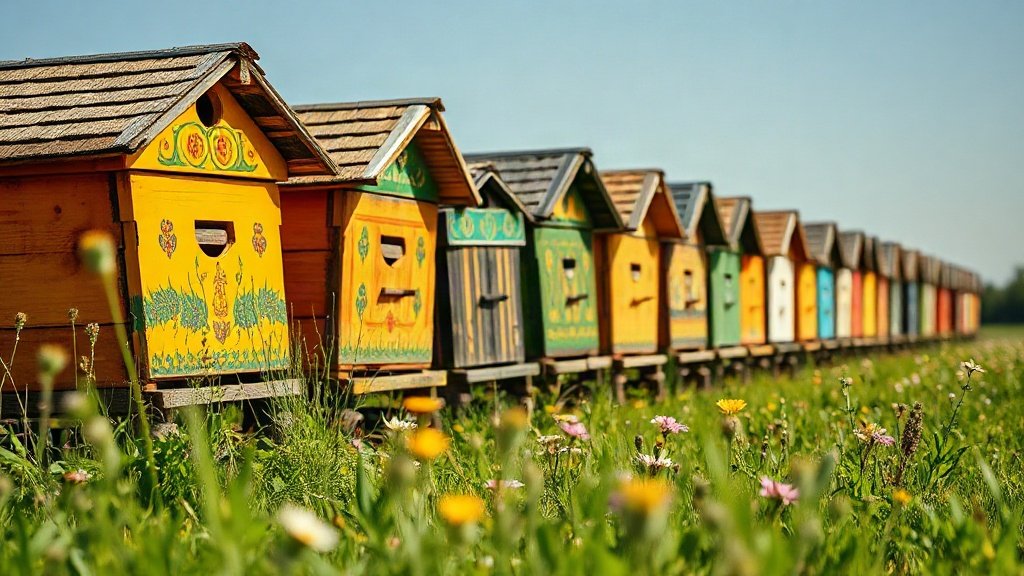
Illustration: AI-generated image
Across rural Croatia, wooden beehives were once transformed into miniature galleries. Known as oslikane košnice (painted beehive panels), these decorated front boards blended practicality with artistry, turning apiaries into open-air exhibitions of folk creativity. Although modern beekeeping has largely replaced the traditional hives, the painted panels survive as a cherished symbol of Croatia's rural heritage.
Origins and Purpose
The custom emerged in the 18th century, particularly in the northern regions of Hrvatsko Zagorje, Međimurje, and Slavonia. Beekeepers painted the removable front boards of their hives, known as končnice, to protect the wood from weather and to help identify individual colonies. Over time, decoration became an expression of personal devotion and local identity. Many panels bore religious imagery, believed to safeguard the bees and ensure a good honey harvest.
Motifs and Regional Styles
Painted beehive panels display a remarkable range of subjects. The most common themes include saints, especially St. Ambrose, the patron saint of beekeepers, as well as scenes from the Bible, depictions of everyday village life, and humorous anecdotes. Floral and geometric patterns are also widespread. Stylistically, the paintings are characterised by bold outlines, flat colours, and a charming naivety. While each region developed its own preferences, the overall approach remained consistent, reflecting the shared cultural landscape of the Croatian countryside.
A Living Heritage
Today, original painted panels are prized by collectors and museums. The Ethnographic Museum in Zagreb holds a significant collection, and many regional ethnographic museums across the country display examples. The tradition has also inspired contemporary folk artists who continue to paint new panels, ensuring that this distinctive art form endures. Visitors can often find reproductions in craft markets and souvenir shops, offering a tangible connection to Croatia's beekeeping past.
Where to See Them
To appreciate the full scope of this tradition, a visit to an ethnographic museum is ideal. In addition to the capital's collection, open-air museums such as Etno selo Kumrovec in Hrvatsko Zagorje occasionally feature traditional beehives with painted panels. Local heritage festivals in beekeeping regions may also showcase original examples. Even if you cannot travel to Croatia, many museum collections are partially accessible online, allowing you to admire these colourful works of art from afar.
Whether you are a folk art enthusiast, a beekeeping aficionado, or simply curious about Croatia's cultural treasures, the painted beehive panels offer a fascinating glimpse into a world where art and agriculture met in perfect harmony.