A Guide to Giving Flowers in Croatia: Customs and Symbolism
Flowers are a heartfelt gesture in Croatia, but knowing which blooms to choose and when to give them can help you avoid an awkward moment. Here’s what to know.
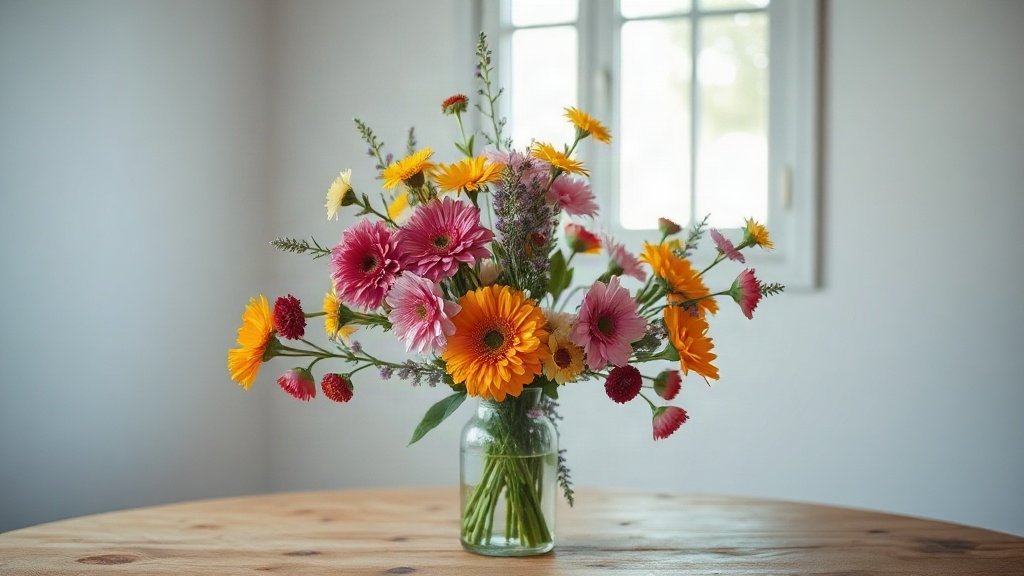
Illustration: AI-generated image
In Croatia, flowers are a common and meaningful gift for many occasions, from birthdays and name days to visits and condolences. Understanding the local customs can help you express the right sentiment.
When to give flowers
Flowers are appropriate for a wide range of events. They are typically given to hosts when invited to someone's home, on birthdays and name days, to new mothers, for anniversaries, and as a gesture of thanks or congratulations.
In particular, name days (imendani) are celebrated as much as birthdays, and flowers are a popular choice. When visiting someone in hospital, it's common to bring flowers, though some wards may have restrictions.
Which flowers to choose
The type of flower can carry meaning. Roses are associated with love, so red roses are typically reserved for romantic partners. Yellow roses can signify friendship or jealousy, depending on the context, so it's safer to choose other colours for formal occasions.
Carnations are widely used and generally well-received for a variety of occasions. Lilies are often associated with funerals and sympathy, so it's best to avoid them for celebrating happy events. Chrysanthemums are strongly linked to mourning and All Saints' Day, so they should never be given as a cheerful gift.
For a general gift, mixed bouquets of seasonal flowers are a safe and appreciated choice.
Colours and numbers
In Croatia, an even number of flowers is traditionally given for funerals, while an odd number is for happy occasions. This custom is important to remember: always give an odd number of stems, except perhaps a single flower, which is fine for a romantic gesture.
Regarding colours, red expresses love and passion, white symbolises purity and is often used at weddings or christenings, and yellow may be seen as a sign of jealousy or betrayal, though this is less strictly followed today. When in doubt, choose colourful mixed bouquets.
How to present flowers
Flowers should be given unwrapped or in simple paper, not plastic. When visiting a home, it is polite to hand the bouquet to the host upon arrival, perhaps with a short greeting. If you are a man giving flowers to a woman, the bouquet is traditionally handed over with a slight bow or nod, but this is not strictly necessary in modern times.
Practical tips
- Buy flowers from a local florist or market; they are often fresher and more affordable.
- Remove any price tags before giving.
- If attending a funeral, lilies, chrysanthemums or white flowers are appropriate; avoid bright, festive arrangements.
- For a new baby, pink flowers for a girl and blue for a boy are common, though many modern parents prefer neutral colours.
Understanding these simple customs can make your floral gifts more thoughtful and appreciated.