A Guide to Konavle Embroidery: Croatia's Delicate Silk Tradition
Discover the intricate needlework of the Konavle region near Dubrovnik, where silk threads have been shaped into geometric patterns for centuries.
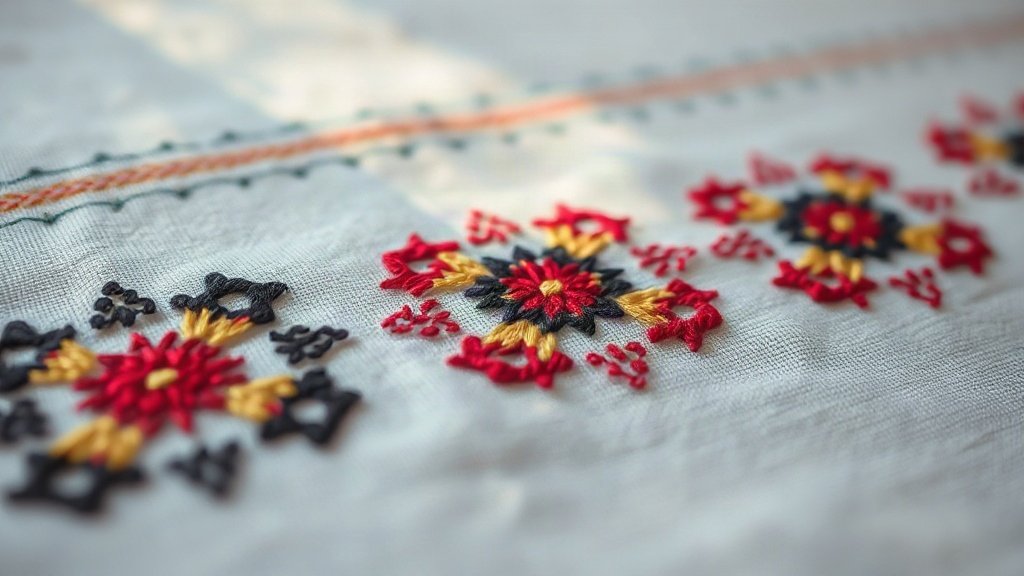
Illustration: AI-generated image
In the sun-soaked countryside south of Dubrovnik, a delicate art has been passed down through generations of women for centuries. Konavle embroidery is one of Croatia's most distinctive textile traditions, instantly recognisable by its precise geometric patterns and lustrous silk threads. Unlike many European embroidery styles that favour floral or figurative motifs, this craft from the Konavle region is rooted in abstract forms and a proud local identity.
What is Konavle embroidery?
Konavle embroidery is a style of silk-on-linen needlework that originated in the Konavle valley, a fertile strip of land between the Adriatic coast and the mountains bordering Montenegro and Bosnia and Herzegovina. Traditionally, it decorated parts of the local folk costume, particularly the edges of shirts, headscarves, and aprons worn by women. Today, it also appears on decorative household items such as tablecloths, cushions, and wall hangings, keeping the craft alive for modern use.
A craft with deep roots
The exact origins are hard to trace, but the technique likely developed in the late 19th century, influenced by earlier embroidery traditions from the wider Mediterranean and Ottoman worlds. What makes Konavle embroidery special is its continuity: young girls learned the skill from older female relatives, and the patterns were handed down without written patterns. Each piece reflected the maker's skill and creativity within a shared visual language. In 2009, Konavle embroidery was granted protected status as part of Croatia's intangible cultural heritage, helping to safeguard it for future generations.
Motifs and colours
The embroidery is celebrated for its geometric precision. Common motifs include diamonds, triangles, squares, and stylised flowers arranged in rows or borders. The designs often appear symmetrical and rhythmic, following the weave of the linen fabric. Silk thread is used for the stitching, giving the finished work a subtle sheen that catches the light. Traditional colours are limited and meaningful: deep red or crimson dominates, often combined with black, dark green, and occasionally gold or yellow. The threads were originally dyed with natural materials, though modern makers sometimes use synthetic dyes that mimic the old shades.
How it is made
Creating a piece of Konavle embroidery is a slow, meticulous process. The linen base fabric is usually white or natural beige, and the pattern is mapped out by counting threads rather than drawing on the fabric. The embroiderer uses a variety of stitches, but the most characteristic is the counted-thread technique, which allows for the crisp edges and perfect repeat of the geometric shapes. Because the work is done entirely by hand, even a small decorative item can take many hours to complete. This labour-intensive quality is part of its value and charm.
Where to see it today
Visitors to the Dubrovnik area can find Konavle embroidery in several cultural settings. The Konavle County Museum in Čilipi, housed in a restored 19th-century building, has a permanent collection of traditional costumes and embroidery. The village of Čilipi is also known for its Sunday folk programme, where women in traditional dress demonstrate embroidery and other crafts. Authentic pieces are sometimes available from local artisans or at cultural events, though buyers should look for the fine, even stitching and silk thread that distinguish true handmade work from imitations.
A living tradition
While it is no longer part of everyday dress, Konavle embroidery has found a new life as a symbol of regional pride. Contemporary designers sometimes incorporate the motifs into modern fashion and home décor, bridging past and present. For anyone interested in Croatian culture, understanding this embroidery offers a window into the patience, creativity, and community bonds of rural Dalmatia that might otherwise go unnoticed.