A Guide to Peka: Croatia's Slow-Cooked Tradition Under the Bell
Discover the ancient Croatian cooking method that transforms simple ingredients into a tender, smoky feast. Learn how peka works, what goes into it, and why it remains a beloved centrepiece of family gatherings.
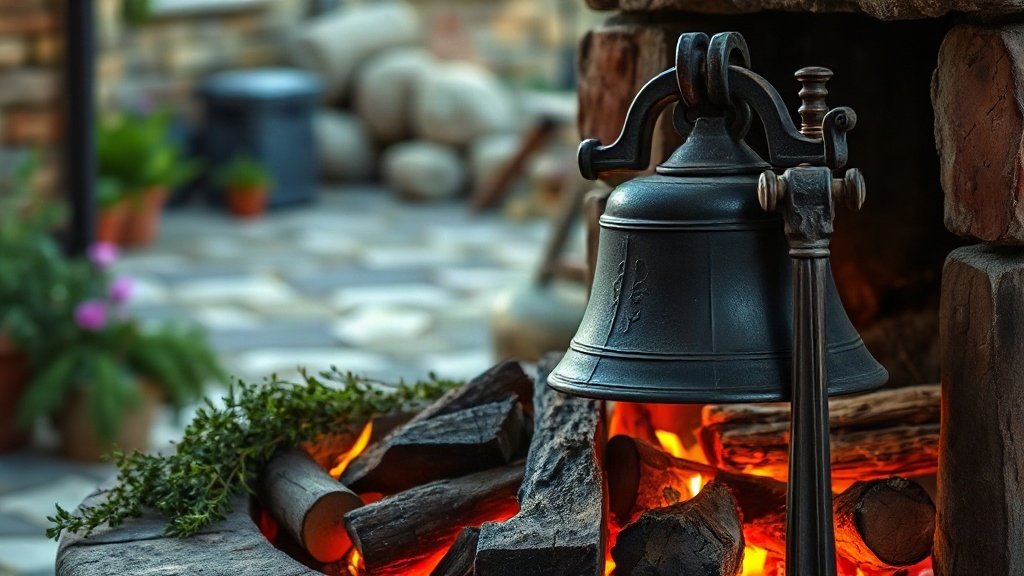
Illustration: AI-generated image
Across Croatia, especially along the coast and islands, the word peka evokes images of fire, patience, and communal feasting. It is not just a dish but a cooking method that has been passed down through generations, turning humble ingredients into something extraordinary. If you have ever been invited to a Croatian home for a long, lazy Sunday lunch, chances are the centrepiece was cooked under a peka.
What is Peka?
Peka refers to a bell-shaped lid, traditionally made of cast iron or clay, that is placed over food in a shallow dish. The bell is then completely covered with hot embers and ashes from a wood fire, creating an oven-like environment. The food inside cooks slowly, often for several hours, in its own juices, absorbing a gentle smokiness.
The method is not unique to Croatia — similar techniques exist across the Mediterranean — but in Croatia, peka is deeply woven into the cultural fabric. It is most commonly associated with Dalmatia, Istria, and the islands, where outdoor fireplaces and family recipes are treasured.
What Goes Under the Bell?
The classic peka combines meat and vegetables. Lamb, veal, or octopus are popular choices, seasoned simply with salt, pepper, herbs like rosemary and bay leaf, and a generous glug of olive oil. Potatoes, onions, carrots, and sometimes tomatoes are layered around the meat. Some versions use chicken or even fish, but the principle remains the same: slow cooking until everything is meltingly tender.
In Istria, peka might feature boar or sausages, reflecting the inland influence. On the islands, octopus peka is a celebration of the sea. The choice of ingredients depends on what is local and seasonal, making each peka a reflection of its place.
The Ritual of Cooking
Making peka is an event, not a quick meal. A wood fire is lit well in advance to produce a bed of hot coals. The food is arranged in a round metal or ceramic tray, the bell is placed over it, and the coals are heaped on top. The cook must know exactly when to lift the bell to check progress, often adding a splash of wine or water to keep things moist. Timing is everything — too short and the meat is tough; too long and it falls apart too much. This skill is often passed down informally, from parent to child, and is a source of friendly rivalry among neighbours.
Because it requires time and fire management, peka is reserved for special occasions — Sundays, holidays, and gatherings of friends. It is not restaurant fast food; it is home cooking at its most deliberate.
Where to Experience Peka
Many rural households and konobas (taverns) across Dalmatia and Istria offer peka on their menus, but be aware that it often needs to be ordered in advance. For travellers, the best way to enjoy peka is through a local host or agritourism experience, where the method is demonstrated in its authentic setting. Some villages still hold communal peka feasts during festivals, a tradition that keeps the communal aspect alive.
If you cannot travel to Croatia, replicating peka at home is possible with a sturdy cast-iron Dutch oven or a covered baking dish placed in a hot oven, though purists will insist the wood fire is essential. The essence of peka, however, is not just the equipment but the time and care put into it.
Why Peka Matters
Beyond the delicious result, peka represents a philosophy of cooking that values patience and togetherness. It is a reminder of a slower pace of life, where meals are shared and stories are told while the fire crackles. As modern life rushes on, peka remains a delicious anchor to Croatia’s rural heritage.