A Guide to Pula: Roman Ruins, Beaches and Istrian Flavours
From one of the world's best-preserved Roman amphitheatres to hidden coves and a thriving food scene, Pula is Istria's largest city and a rewarding base for exploring the peninsula's south.
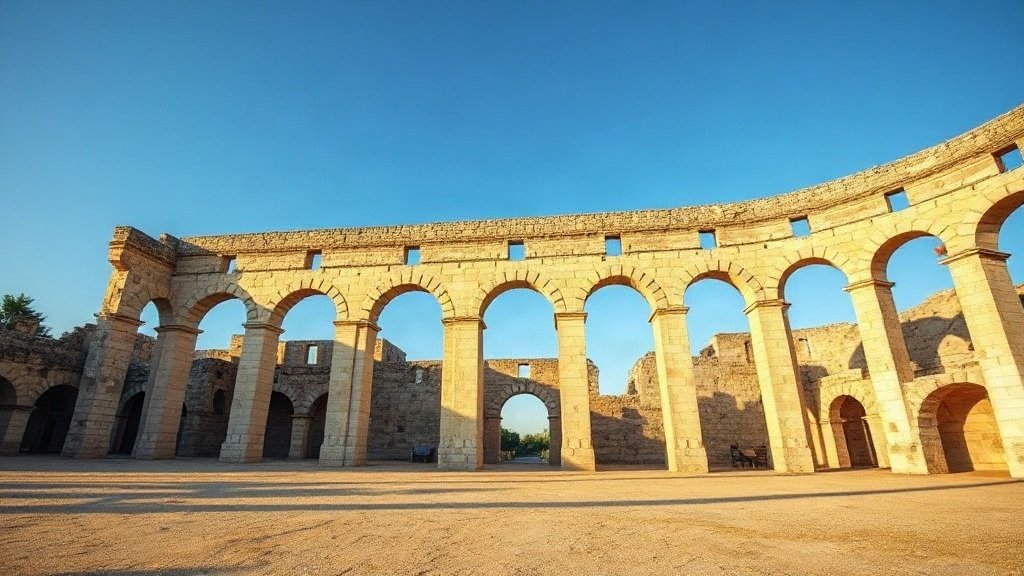
Illustration: AI-generated image
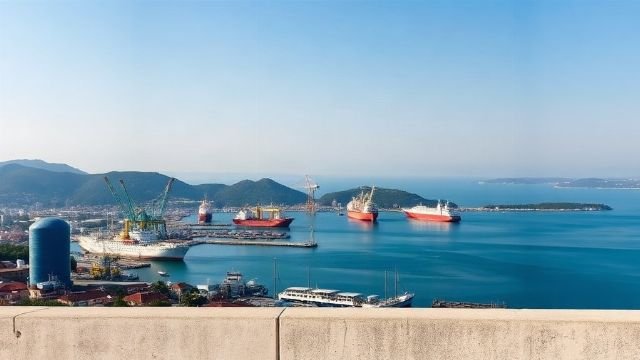
Pula often gets skipped by travellers rushing to Rovinj or the islands, but this working port city at the southern tip of Istria rewards those who linger. Its star attraction is a remarkably intact Roman amphitheatre, yet the city also offers a lively café culture, excellent seafood, and easy access to some of the peninsula's best beaches.
Roman Pula
The Pula Arena is the sixth-largest surviving Roman amphitheatre and the only one with four side towers and all three architectural orders intact. Built in the 1st century AD, it once held up to 23,000 spectators for gladiatorial contests. Today it hosts concerts and the annual Pula Film Festival, and visitors can explore the underground passages that once held wild animals.
A short walk away stands the Temple of Augustus, dedicated to the first Roman emperor. Built between 2 BC and AD 14, it survived centuries of use as a church and granary before being restored after heavy damage in the Second World War. The nearby Triumphal Arch of the Sergii, dating from around 30 BC, marks the entrance to the old town and is one of the finest examples of Roman monumental architecture in Croatia.
Beyond the Ruins
Pula's old town is compact and easy to explore on foot. The central Forum remains the heart of the city, surrounded by pavement cafés and the 13th-century town hall. The covered market, housed in a 19th-century iron-and-glass structure, is a great place to sample local cheeses, cured meats, honey and seasonal fruit. For panoramic views, climb to the Venetian fortress on the hill above town, which offers a different perspective of the rooftops and the sea beyond.
The Archaeological Museum of Istria, one of the oldest in Croatia, holds finds from prehistoric to medieval times, including a notable collection of Roman sculpture and mosaics. Nearby, the small Franciscan monastery houses a 13th-century church and a peaceful cloister.
Beaches and Swimming
Pula's coastline is rocky but dotted with pine-shaded coves. The Verudela peninsula, about 4 km south of the centre, has several pebble and concrete-platform beaches, clear turquoise water and family-friendly facilities. The Stoja area west of town offers quieter spots and cliff jumping for the adventurous. Further afield, the Kamenjak Nature Park at the peninsula's southernmost tip is a rugged landscape of wildflowers, hidden inlets and a famous cave beach – best reached by bike or car.
The Brijuni Islands National Park, a short ferry ride from nearby Fažana, make an easy day trip. Once the private retreat of Yugoslav president Tito, the islands now welcome visitors to their pine forests, Roman ruins and a safari park with exotic animals gifted to Tito by world leaders.
Food and Drink
Istria is renowned for its truffles, olive oil and wine. Around Pula, family-run konobas serve dishes such as fuži with truffles, grilled fish, and boškarin – the native Istrian cattle breed, often featured in stews or steaks. The region's white truffles are among the most prized in Europe and feature heavily on autumn menus. Istrian olive oils regularly win international awards; many producers offer tastings and farm visits.
Local wines include Malvazija Istarska, a crisp white that pairs perfectly with seafood, and Teran, a robust red. For a quick bite, look for pršut (dry-cured ham) and sheep's cheese from nearby islands, or try a slice of pinca, a sweet bread traditionally baked at Easter but available year-round in bakeries.
Getting Around
Pula is small enough to explore on foot, but buses run regularly to beaches and surrounding areas. The city is a good base for day trips across southern Istria: the hilltop towns of Motovun and Grožnjan are about an hour's drive, as is the coastal resort of Rovinj. Pula's airport has direct seasonal flights from many European cities, and the city is connected by bus to Zagreb, Rijeka and Slovenian ports.