A Guide to Susak: Croatia's Sandy Island Escape
Discover Susak, a tiny island in the Kvarner Gulf known for its sandy beaches, colourful traditional dress and car-free lanes.
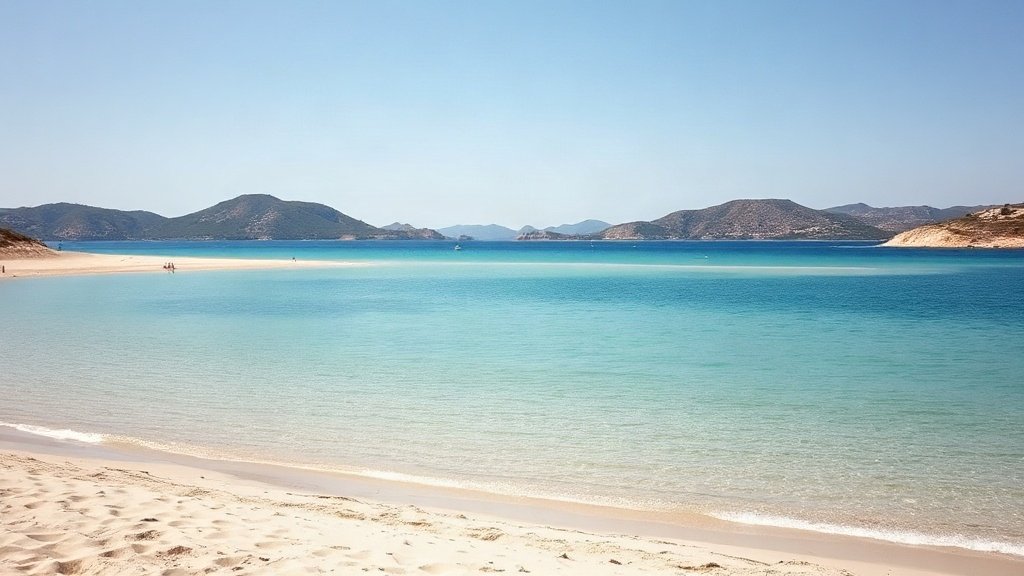
Illustration: AI-generated image
Susak is a small island in Croatia's Kvarner Gulf, just off the coast of Lošinj. Unlike most Croatian islands, which are rocky and pebbly, Susak is made of sand and limestone, giving it a landscape that feels almost Mediterranean-North African. With no cars, a handful of sandy beaches and a distinctive local culture, it offers a peaceful escape from the busier Adriatic hotspots.
Getting to Susak
The only way to reach Susak is by sea. The main connection is a passenger ferry from Mali Lošinj, which takes about 45 minutes. There are also seasonal connections from Rijeka and other nearby islands. The ferry docks in the lower village, Donje Selo, and from there you can walk to everything. Because the island is car-free, you'll need to carry your luggage on foot, so pack light.
What Makes Susak Special
Susak is known for its sandy beaches, which are rare in Croatia. The most famous is Spiaza, a wide, shallow bay on the southern side of the island. The sand here is fine and golden, and the water stays shallow for a long way out, making it ideal for families and less confident swimmers. There are a few smaller coves if you want more seclusion.
The island has a unique cultural heritage. The local dialect is considered one of the most distinct in Croatia, influenced by the island's history of emigration to the United States in the late 19th and early 20th centuries. Many Susak families have relatives across the Atlantic, and this connection is still felt today. Traditional dress on Susak is also unusual: women wear short, colourful skirts and bright stockings, a style not seen elsewhere in Croatia. You might spot these costumes during local festivals or in the small ethnographic collection on the island.
Things to Do
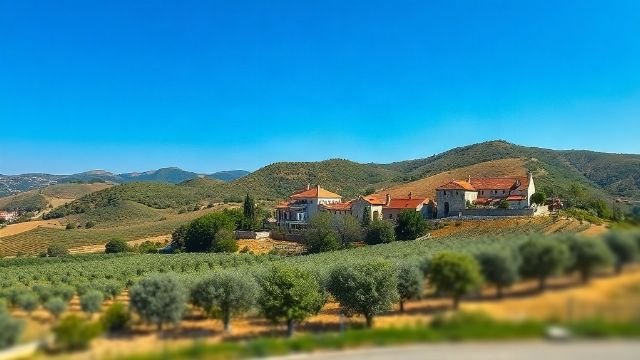
Susak is perfect for slow exploration. The island is only about 3 square kilometres, so you can walk everywhere. The two main settlements are Donje Selo (lower village), near the harbour, and Gornje Selo (upper village), set on a hill with views over the surrounding sea and the distant island of Lošinj. A stroll between them takes you past terraced vineyards, reed beds and small stone houses.
For panoramic views, head to the island's highest point, where you'll find the small Church of St. Nicholas. The climb is gentle and the effort is rewarded with a sweeping vista of the Kvarner islands. There are no traffic jams or crowds, just the sound of cicadas and the sea.
Food and Drink
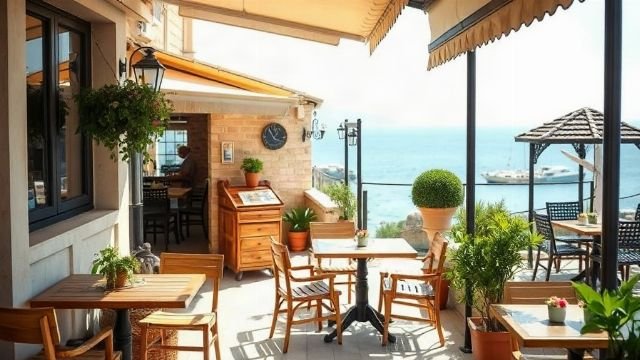
Susak has a few simple konobas (taverns) where you can enjoy fresh seafood, grilled meats and local wine. The island has its own grape variety, and the sandy soil gives the wine a distinctive character. Olive oil is also produced here. Because everything is brought by boat, menus can be limited, but the quality is good and the setting is relaxed. It's a good idea to carry some cash, as card payment is not always available.
Practical Tips
- No cars: The island is pedestrian-only, so wear comfortable shoes for walking on sandy paths and uneven stone streets.
- Sun protection: The beaches are open and sandy, with little natural shade, so bring a hat, sunscreen and plenty of water.
- Cash: There is no bank or ATM on Susak, so bring enough kuna (or euros if Croatia has adopted the euro by the time you visit) for your stay.
- Accommodation: Most visitors stay in private apartments or rooms; book ahead in summer as options are limited.
Susak may not have the glamour of Hvar or the history of Korčula, but for those seeking a quiet, sandy retreat with a strong sense of place, it is a hidden gem worth the ferry ride.