A Guide to the Diple: Croatia's Traditional Double-Reed Instrument
Discover the diple, a traditional double-reed woodwind instrument from Dalmatia, its history, and its role in Croatian folk music.
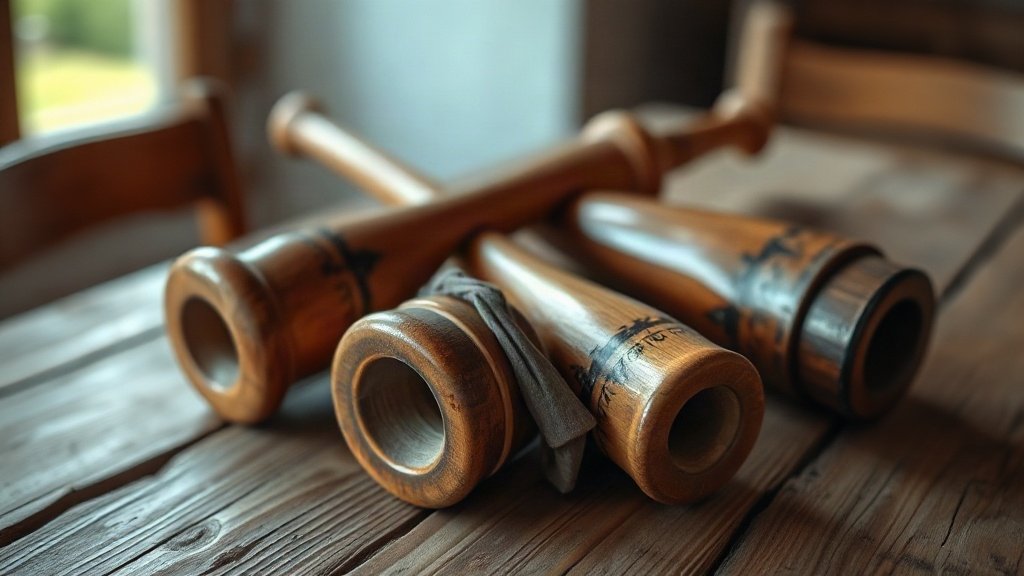
Illustration: AI-generated image
The diple are a traditional double-reed woodwind instrument from the Dalmatian region of Croatia. Known for their piercing, vibrant sound, they have accompanied local dances, weddings and celebrations for centuries. While less famous internationally than the tamburica or the klapa, the diple remain a treasured part of Dalmatia’s living folk heritage.
What are the diple?
The diple (pronounced DEE-pleh) are typically played in pairs: one pipe carries the melody while the other provides a continuous drone. The instrument consists of a wooden body with a conical bore, a double reed made from cane, and often a bell made from animal horn or metal. The player blows into both pipes simultaneously, using circular breathing to maintain the drone without pause. This technique creates a rich, sustained sound that is both haunting and energetic.
Where do they come from?
The diple have deep roots in the rural areas of Dalmatia, particularly in the Dalmatian hinterland and the Dubrovnik region. Similar instruments are found across the Balkans and the Mediterranean, from the Greek zournas to the Turkish zurna. In Croatia, the diple are especially associated with the linđo, a lively circle dance from the Dubrovnik area, and with traditional wedding processions. Historically, the instrument was played by shepherds and farmers, and its music was an integral part of village life.
How are they made?
Traditionally, the diple were hand-carved by local craftsmen from hardwoods such as maple, walnut or olive. The double reed is made from a single piece of cane flattened and folded, and the bell is often fashioned from a cow or ram horn, which amplifies the sound. Each instrument is unique, with subtle variations in tuning and tone. The craft of making diple is passed down through generations, and today only a handful of skilled artisans continue the tradition.
The sound of Dalmatia
The diple produce a strong, nasal tone that carries across open squares and rocky hillsides. The music is modal and often pentatonic, creating a sound that feels ancient and deeply connected to the landscape. For many Dalmatians, the sound of the diple immediately evokes memories of village feasts, harvest celebrations and family gatherings. The instrument’s powerful voice can cut through the noise of a bustling crowd or resonate across a quiet valley.
Where to experience the diple today
While the diple are not as ubiquitous as they once were, they are still played by folk ensembles and at cultural events throughout Dalmatia. Visitors might encounter them at local festivals, folk dance performances, or even impromptu gatherings in rural villages. The tradition is kept alive by a small number of dedicated musicians and instrument makers, and it has been recognised as part of Croatia’s intangible cultural heritage.
For anyone interested in the deeper layers of Croatian folk culture, seeking out the diple is a rewarding journey into the sound of Dalmatia’s past.