A Practical Guide to Driving in Croatia: Rules, Tolls and Scenic Routes
Everything you need to know about driving in Croatia, from speed limits and winter equipment to tolls and the most beautiful coastal roads.
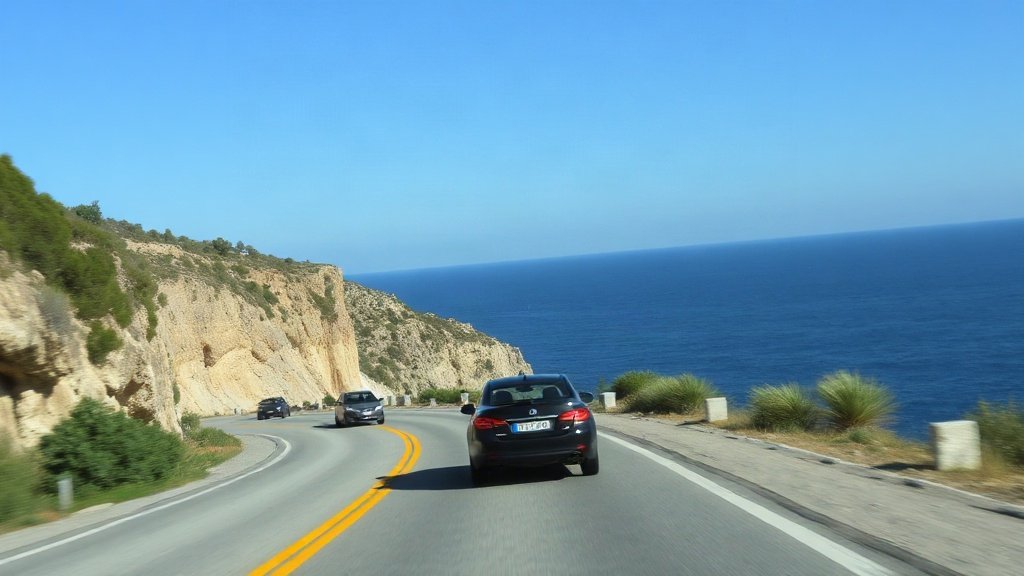
Illustration: AI-generated image
Driving in Croatia is one of the best ways to explore the country's diverse landscapes at your own pace, from the Adriatic coast to the green interior. But before you hit the road, it pays to understand the local rules, tolls and driving culture to avoid fines and enjoy the journey.
Licence and documents
If you hold a driving licence issued by an EU or EEA country, you can drive in Croatia without any additional paperwork. Visitors from other countries should carry an International Driving Permit (IDP) along with their national licence. Always have your vehicle registration and insurance documents with you; rental companies provide these in the glove box. Croatia is a member of the EU, so a Green Card is not required for vehicles registered in the EU, but check with your insurer for non-EU coverage.
Speed limits and traffic rules
Speed limits are clearly signposted and enforced with cameras. In built-up areas, the limit is 50 km/h (sometimes 40 km/h near schools or residential zones). On open roads, the limit is 90 km/h, and on motorways, 130 km/h. Seatbelts are mandatory for all occupants, and children under 150 cm must use an appropriate child restraint.
The legal blood alcohol limit is 0.05% for most drivers, but it drops to 0.0% for drivers under 24, professional drivers, and anyone who has held a licence for less than two years. Using a mobile phone while driving is prohibited unless you have a hands-free system. Dipped headlights are mandatory during winter months (from the first Sunday in November to the last Sunday in March), even in daylight, and at all times during rain, snow or fog.
From 15 November to 15 April, winter tyres are required on roads where snow or ice is present, and snow chains must be carried in certain mountainous areas indicated by signs. Trams and emergency vehicles always have right of way, and you must not overtake a tram that is stopped at a pedestrian crossing.
Motorways and tolls
Croatia has a modern motorway network, including the A1 from Zagreb to Split and Dubrovnik, the A3 towards Slovenia and Serbia, and the A6 towards Rijeka. Tolls are distance-based: you collect a ticket when entering the motorway and pay when you exit. Payment can be made in cash (euros) or by card at toll plazas. Keep your ticket safe, as losing it means you'll be charged from the furthest entry point. Some tunnels and bridges, such as the Učka Tunnel and the Krk Bridge, have separate tolls.
Parking
In cities and larger towns, parking is divided into zones marked by blue lines or signs. You must pay at a parking kiosk, via SMS, or using a mobile app, then display the ticket on your dashboard. Yellow lines indicate no parking, and white lines are usually free but often time-limited. Illegally parked vehicles may be clamped or towed, and fines are issued on the spot.
Fuel and service stations
Fuel stations are frequent along main roads and motorways, and many are open 24 hours. Euro 95 and diesel are standard, and LPG is available at many stations. Most accept credit and debit cards. On islands and in remote areas, stations may close early, so plan accordingly.
Scenic routes to enjoy
- Adriatic Highway (D8): The classic coastal road from Rijeka to Dubrovnik offers breathtaking views of the sea and islands, with countless places to stop.
- Istrian interior: Winding roads through hilltop towns like Motovun and Grožnjan, surrounded by vineyards and truffle forests.
- Pelješac peninsula: A scenic drive past vineyards and oyster farms, with views of the Pelješac Bridge.
- From Plitvice Lakes to Zadar: A route through karst landscapes and mountain passes, perfect for nature lovers.
Border crossings
Croatia joined the Schengen Area in 2023, so there are no border checks when driving from Slovenia, Hungary, or Italy (via ferry). However, crossing into non-Schengen neighbours like Bosnia and Herzegovina, Serbia, or Montenegro may involve waiting, especially in summer. Always carry your passport or ID card.
Driving in Croatia is generally safe and enjoyable, but rules can change, so check the latest regulations before your trip. With a little preparation, you'll be ready to explore everything this beautiful country has to offer on four wheels.