A Slow Guide to Brač: Croatia's Island of Stone and the Golden Horn
Brač offers a mix of striking landscapes, historic stone villages and the iconic Zlatni Rat beach. Here's what to know before you go.
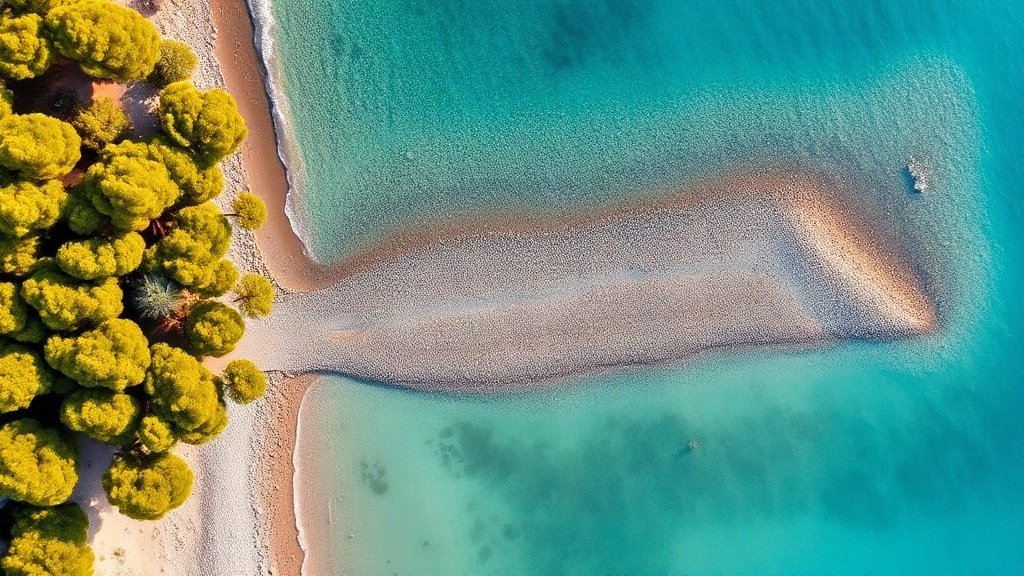
Illustration: AI-generated image
Brač is one of the largest islands in the Adriatic, yet it often gets overlooked by travellers rushing to Hvar or Korčula. That is part of its charm. With radiant white limestone, pine-scented hills and a shifting pebble beach, Brač rewards those who slow down and explore.
Getting to Brač
The island is well connected to the mainland. Car ferries run regularly from Split to Supetar, the island's main port, with a crossing time of about 50 minutes. During the summer, foot-passenger catamarans also link Split to Bol on the island's south coast. Once on Brač, local buses connect the main towns, but renting a car or scooter gives you the freedom to reach remote coves and hilltop villages.
The Iconic Zlatni Rat
No visit to Brač is complete without seeing Zlatni Rat, often called the Golden Horn. This tongue of smooth pebbles juts out into the sea near Bol, and its shape shifts with the wind and currents. Surrounded by pine trees and crystal-clear water, it is a magnet for swimmers and sunbathers. The western side is also known for reliable afternoon winds, making it a popular spot for windsurfing.
Vidova Gora and Island Landscapes
For a different perspective, head up to Vidova Gora, the highest peak of all Adriatic islands at 778 metres. From the top, you can see the entire curve of Zlatni Rat, the neighbouring island of Hvar, and on clear days, the mountains of the mainland. The hike through pine forest takes about two hours from Bol, or you can drive most of the way.
Stone Villages and Stonemasonry
Brač has been famous for its white limestone for centuries. The stone was used in Diocletian's Palace in Split and in many historic buildings across the region. The village of Pučišća is particularly known for its stonemasonry tradition and is home to a renowned stonemasonry school. Wandering its narrow lanes, you will see elegant stone houses and workshops where the craft is still practised.
Local Flavours
Brač produces excellent olive oil, often with a peppery finish, and its lamb is considered among the best in Dalmatia, traditionally roasted under a peka. Local wines, especially those made from the Plavac Mali grape, pair perfectly with sheep's cheese and sun-ripened vegetables. Look for family-run konobas in the interior villages for an authentic taste of island life.
Whether you come for the beach, the views or the stone-carved heritage, Brač offers a slower, more grounded slice of Croatian island living.