Staying in Croatia's Historic Lighthouses: A Unique Adriatic Escape
For a truly memorable holiday, swap the hotel for a stone lighthouse on a remote Croatian islet. Here is what to expect and how to plan your stay.
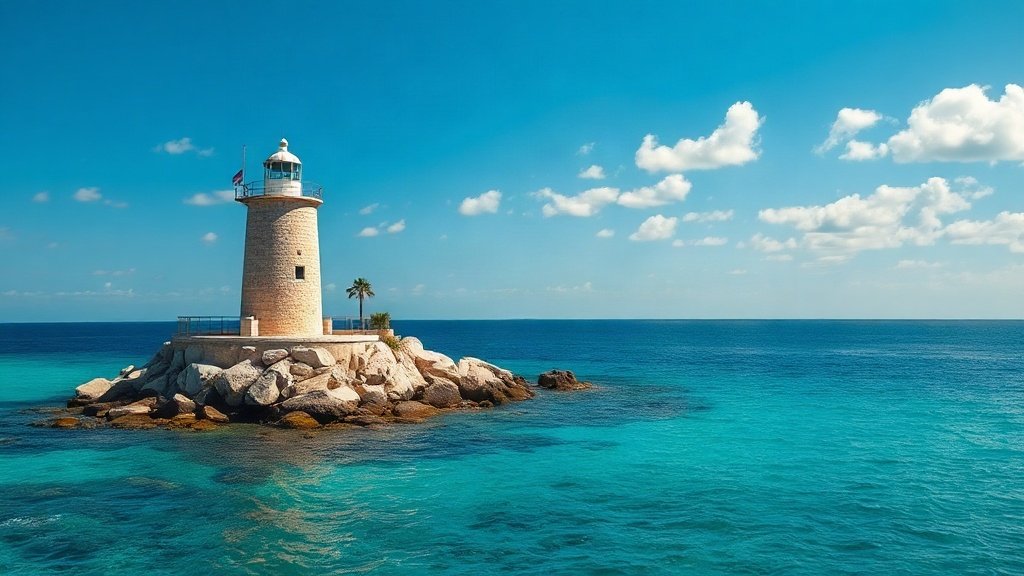
Illustration: AI-generated image
For travellers seeking something beyond the usual hotel or apartment, Croatia offers a singular experience: spending the night in a working lighthouse. Scattered along the Adriatic coast, many of these solid stone towers have been converted into simple but atmospheric holiday accommodation, often on remote islands or rocky promontories far from the crowds.
Staying in a lighthouse is not about luxury. It is about solitude, the sound of the sea, and waking to an endless horizon. Most lighthouses have just a few rooms, basic kitchens, and no Wi-Fi or television. Electricity may come from solar panels, and water must be used sparingly. But the trade-off is priceless: a private slice of the Croatian coast that few tourists ever see.
What to expect
The lighthouses open to visitors are managed by the state-owned company in charge of maritime signalling. They are not hotels; they are functional buildings with furnished apartments inside. Expect simple beds, a small kitchen with a stove and refrigerator, and a bathroom with a shower. Some have terraces where you can sit and watch the boats pass. Bed linen and towels are usually provided, but you should bring your own food, as there are no shops nearby.
Access varies. Some lighthouses are on the mainland or connected by a short walk, but many are on small islands and require a boat transfer. The lighthouse keeper or a representative often meets you at the nearest port and takes you over. In some cases, you might be the only guests on the island, so you must be comfortable with self-sufficiency.
Which lighthouse to choose
Croatia has over forty lighthouses, but only a handful are available for overnight stays. The most famous is Savudrija, the oldest lighthouse in Croatia, built in 1818 near the Slovenian border. Its red-and-white tower overlooks a pebble beach, making it one of the more accessible options.
For a truly remote experience, consider Porer, a tiny islet off the southern tip of Istria. Its lighthouse rises directly from the rocks, and the only company is the gulls. Further south, Veli Rat on Dugi Otok boasts the tallest lighthouse in the Adriatic, surrounded by pine forest and clear water. And for the adventurous, Palagruža sits in the middle of the sea between Croatia and Italy, a five-hour boat ride from Split—an unforgettable off-grid escape.
How to book
Reservations are made through the state-owned company's website or by email. Because there are so few units, summer weeks book up months in advance, especially July and August. The season typically runs from April to October, though some lighthouses may stay open longer. Prices vary by location and season, but they are comparable to a mid-range apartment, and you are paying for the uniqueness.
When booking, be clear about boat transfer arrangements. The company can often recommend a local skipper, or you may need to arrange your own transport from the nearest harbour. If you have mobility issues, choose a mainland lighthouse, as island landings can be tricky.
What to bring
- All food and drinking water for your stay
- Warm clothing, even in summer, as nights can be cool on exposed rocks
- Sun protection, a hat, and sturdy shoes for walking on uneven terrain
- A good book, playing cards, or other offline entertainment
- A flashlight or headlamp for evenings
- Snorkelling gear if you like to swim
Remember that you are staying in a working lighthouse; the light operates automatically, but you should respect any technical areas. You are also a temporary steward of a historic building, so leave it as you found it.
For travellers who love the sea, value silence, and do not mind simplicity, a few nights in a Croatian lighthouse is an experience that will stay with you long after you return home.