A Slow Guide to Korčula: Medieval Streets, Vineyards and Quiet Coves
Korčula offers a perfect blend of history, wine and seaside relaxation, often with fewer crowds than its famous neighbours.
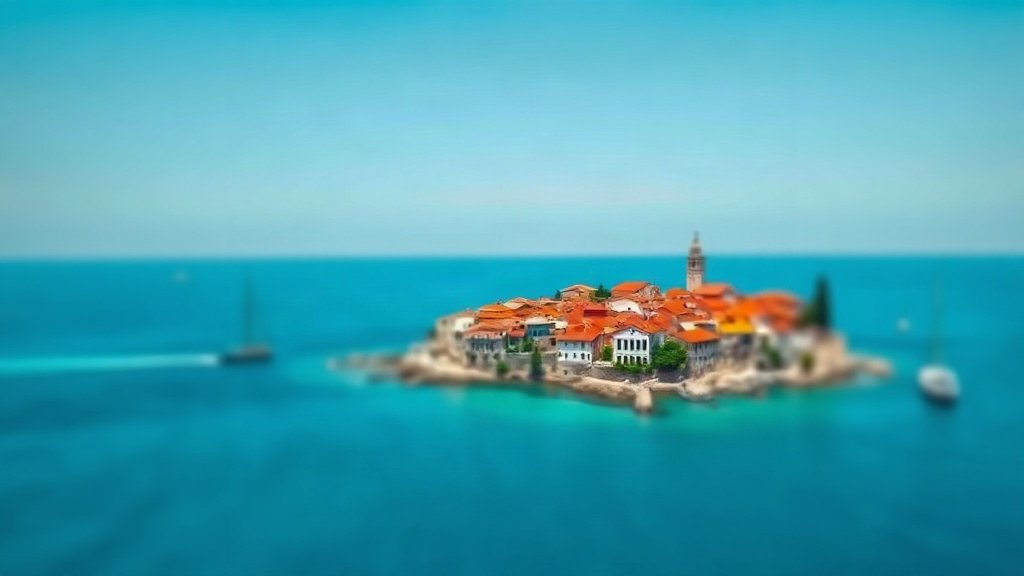
Illustration: AI-generated image
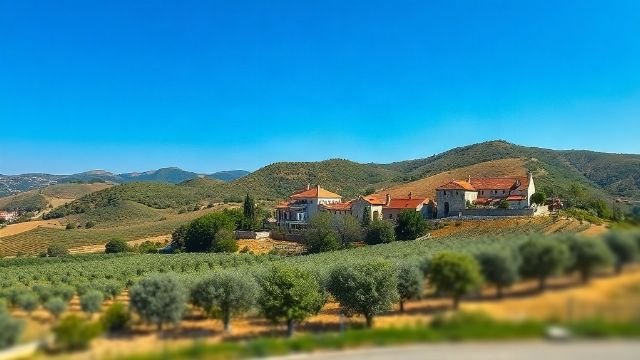
Korčula, a green island in South Dalmatia, is often described as a quieter, more intimate version of Dubrovnik. Its walled medieval town, set on a small peninsula, is a masterpiece of stone architecture, while the surrounding hills are covered with vineyards, olive groves and pine forests. Add a scattering of sandy and pebble beaches, and you have one of Croatia’s most complete island escapes.
Getting there and around
Korčula is well connected by ferry and catamaran from the mainland (Orebić on the Pelješac peninsula is the closest point, with frequent short crossings) and from Split, Dubrovnik and the islands of Hvar and Mljet. The main ports are Korčula Town and Vela Luka at the island’s western end. Once on the island, a local bus connects the larger settlements, but having a car, scooter or bicycle gives you the freedom to explore hidden coves and hilltop villages at your own pace. The island’s main road is well maintained, and traffic is light outside summer weekends.
Exploring Korčula Town
Korčula Town is the island’s undisputed highlight. The historic centre is built on a small oval peninsula, with narrow streets arranged in a fishbone pattern to deflect the strong winds that can whip up the Pelješac Channel. The landmark St Mark’s Cathedral dominates the central square, and a climb up its bell tower rewards you with sweeping views over red rooftops and the sea. Just off the square, you’ll find a house said to be the birthplace of the explorer Marco Polo – the claim is disputed, but the legend adds a layer of intrigue. In summer, the town hosts performances of the Moreška, a traditional sword dance with roots in the battles between Moors and Christians; it’s a spectacle not to be missed.
Wine, food and local flavours
Korčula is a serious wine island. Two indigenous white grape varieties thrive here: Grk, grown almost exclusively in the sandy soils around the village of Lumbarda, and Pošip, which originates from the central part of the island near Čara and Smokvica. Both produce crisp, aromatic whites that pair beautifully with seafood. Small family-run wineries welcome visitors for tastings, though it’s wise to book ahead in peak season. The island’s cuisine is typically Dalmatian: fresh fish, octopus, lamb from the island’s rocky pastures, and handmade pasta like žrnovski makaruni, served with rich meat sauces. Olive oil, honey and capers are other local products worth seeking out.
Beaches and swimming spots
While Korčula’s coastline is largely rocky, it has a few sandy exceptions. Vela Pržina in Lumbarda is the most famous: a broad, sandy bay with shallow water, ideal for families. Nearby Bilin Žal is smaller but equally pleasant. Elsewhere, pebble and rock beaches are common; some of the nicest are found in quiet coves along the island’s southern shore, between Korčula Town and Lumbarda, or on the islets of the Korčula archipelago. The sea is exceptionally clear, and snorkelling is rewarding off the rocks.
Beyond the town: villages and viewpoints
Venture inland and you’ll find sleepy stone villages that seem little changed in decades. Lumbarda, a short drive from Korčula Town, is known for its vineyards and sandy beaches. Further west, the villages of Čara and Smokvica are at the heart of Pošip country, surrounded by neat terraced vineyards. Vela Luka, at the far western tip, is the island’s second town and a good base for exploring the western half. For unforgettable views, head up to the road that climbs from Korčula Town towards the village of Žrnovo; from there, panoramic lookouts reveal the Pelješac Channel and the mainland mountains beyond.
Korčula rewards slow travel. Give yourself at least three or four days to soak in the old town, taste the wines, and discover a cove or two of your own.