A Slow Guide to Lastovo: Croatia's Remote Island of Stars and Sea
Far from the crowds, Lastovo offers pristine nature, traditional stone villages and some of the darkest skies in Europe.
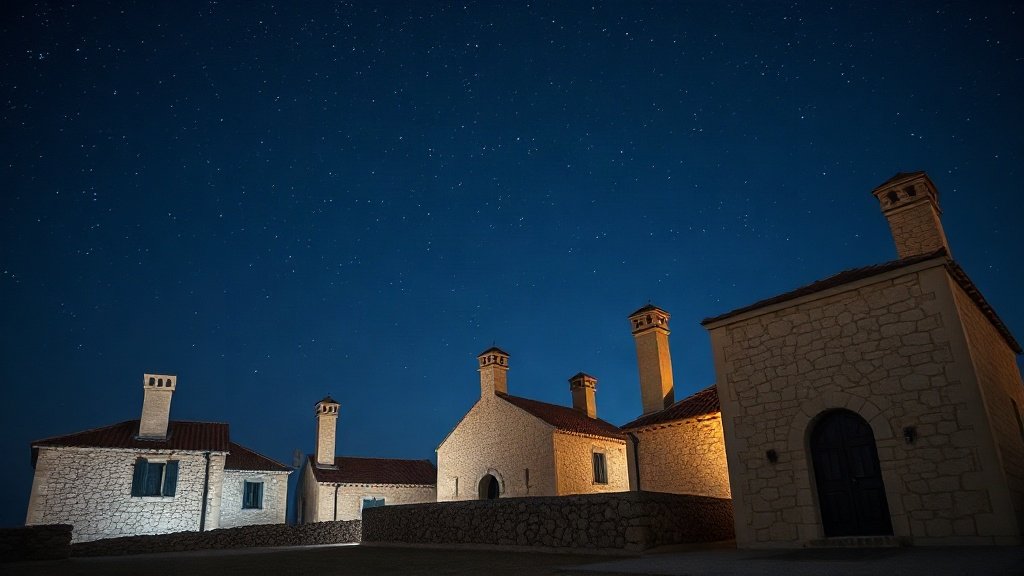
Illustration: AI-generated image
Lastovo is Croatia's most remote inhabited island, a place where time slows and nature still rules. Surrounded by the deep blue Adriatic, this protected nature park is a haven for hikers, swimmers and stargazers seeking an escape from the tourist trail.
Getting There and Around
Reaching Lastovo is an adventure in itself. Regular car ferries connect Split with the island's main port of Ubli, a journey that takes several hours and passes through some of the most dramatic seascapes in Dalmatia. During the summer season, additional catamaran services operate, but schedules are subject to change, so it's wise to check in advance. Once on the island, a car is the most flexible way to explore, though local buses link the main settlements and taxis are available. The island's roads are narrow and winding, but the views are unforgettable.
Nature and Outdoors
Lastovo is part of the Lastovo Archipelago Nature Park, which protects the island and its surrounding islets. The landscape is a mix of dense pine forests, aromatic maquis and rocky limestone shores. Hiking trails crisscross the island, leading to hidden coves and panoramic viewpoints. Some of the best swimming spots include the sheltered bay of Zaklopatica and the pebble beach at Skrivena Luka, both known for their crystal-clear water. The sea around Lastovo is exceptionally clean, making it a favourite for snorkelling and diving, with underwater caves and rich marine life.
Traditional Villages and Architecture
The main settlement, also called Lastovo, is one of the most beautiful hilltop villages in Croatia. Built in a natural amphitheatre, its stone houses climb the slopes towards the parish church. What sets Lastovo apart are the distinctive chimneys, known locally as fumari. These ornate, sculptural chimneys adorn the rooftops, each one unique and reflecting the skill of local stonemasons. No two are alike, and they have become a symbol of the island. Wandering the narrow streets, you'll encounter terraced gardens, ancient churches and a timeless atmosphere untouched by mass tourism.
Star Gazing
Lastovo boasts some of the darkest skies in Europe. With minimal light pollution, the island is a paradise for astronomers and anyone who simply enjoys a clear night sky. On a moonless night, the Milky Way stretches across the heavens and shooting stars are common. Even without a telescope, the view is breathtaking. The best months for stargazing are from late spring to early autumn, when the weather is most stable, but a clear winter night can be just as rewarding.
Practical Tips
The best time to visit depends on your interests. Summer is ideal for swimming and long days by the sea, but it also brings more visitors. Spring and autumn are perfect for hiking and enjoying the island's tranquillity, with mild temperatures and blooming wildflowers or golden landscapes. Because Lastovo is remote, supplies are limited; it's a good idea to bring essentials. The island has a few small shops and restaurants, but options are simple and focused on local produce. Respect the nature park rules, stay on marked trails and avoid disturbing wildlife. Lastovo is not for those seeking nightlife or luxury resorts—it's for travellers who value silence, authenticity and a deep connection with the natural world.