A Slow Guide to Mljet: Saltwater Lakes and a Monastery Island
Discover Mljet, Croatia's greenest island, where two saltwater lakes, a 12th-century monastery, and quiet pine forests offer a peaceful escape from the crowds.
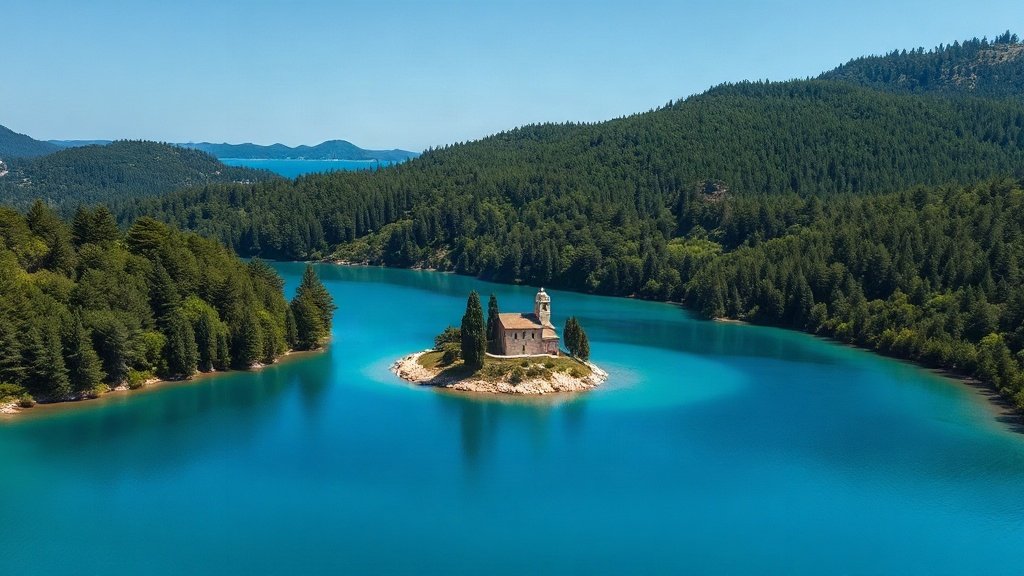
Illustration: AI-generated image
Why visit Mljet?
Mljet is often called Croatia's greenest island, and for good reason. Over two-thirds of the island is covered in dense pine and holm oak forest, while the western third is protected as Mljet National Park. Unlike busier Dalmatian destinations, Mljet moves at a slower pace. Here you'll find no thumping beach bars or crowded promenades—just the sound of cicadas, the scent of pine, and the gentle lapping of water against stone shores.
The island's star attractions are two interconnected saltwater lakes, Veliko Jezero (Big Lake) and Malo Jezero (Little Lake), which shimmer in shades of emerald and turquoise. In the middle of Veliko Jezero sits a tiny islet crowned by a 12th-century Benedictine monastery, one of the most photographed spots in the Adriatic.
Getting there
Mljet is reachable by ferry or catamaran from Dubrovnik, Split, and the Pelješac Peninsula. The main ferry port is Sobra on the north coast, while catamarans also call at Polače, a village near the national park entrance. If you're coming by car, the ferry from Prapratno on Pelješac to Sobra takes about 45 minutes and runs year-round, though more frequently in summer.
Once on the island, a car is useful for exploring the eastern villages and hidden coves, but the national park is best explored on foot, by bike, or by kayak. Bicycles can be rented near the park entrances, and electric bikes are increasingly popular for covering longer distances.
The National Park: Lakes and Monastery
Mljet National Park covers the entire northwestern part of the island. Its centrepiece is Veliko Jezero, a saltwater lake roughly 1.5 kilometres wide and 4 kilometres long, connected to the open sea by a narrow channel. The water is calm, clear, and noticeably warmer than the open Adriatic, making it ideal for swimming from late spring to early autumn.
A short boat ride from the lake's edge takes you to the small islet of Sveta Marija (St Mary), where a Benedictine monastery was founded in the 12th century. The monastery complex includes a Romanesque church, a defensive tower, and a peaceful cloister garden. Today it houses a small café and exhibition space, but the atmosphere remains contemplative.
Malo Jezero, the smaller lake to the south, is shallower and even warmer, with a sandy bottom in places. It is particularly popular with families. Walking and cycling trails circle both lakes, offering shaded paths and frequent spots to stop for a swim.
Things to do beyond the lakes
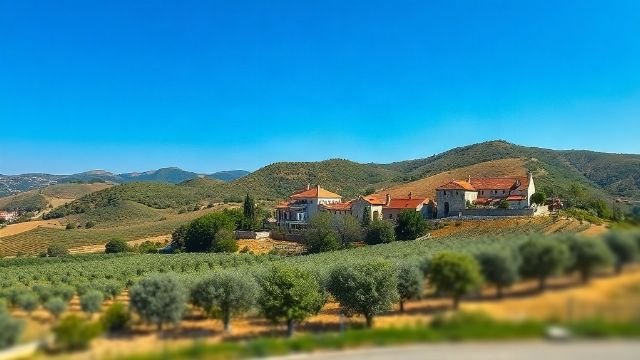
While the national park is the main draw, Mljet rewards those who venture further. The eastern half of the island remains largely agricultural, with vineyards, olive groves, and sleepy villages like Babino Polje, the island's largest settlement. Here you can see traditional stone houses and sample local goat cheese, honey, and wine.
For beach lovers, the south coast has several pebbly coves, such as Saplunara, known for its shallow, sandy-bottomed waters. The north coast near Sobra offers snorkelling around small reefs and sea caves. Hikers can follow old shepherd paths across the island's central ridge, where views stretch over the Elaphiti Islands and the open sea.
Where to stay and eat
Accommodation on Mljet is mostly small-scale: family-run guesthouses, apartments, and a few boutique hotels. Many are concentrated in Polače, Pomena, and Sobra, within walking distance of the ferry or park entrance. Booking ahead is wise in July and August, though the island rarely feels overcrowded.
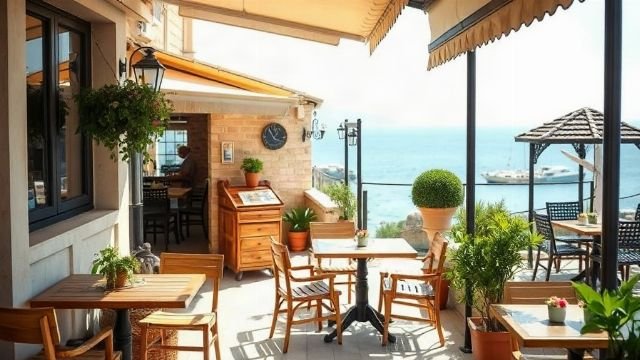
Dining is similarly low-key. Local taverns serve fresh fish, octopus salad, and grilled lamb, often accompanied by home-grown vegetables and olive oil. Look for dishes featuring Mljet's famous goat cheese, which has a slightly tangy, herbaceous flavour. In the national park, a few simple restaurants and cafés offer refreshments with lake views.
Practical tips
- When to go: Late spring and early autumn offer warm weather without the summer crowds. The lakes are swimmable from May to October.
- Getting around: Rent a bike or kayak for the national park; use a car or scooter for the rest of the island. Roads are narrow but well-maintained.
- Essentials: Bring water shoes for rocky lake entries, and a light jumper for evenings, as the pine forest can cool down quickly after sunset.
- Respect nature: The national park is a protected area; stay on marked trails, do not disturb wildlife, and take all rubbish with you.
Mljet is a reminder that the best of Croatia often lies just beyond the well-trodden path. Its combination of serene lakes, ancient history, and unspoiled nature makes it a perfect destination for anyone seeking rest and quiet beauty.