A Slow Guide to the Elafiti Islands: Koločep, Lopud and Šipan
Just a short ferry ride from Dubrovnik, the Elafiti Islands offer car-free villages, pine-shaded coves and a slower pace of Adriatic life.
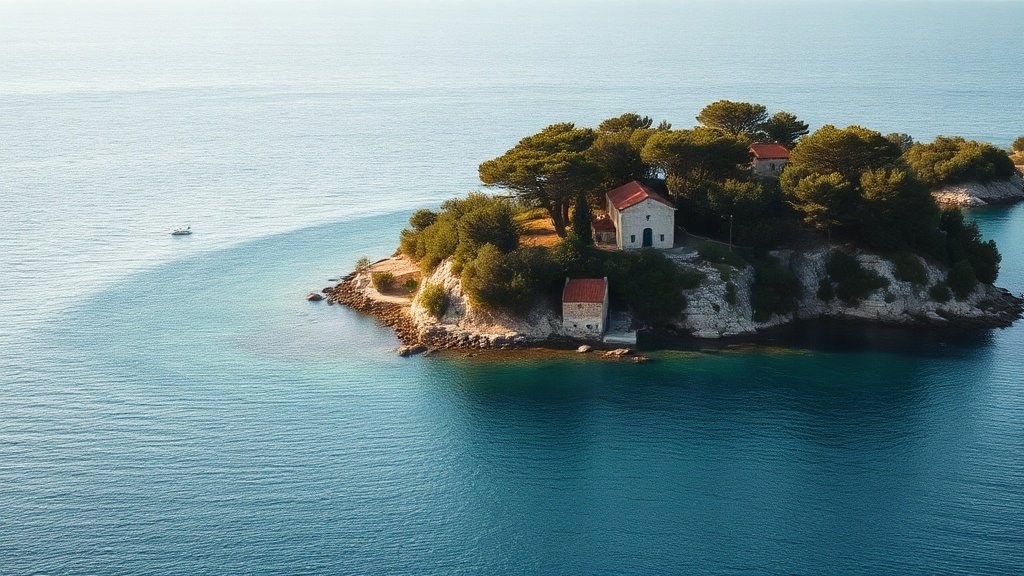
Illustration: AI-generated image
Scattered just northwest of Dubrovnik, the Elafiti Islands are a small archipelago of pine-clad hills, stone villages and turquoise coves. Only three are permanently inhabited—Koločep, Lopud and Šipan—and none allow cars. That makes them an easy, relaxing escape from the crowds of the Old Town, whether for a day trip or a longer slow-travel stay.
Getting There
Regular passenger ferries connect Dubrovnik's Gruž port with the three main islands throughout the year, with more departures in summer. The crossing takes between 30 minutes and an hour depending on the island. Once ashore, everything is reached on foot or by bicycle; on Šipan, local buses and occasional taxis serve the two main villages.
Koločep: The Closest Escape
Koločep, locally called Kalamota, is the nearest island to Dubrovnik and the smallest of the three. A single village of the same name clusters around a sheltered bay, while forested paths lead to quiet swimming spots such as Donje Čelo and Gornje Čelo. With no cars and few buildings, it feels like a step back in time. Walks along the cliffs offer lovely views back towards the mainland.
Lopud: Sandy Beaches and Subtropical Gardens
Lopud is famous for Šunj, one of the few sandy beaches in the Dubrovnik region, set in a wide bay on the island's southern side. The main settlement stretches along a horseshoe-shaped waterfront lined with palm trees and historic summer villas. A gentle climb leads to the ruins of a Franciscan monastery, while the island's car-free paths invite unhurried exploration. Botanical enthusiasts will appreciate the variety of subtropical plants that thrive in the mild climate.
Šipan: The Largest and Most Lived-In
Šipan is the biggest of the Elafiti and the only one with a year-round population of more than a few hundred. Two villages, Suđurađ and Šipanska Luka, are connected by a scenic road through olive groves and vineyards. Suđurađ is dominated by a fortified Renaissance summer residence, while Šipanska Luka sits around a deep, calm bay. The island produces excellent olive oil and wine, and its quiet countryside is ideal for cycling or long walks.
Where to Stay and Eat
Accommodation on the Elafiti is mostly small family-run guesthouses and apartments, with a couple of modest hotels on Lopud and Šipan. Restaurants focus on fresh seafood, grilled fish and local vegetables, often served on waterside terraces. Booking ahead is wise in July and August, but outside high season you can simply arrive and find a room.
When to Visit
Spring and early autumn are the most pleasant seasons, with warm weather and fewer day-trippers. Summer brings lively beaches and warm seas, while winter is very quiet—many facilities close, but the mild climate still allows bracing walks by the water.