A Slow Guide to the Island of Cres: Wild Nature and Quiet Villages
Discover the rugged landscapes, griffon vultures and stone villages of Cres, one of Croatia's most unspoiled Adriatic islands.
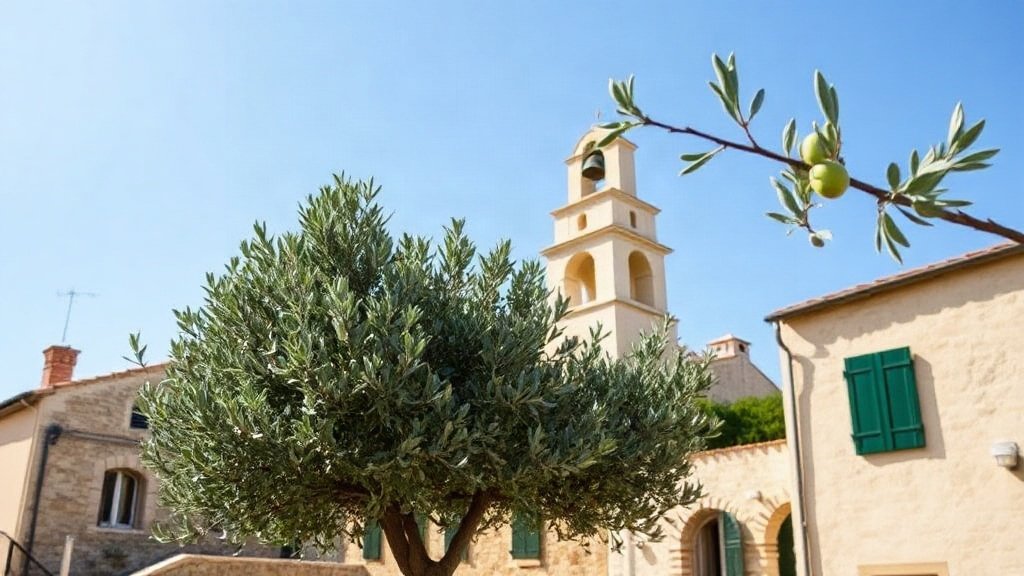
Illustration: AI-generated image
Getting There and Around
The island of Cres lies in the northern Adriatic, in the Kvarner Gulf, linked to the mainland by a short ferry ride from Brestova on the Istrian peninsula to Porozina on the island's northern tip. If you are coming from the island of Krk, a swing bridge at Osor connects the two islands. Once on Cres, a single main road runs the length of the island, making it easy to explore by car or bicycle. Local buses connect the main settlements, but services are limited outside summer, so having your own transport gives you the freedom to stop at quiet coves and viewpoints.
Wild Nature and Stone Villages
Cres is often described as one of Croatia's wildest islands, and for good reason. Much of the island is covered in dense oak and pine forest, especially in the northern Tramuntana region. The eastern coast is steep and rugged, while the western side offers gentler slopes and pebble beaches. The island is also home to one of the last remaining colonies of griffon vultures in Europe. The tiny village of Beli, perched on a hilltop in the north, is the best base for learning about these magnificent birds and is a starting point for a walk to the nearby eco-centre.
The island's villages are a highlight in themselves. Cres Town, with its Venetian-style architecture and bustling harbour, is the main hub. Further south, the village of Valun is a short walk from a beautiful pebble beach and is known for its early medieval stone tablet, the Valun Tablet, inscribed in both Latin and Glagolitic script. The abandoned hilltop village of Lubenice, perched on a clifftop 378 metres above the sea, offers stunning views and a steep path down to a hidden beach. And at the very southern tip, the small town of Osor, once a Roman settlement, is now a quiet artistic centre with ancient ruins and a picturesque bridge.
The island's coastline is dotted with quiet coves and pebble beaches, many accessible only by boat or on foot. The beach at Valun is a family favourite, while the more adventurous can tackle the steep path from Lubenice down to the tiny bay of Sveti Ivan. The water is famously clear, and snorkelling is a pleasure. For a truly remote experience, hire a kayak or take a small boat tour to explore the sea caves and uninhabited islets along the western shore.
Practical Tips for a Slow Visit
Cres rewards those who take their time. Bring sturdy footwear for walking the many trails that criss-cross the island, and pack a swimsuit for a dip in the clear sea. The island is famous for its lamb and sheep's cheese, and you will see olive groves and beehives throughout. While summer is busy, spring and early autumn are ideal for hiking and wildlife watching, when temperatures are milder and the vultures are easier to spot. Remember to bring cash for small purchases, as some village shops and cafés may not accept cards. And always take your rubbish with you, as the island's fragile ecosystem depends on visitors leaving no trace.