A Slow Guide to the Island of Krk: Beaches, History and Wine
Croatia's largest island is also its most accessible, connected to the mainland by bridge. Here's how to explore its towns, beaches and traditions at a relaxed pace.
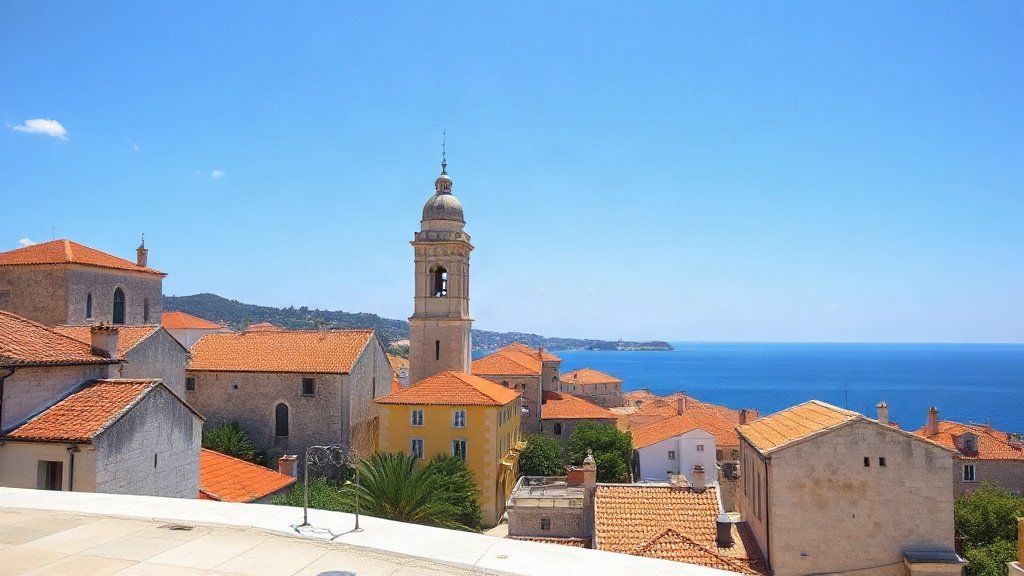
Illustration: AI-generated image
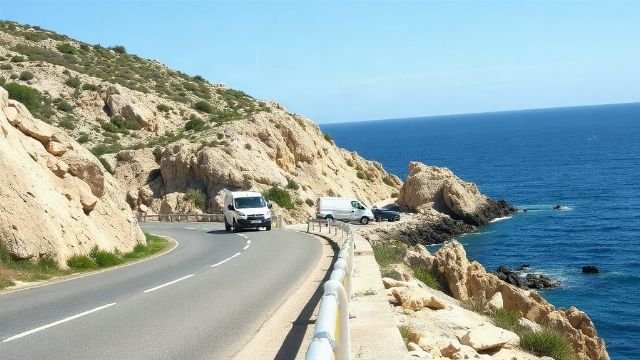
Krk is often called the 'golden island' of the Kvarner Gulf, and for good reason. It combines medieval stone towns, pebbly and sandy beaches, rolling vineyards and a dramatic karst landscape. Best of all, it's linked to the mainland by a bridge, so you can simply drive over and start exploring.
Getting There
The Krk Bridge connects the island to the mainland near Kraljevica, making it easy to reach by car from Rijeka in about 40 minutes. Rijeka Airport is actually on Krk, so you can fly in and be on the island immediately. Regular bus services run from Rijeka and Zagreb to Krk town and other island destinations.
Krk Town and the Frankopan Castle
The island's main town, also called Krk, is a lively hub with a lovely old quarter. Wander through its narrow alleys to the Frankopan Castle, a 12th-century fortress that now hosts concerts and events. Nearby, the Cathedral of the Assumption displays layers of history from early Christian to Renaissance times. The seafront promenade is perfect for an evening stroll.
Vrbnik: Wine and Narrow Streets
Perched on a limestone cliff, Vrbnik is famous for two things: its indigenous white wine, Žlahtina, and one of the world's narrowest streets. Klančić is barely 40 centimetres wide, just enough for a single person to squeeze through. Visit a local konoba to taste Žlahtina, which pairs beautifully with sheep's cheese and pršut.
Baška: Beach and Glagolitic Heritage
Baška, on the island's southern tip, is known for its long pebble beach, Vela Plaža, ideal for families and swimmers. But history buffs come for the Baška Tablet, one of the oldest examples of written Croatian, carved in Glagolitic script around 1100. A walking trail from Baška to the ruins of the early Christian church of St. Lucy offers both history and sea views.
Punat and Košljun
Punat is a small town on a sheltered bay, popular with sailors. From its harbour, a short boat ride takes you to the islet of Košljun, home to a Franciscan monastery with a rich library and museum. The islet is covered in lush vegetation and offers a tranquil escape.
Outdoor Activities
Krk has over 300 kilometres of marked cycling and hiking trails. The northern part of the island features a barren, moon-like landscape, while the south is greener. Popular routes include the climb to Obzova, the island's highest peak, and coastal paths with views of the mainland mountains. Sea kayaking and windsurfing are also popular in the summer months.
When to Go
July and August are warm and busy, while late spring and early autumn offer pleasant temperatures and fewer crowds. Even in winter, the island remains lively thanks to its year-round population and cultural events. Whenever you visit, Krk rewards slow travel, so take time to explore its many layers.