The Adriatic Highway: Croatia's Lifeline for Business and Trade
The Adriatic Highway is more than a scenic drive; it is a vital artery for Croatia's economy, connecting key coastal cities and facilitating trade, logistics, and business travel.
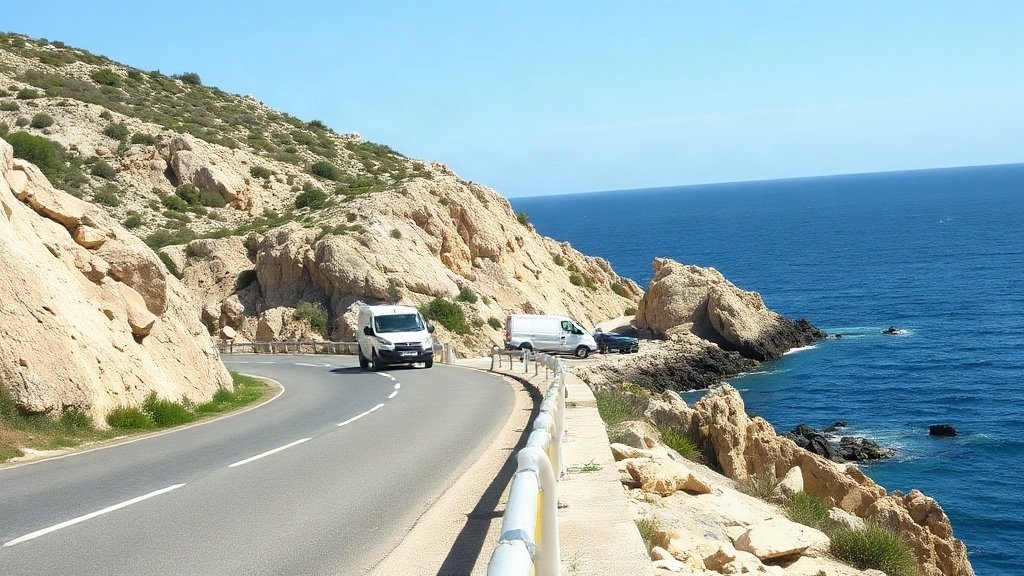
Illustration: AI-generated image
The Adriatic Highway, known locally as Jadranska magistrala, stretches along Croatia's stunning coastline, linking historic cities, busy ports, and thriving tourist hubs. While many visitors enjoy it for its breathtaking views, for businesses it is a crucial transport corridor that underpins regional commerce and connectivity. This guide explores the highway's economic role and offers practical advice for those using it for work.
A Historic Route with Modern Importance
Built primarily during the 1960s, the Adriatic Highway was designed to open up the Dalmatian coast and connect it with the rest of Yugoslavia and beyond. Today, it remains a key part of Croatia's road network, officially designated as state road D8. Running from the Slovenian border in the north to the Montenegrin border in the south, it passes through major economic centres such as Rijeka, Zadar, Šibenik, Split, and Dubrovnik.
Although the newer A1 motorway has taken over much of the long-distance traffic, the Adriatic Highway continues to serve as an essential alternative and a vital local link. It provides direct access to coastal towns, islands via ferry ports, and industrial zones that are not reachable by motorway. For many small and medium-sized enterprises along the coast, it is the primary route for receiving supplies and distributing goods.
Connecting Croatia's Economic Centres
The highway's route is strategically important. It runs parallel to the Adriatic Sea, linking some of Croatia's busiest ports and ferry terminals. Goods arriving by sea can be quickly transferred to road transport and moved along the coast. Fresh produce from the Neretva Valley, fish from the islands, and manufactured goods from Split and Rijeka all depend on this road to reach markets both domestically and internationally.
Moreover, the highway supports the tourism industry, which is a cornerstone of the Croatian economy. Hotels, restaurants, and other businesses rely on the road to bring in staff, supplies, and guests. During the summer months, the route becomes especially busy with both commercial and private vehicles, highlighting its dual role as a business and leisure corridor.
Logistics and Trade: The Highway's Role
For logistics companies, the Adriatic Highway offers flexibility. While the motorway provides faster travel over long distances, the highway allows for more direct delivery to coastal destinations and offers numerous access points. It is particularly valuable for businesses operating in the central and southern Dalmatian regions, where the motorway is further inland.
The road is also critical for just-in-time deliveries to the many small shops, cafes, and service providers that line the coast. Without this route, many communities would face significant supply challenges, especially during the winter when ferry services can be disrupted by bad weather.
Business Travel Tips for the Adriatic Highway
If you need to travel for business along the Adriatic Highway, planning is essential. The road is mostly single carriageway and winds through mountainous terrain, so journey times are longer than distances suggest. Allow extra time for meetings, especially if travelling during peak tourist season when traffic can be heavy.
Fuel stations and rest areas are available at regular intervals, but it is wise to refuel before long stretches, particularly on the more remote sections between Split and Dubrovnik. In winter, the highway can be affected by strong bora winds, and some high sections may be icy; check weather forecasts and road conditions before setting out.
For those who value scenic routes, the highway offers an opportunity to combine business with pleasure, but safety should always come first. Use designated parking areas to take in the views and avoid stopping on narrow shoulders.
The Future of Coastal Transport
As Croatia continues to develop its infrastructure, the Adriatic Highway remains a vital part of the national transport strategy. Upgrades and maintenance are ongoing to improve safety and capacity, ensuring that this historic road continues to serve the economy for years to come. For businesses, understanding its role and how to navigate it effectively is a valuable part of operating successfully in coastal Croatia.