A Visitor's Guide to Croatia's Licitar Hearts: The Sweet Symbol of Love
Discover the story behind Croatia's iconic red hearts, where to find them, and how to bring home an authentic piece of tradition.
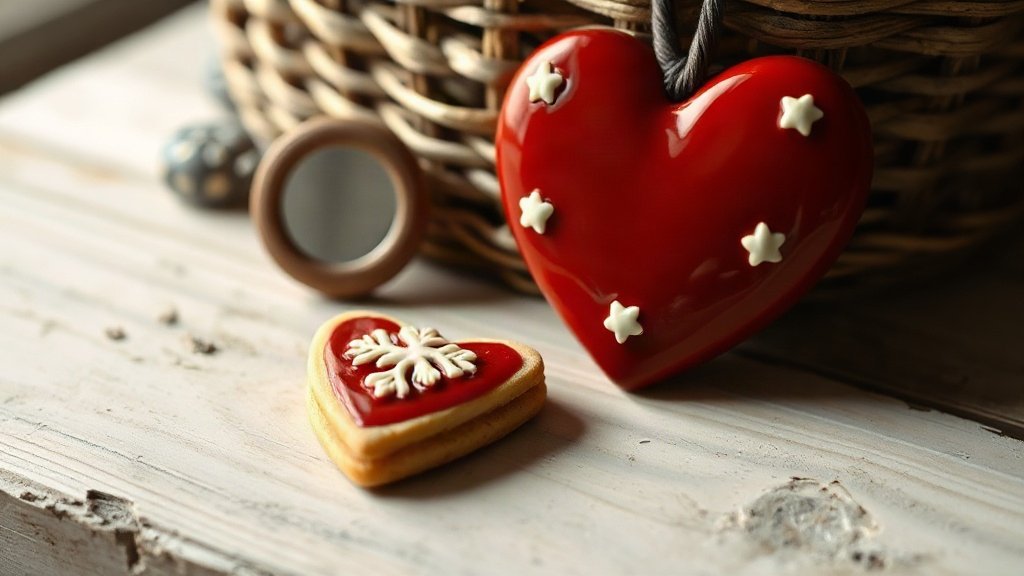
Illustration: AI-generated image
Bright red, intricately decorated, and often given as a token of affection, the licitar heart is one of Croatia's most recognisable souvenirs. But these glossy gingerbread-like biscuits are far more than a trinket—they are a living tradition with roots stretching back centuries, and they hold a special place in the country's cultural identity.
What is a licitar heart?
Licitar (pronounced lee-tsee-tar) is a type of decorative biscuit made from a simple dough of flour, water, sugar, and honey, with a touch of yeast or baking powder. The dough is shaped, baked, and then coated in a shiny red glaze before being adorned with elaborate piping in white or contrasting colours. Traditional designs include hearts, but also small dolls, birds, horseshoes, and other shapes. A small mirror is often embedded in the centre of a heart, symbolising that the giver is reflecting the recipient's beauty or offering a glimpse into their heart.
Licitar hearts are not meant to be eaten in the way you might enjoy a gingerbread cookie. They are hard and long-lasting, designed to be kept as mementos, hung on walls, or given as gifts for special occasions such as Valentine's Day, weddings, and christenings.
A tradition recognised by UNESCO
The craft of making licitar is so culturally significant that in 2010, UNESCO inscribed 'The art of making gingerbread (licitar) in northern Croatia' on its Representative List of the Intangible Cultural Heritage of Humanity. The tradition is particularly associated with the regions of Zagreb, Hrvatsko Zagorje, and Međimurje, where families of licitar makers have passed down their skills for generations.
Historically, licitar makers were also candle makers and honey sellers, travelling to fairs and markets across the region. The craft reached its peak in the 19th century, and while the number of traditional artisans has declined, the licitar heart remains an enduring symbol of Croatian identity.
Where to find licitar hearts
If you are visiting Croatia, you will find licitar hearts in souvenir shops throughout the country, but the most authentic examples come from the northern regions where the tradition is strongest. In Zagreb, the bustling Dolac Market and the stalls around Ban Jelačić Square often sell them, especially in the run-up to Christmas and Valentine's Day. The city's famous Advent markets are a particularly good hunting ground, where you can see artisans painting the biscuits by hand.
For a deeper experience, look for workshops or demonstrations offered by local craftspeople. Some museums dedicated to Croatian folk traditions, such as the Ethnographic Museum in Zagreb, display historical licitar moulds and examples, providing context on how the designs have evolved. While specific businesses change, asking at tourist information offices in Zagreb, Samobor, or Varaždin can point you towards active licitar makers who welcome visitors.
What to look for when buying
Authentic licitar hearts are made by hand, so slight variations in size, shape, and piping are normal—and part of their charm. The glaze should be a deep, glossy red, and the white icing should be crisp and detailed. The biscuit should feel hard and dry, not soft or sticky. Avoid mass-produced imitations that may be painted plastic or resin; genuine licitar is a baked dough that you can gently tap with your fingernail to hear a hard, hollow sound.
If you want to bring one home, remember that they are fragile. Wrap them carefully in tissue paper and carry them in your hand luggage rather than checked baggage, where they might be crushed.
A sweet way to connect with Croatia
Whether you buy a small heart to hang on your Christmas tree or a larger one as a gift for someone special, a licitar heart is a meaningful souvenir that tells a story. It represents a craft that has survived wars, changing fashions, and industrialisation, and it continues to be made with pride by artisans who see themselves as guardians of Croatian heritage. So next time you spot a sea of red hearts at a Croatian market, take a moment to appreciate the centuries of tradition glazed onto each one.