Citronella: Easy to Grow, but Does It Really Deter Mosquitoes?
Citronella is a popular garden plant often linked to mosquito control. Here's how to grow it and what it can actually do.
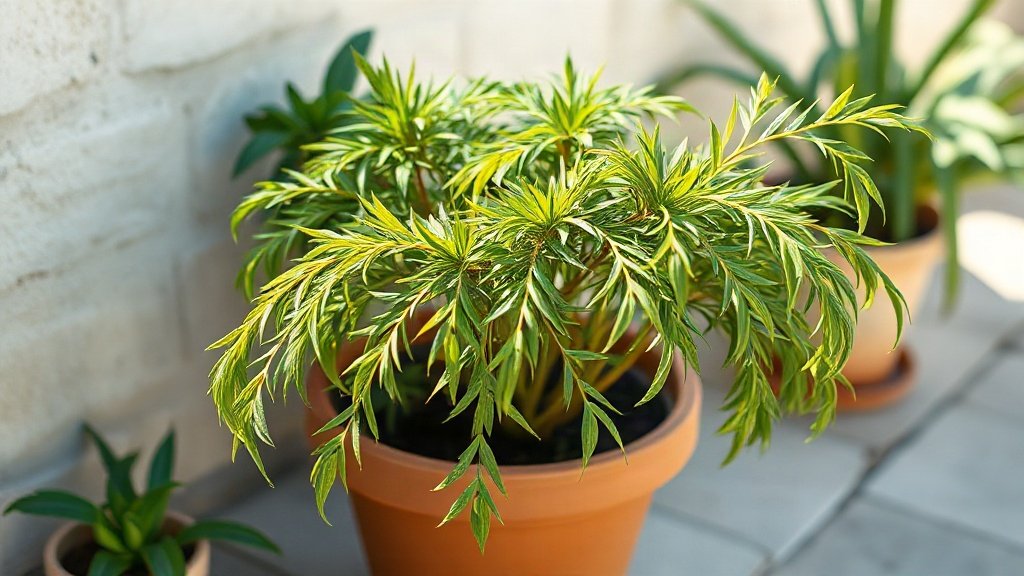
Illustration: AI-generated image
Citronella is a plant best known for its strong lemon-like scent and its reputation as a natural mosquito repellent. It is easy to grow and makes an attractive addition to a garden, balcony or even a sunny indoor spot, but there are a few important things to know before bringing one home.
What is citronella?
Citronella belongs to the Cymbopogon genus, and true citronella is usually Cymbopogon nardus or Cymbopogon winterianus. It has long, slender leaves and is often confused with lemongrass, but the two plants smell quite different. Lemongrass has a sweet lemon scent, while citronella is much stronger and closer to the smell of a disinfectant. The leaves contain essential oils that give the plant its characteristic fragrance.
How to grow citronella
Citronella can be planted in the ground or grown in a pot, and it can live outdoors or indoors. If you plan to keep it outside, wait until the danger of frost has passed before planting or moving it out. The plant does not need extra fertiliser, but it prefers slightly acidic soil with a pH of 5.8 to 6.3. Good drainage is essential, as the plant does not like stagnant water around its roots. Make sure any container has drainage holes to prevent waterlogging.
For healthy growth, citronella needs about six hours of sunlight a day and appreciates some afternoon shade, especially in hot weather. Water the plant when the top of the soil feels dry when you push a finger into it – roughly once a week, and more often during very hot summer days. If the leaves start to dry out and turn brown, it is a sign that the plant needs more water. Citronella tolerates a range of temperatures, but frost or extreme heat can cause damage. It grows best when humidity is 40 per cent or higher.
Can citronella really repel mosquitoes?
Despite its reputation, simply planting citronella will not keep mosquitoes away. The essential oils in the leaves are what help repel mosquitoes and flies, but those oils need to be released. You have to crush or rub the leaves to get the benefit. That is why citronella is a common ingredient in candles, sprays and other products designed to deter insects – the plant itself won't do the job on its own just by sitting in a corner.
Safety notes
Citronella essential oil can cause skin irritation in some people, including redness, swelling, rash or other allergic reactions. Always use it with care. The plant is also toxic to dogs and cats, so keep it out of reach of pets. When buying, make sure you are getting true citronella and not a similar plant like lemongrass, as only the real thing contains the oils that are useful against insects.