Croatia's Public Holidays: A Business Planning Guide
Plan around Croatia's non-working days to keep your business running smoothly. Here's what you need to know about public holidays and their impact on commerce.

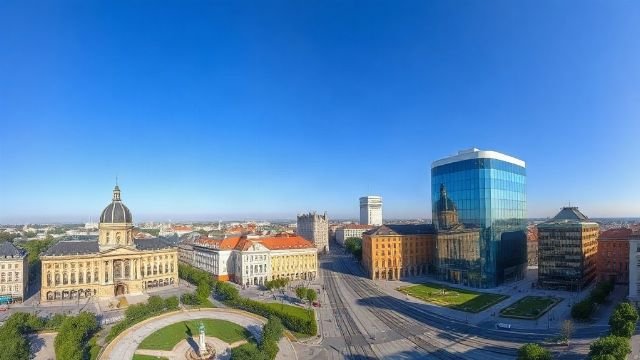
Illustration: AI-generated image
Public holidays in Croatia are more than just days off; they shape the rhythm of business throughout the year. For companies operating in or with Croatia, understanding these dates is essential for planning production, scheduling meetings, and managing supply chains.
What counts as a public holiday?
Croatian law defines public holidays as non-working days for most employees. They include both secular and religious observances. Some holidays fall on fixed dates, while others are movable, such as Easter Monday and Corpus Christi.
- New Year's Day – 1 January
- Epiphany – 6 January
- Easter Monday – movable (March or April)
- Labour Day – 1 May
- Statehood Day – 30 May
- Corpus Christi – movable (May or June)
- Anti-Fascist Struggle Day – 22 June
- Victory and Homeland Thanksgiving Day – 5 August
- Assumption of Mary – 15 August
- All Saints' Day – 1 November
- Christmas Day – 25 December
- St Stephen's Day – 26 December
When a public holiday falls on a Sunday, the following Monday is usually a non-working day. This can create longer weekends that impact business operations.
How holidays affect different sectors
In offices and public administration, public holidays mean complete closure. Banks and government offices shut, so any transactions or paperwork scheduled for those days must wait. For businesses that rely on banking services, this can delay payments and approvals.
Retail and hospitality often remain open, but with reduced hours. Many shops close on major holidays like Christmas and Easter, while cafes and restaurants may operate with limited staff. Tourist-oriented businesses in coastal areas may treat holidays as peak days, especially during summer.
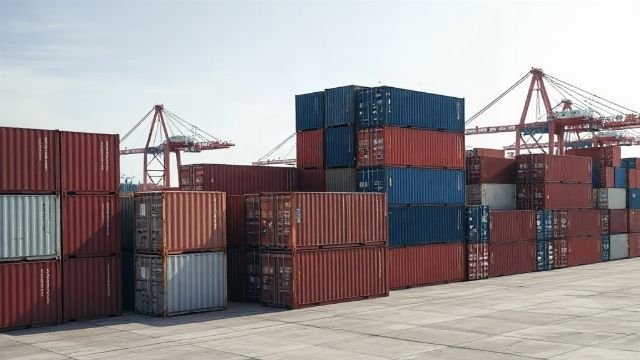
Manufacturing and logistics face challenges when holidays interrupt production schedules. Deliveries may be delayed because transport companies often do not operate on non-working days. Planning around these dates is crucial to avoid bottlenecks.
Practical tips for business planning
Keep a calendar of Croatian public holidays and mark them when planning projects with Croatian partners. Confirm deadlines that fall near holidays, as they may be moved to the next working day. For international businesses, remember that some holidays are unique to Croatia, so colleagues abroad may not be aware of them.
If you employ staff in Croatia, schedule leave requests around long weekends in advance. Many employees extend holidays with annual leave, so expect reduced workforce capacity in the days before and after a public holiday.
For retailers, holidays present opportunities for promotions, especially before Christmas and Easter. However, be mindful of restricted trading on certain days, such as Christmas Day and Easter Sunday, when most shops are legally required to close.
Conclusion
Understanding Croatia's public holidays allows businesses to avoid disruptions and plan effectively. By aligning your operations with the national calendar, you can maintain productivity and foster good relationships with Croatian partners and clients.