How to Export Goods from Croatia: A Practical Guide
A step-by-step overview of the export process for Croatian businesses, from customs declarations to VAT rules and essential documentation.
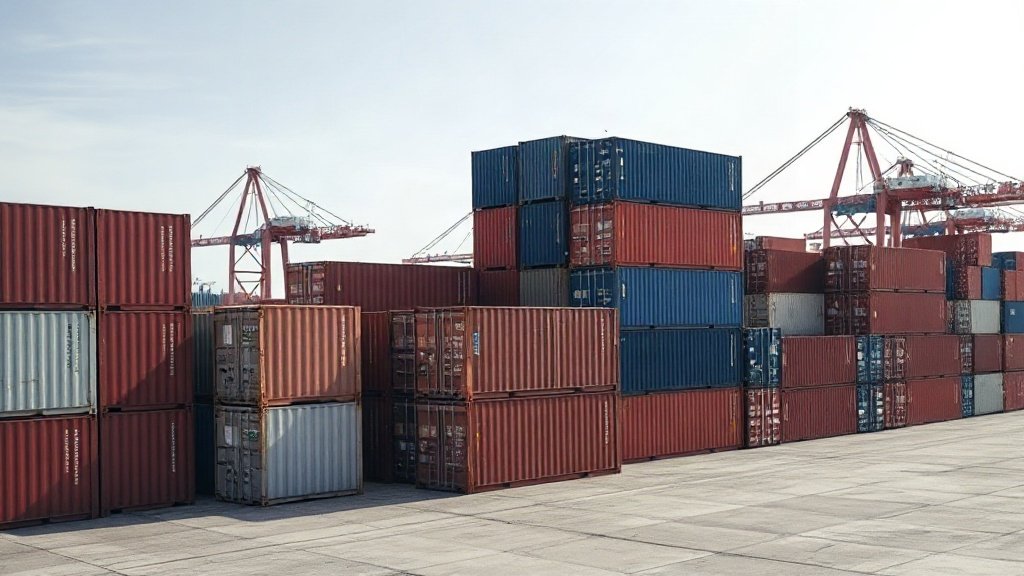
Illustration: AI-generated image
Exporting goods from Croatia offers businesses access to both the EU single market and global markets. As an EU member state, Croatia follows common customs rules, which simplifies intra-EU trade but requires specific procedures for exports outside the EU. This guide outlines the essential steps and considerations for Croatian exporters.
1. Determine if you need an export licence
Most goods can be exported freely, but certain products such as dual-use items, cultural goods, or endangered species may require a licence from relevant authorities. Always check the current control lists before shipping.
2. Register for an EORI number
Any business exporting goods outside the EU must have an Economic Operators Registration and Identification (EORI) number. In Croatia, this is issued by the Customs Administration and is required for all export declarations.
3. Prepare the required documents
A typical export shipment includes a commercial invoice, packing list, and transport documents (e.g., bill of lading). Depending on the destination and product type, you may also need certificates of origin, phytosanitary certificates, or other specific documentation.
4. Submit an export declaration
For exports outside the EU, you must submit an electronic export declaration through the Export Control System (ECS). This can be done directly or through a customs broker. The declaration must be lodged before the goods leave the customs territory.
5. Handle VAT correctly
Exports from Croatia to non-EU countries are zero-rated for VAT, provided you can prove the goods have left the EU. You must keep evidence such as export documents and transport confirmations. For intra-EU supplies, VAT is generally not charged if the buyer has a valid VAT number.
6. Comply with Intrastat reporting
For trade within the EU, businesses exceeding certain thresholds must file Intrastat declarations for statistical purposes. These thresholds are adjusted annually, so check the current limits.
7. Consider using a customs broker or freight forwarder
Export procedures can be complex, especially for first-time exporters. Engaging a licensed customs broker or freight forwarder can help ensure compliance and smooth logistics.
8. Keep records for audit purposes
All export documents must be kept for at least 10 years, as required by Croatian tax and customs regulations. Proper record-keeping is essential for VAT refunds and potential audits.
For more detailed information, consult the Croatian Customs Administration or the Croatian Chamber of Economy, which offer guidance and support for exporters.