Croatian Figs: A Guide to the Sweet Fruit of the Adriatic
From fresh figs eaten under the summer sun to dried figs and fig cake, this beloved fruit is a staple of Dalmatian tables.
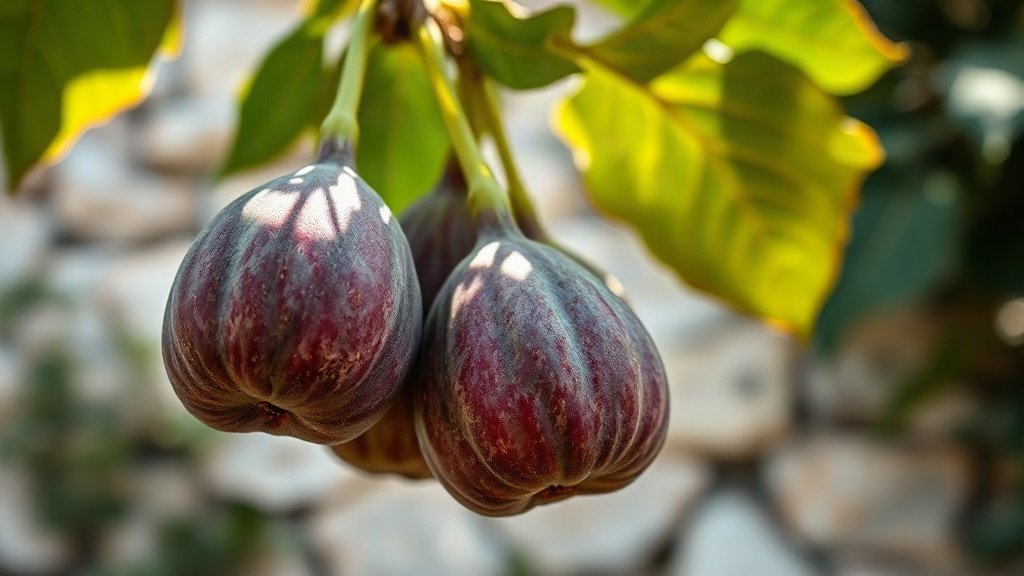
Illustration: AI-generated image
A Fruit of Sunshine and Stone
Few sights capture the essence of a Dalmatian summer like a fig tree laden with ripe fruit, its broad leaves offering shade against white stone walls. Figs (smokve in Croatian) thrive along the Adriatic coast and on the islands, where hot, dry summers and mild winters create ideal growing conditions. They are so widespread that many families have at least one tree in their garden, and the fruit often appears on tables from late summer into early autumn.
The most common varieties are the dark purple or green-skinned figs that turn soft and honeyed when fully ripe. Locals know that the best way to enjoy a fresh fig is simply to pick it warm from the branch, split it open and eat the sweet, seedy flesh right away. The skin is edible, though some prefer to peel it, and the flavour pairs beautifully with a slice of pršut or a spoonful of fresh cheese.
Preserving the Bounty
Because fresh figs do not keep long, generations of Dalmatians have mastered ways to preserve them for the colder months. One of the most traditional methods is drying: figs are gently pressed, threaded onto strings or laid on wooden racks, and left in the sun until they become dense and chewy. Dried figs are often stored in jars with bay leaves or a splash of rakija, which adds flavour and helps them keep for months.
Another beloved preserve is fig jam, made by slow-cooking ripe figs with sugar and sometimes a little lemon. The jam is thick, dark and intensely fruity, perfect for spreading on fresh bread or serving alongside hard cheeses. Many households also make a simple fig syrup or liqueur from the fruit, but the jam remains the most common way to capture the taste of summer.
Fig Cake and Other Sweet Treats
Dried figs are the star of smokvenjak, a traditional Dalmatian cake that resembles a dense, fruity loaf. The figs are ground or chopped, mixed with almonds or walnuts, and bound with a little flour and sugar or honey. The cake is often baked for special occasions and pairs wonderfully with a glass of sweet prošek or strong coffee.
In addition to cake, figs appear in various desserts across the region. They might be stuffed with almonds and rolled in sugar, added to biscotti-like pastries, or simply served with a drizzle of honey and a sprinkle of chopped nuts. Their natural sweetness means they need little embellishment, and they often feature on holiday tables as a reminder of the land's generosity.
Whether enjoyed fresh under a pergola or baked into a dense winter cake, figs are woven into the culinary fabric of Croatia's coast. Their presence speaks to a slower, seasonal way of eating—one that honours what the land provides and transforms it into simple, lasting pleasures.