Croatian Honey: A Guide to the Sweet Taste of the Adriatic
From acacia groves to coastal sage, Croatian honey captures the country's diverse landscapes in a jar. Here's how to taste it like a local.
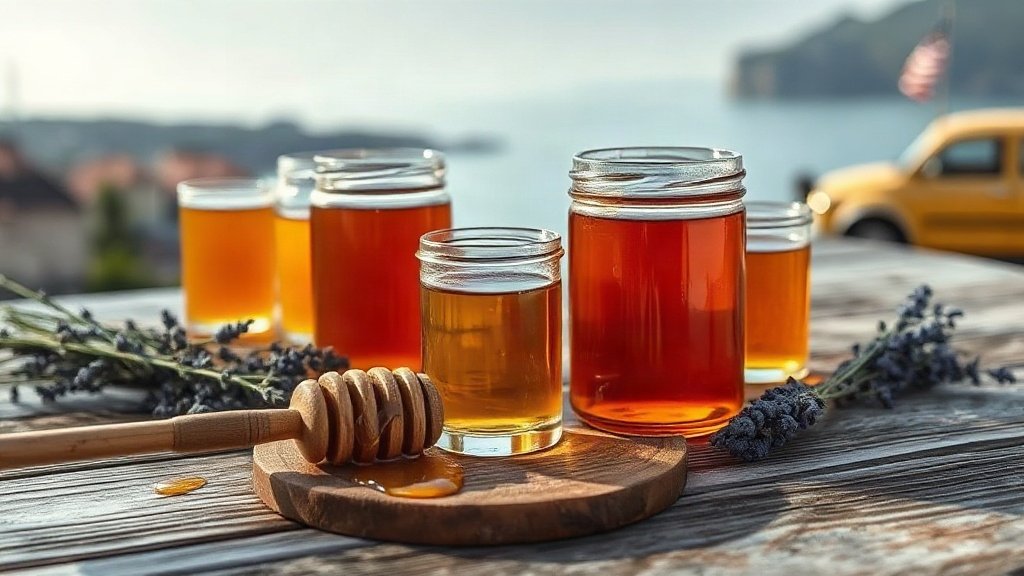
Illustration: AI-generated image
Croatia's honey is as varied as its landscapes. From the lavender fields of Hvar to the chestnut forests of the continental interior, each jar tells a story of the bees' foraging grounds. Whether drizzled over cheese, stirred into tea, or eaten straight from the spoon, Croatian honey offers a delicious way to connect with the country's natural bounty.
A landscape in a jar
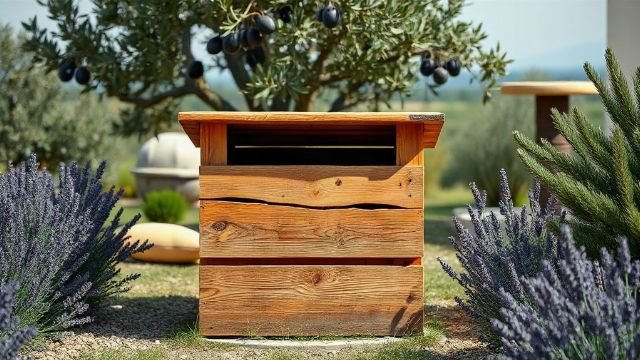
Beekeeping in Croatia has a long tradition, passed down through generations. With its clean environment, diverse flora, and Mediterranean climate, the country provides ideal conditions for bees to produce high-quality honey. Many Croatian beekeepers still use traditional methods, letting their bees roam freely across wild meadows, orchards, and coastal scrubland. The result is a product that reflects the unique terroir of each region.
Popular varieties across Croatia
Croatian honey comes in a rainbow of colours and flavours, depending on what the bees feed on. Some of the most common and beloved types include:
- Acacia honey – light, clear, and mild, with a delicate floral sweetness that never overpowers. It's a favourite for everyday use and stays liquid for a long time.
- Sage honey – from the purple sage that grows wild along the Adriatic coast, this honey has a distinctive herbal aroma and a slightly savoury undertone. It pairs wonderfully with cheese.
- Chestnut honey – dark, strong, and slightly bitter, this is a bold honey for those who like robust flavours. It's rich in minerals and pairs well with aged cheeses and game.
- Forest honey – often called honeydew honey, it comes from the sap of trees like oak and pine. It's dark, malty, and complex.
- Lavender honey – produced mainly on the islands, this honey has a gentle floral note and a pale golden colour, perfect for desserts.
Other notable varieties include linden, sunflower, and wildflower blends, each offering a taste of its own micro-region.
How to taste and buy
The best way to experience Croatian honey is to visit a local market or a family farm. You'll often find beekeepers selling directly, happy to let you sample before you buy. When tasting, let a small amount melt on your tongue to appreciate the full range of flavours. Look for honey that is labelled with its floral source and origin – terms like bagrem (acacia), kadulja (sage), or kesten (chestnut) are common.
If you're travelling, honey makes a wonderful souvenir: it's compact, long-lasting, and a true taste of the place. Just remember to pack it in your checked luggage if flying, as it counts as a liquid.
Bringing honey home
Back home, Croatian honey can elevate simple dishes. Drizzle acacia honey over Greek yogurt or fresh fruit. Use sage honey in a vinaigrette or brush it over roasted vegetables. Chestnut honey is superb with blue cheese or drizzled over vanilla ice cream. For a true Croatian treat, spread honey on a slice of warm homemade bread with a knob of butter – a classic breakfast in many households.
However you enjoy it, Croatian honey is more than a sweetener; it's a small jar of the country's sun, soil, and tradition.