Croatian Liqueurs: A Guide to Traditional Fruit and Herbal Drinks
Beyond rakija, Croatia boasts a rich tradition of sweet, aromatic liqueurs made from fruits, herbs, honey and nuts. Discover the most beloved varieties and how to enjoy them.
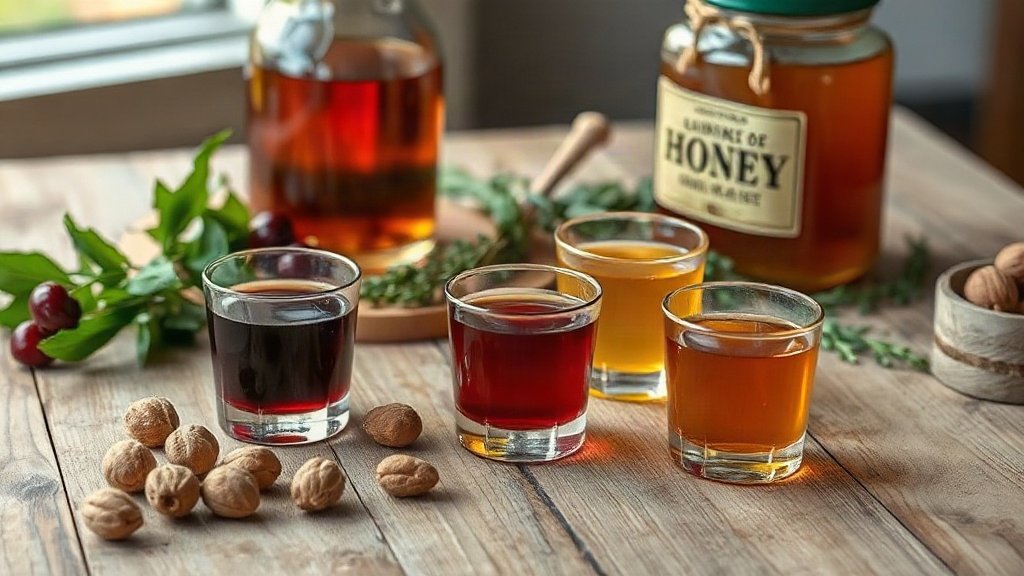
Illustration: AI-generated image
While rakija often steals the spotlight, Croatia's liqueur tradition is equally cherished. Made from local fruits, herbs, honey and nuts, these sweet, aromatic drinks are a staple at family gatherings, festive meals and after-dinner moments. Often homemade following recipes passed down for generations, each region has its own specialities. Here's what to know and how to enjoy them.
Orahovac – Walnut Liqueur
Orahovac is made from green, unripe walnuts steeped in alcohol, then sweetened and aged. It has a deep brown colour and a rich, slightly bitter-sweet flavour with notes of vanilla and spice. Traditionally served as a digestive, it's also used in baking and to flavour ice cream.
Višnjevac – Sour Cherry Liqueur
Višnjevac captures the tartness of sour cherries, balanced with sugar and often a hint of almond from the cherry pits. It's bright red, sweet yet tangy, and is a popular choice for summer evenings or as an accompaniment to desserts. Some versions are lightly spiced with cinnamon or cloves.
Travarica – Herbal Liqueur
Travarica is essentially rakija infused with a blend of medicinal and aromatic herbs, such as sage, rosemary, thyme, mint and juniper. The exact recipe varies widely, but the result is a complex, herbaceous drink believed to aid digestion. It's often enjoyed neat, sometimes with a small amount of honey added.
Medica – Honey Liqueur
Medica is made by mixing honey with rakija or neutral alcohol, sometimes with added propolis or herbs. It is smooth, sweet and pleasantly warming, with a golden hue. Originating from continental Croatia, it's a favourite winter drink, often served warm or used as a natural remedy for sore throats.
Maraschino – Zadar's Pride
Maraschino is a clear liqueur distilled from Marasca cherries, a variety native to the Zadar region. Its production dates back centuries and it gained international fame as a key ingredient in classic cocktails. The flavour is delicate, floral and almond-like, with a dry finish. It can be sipped neat, over ice, or mixed into drinks.
How to Enjoy Croatian Liqueurs
These liqueurs are typically served in small, narrow glasses at room temperature or slightly chilled. They are meant to be sipped slowly, often after a meal. Many families bring out their homemade bottles for special occasions, and they are also available at local markets and from small producers. When travelling in Croatia, ask for a taste of the local speciality – you'll likely be offered a glass with pride.
If you're inspired to try making your own, start with a simple recipe for Orahovac: gather green walnuts in early summer, quarter them, add to a jar with sugar and rakija, then steep for several weeks in the sun, shaking occasionally. Strain and age for at least a month. The result is a deeply flavourful liqueur that captures the essence of Croatian hospitality.