Croatian Noise Etiquette: A Guide to Quiet Hours and Considerate Living
Understanding when to keep the volume down is key to being a good neighbour in Croatia. Here's a practical guide to quiet hours, everyday noise and local customs.
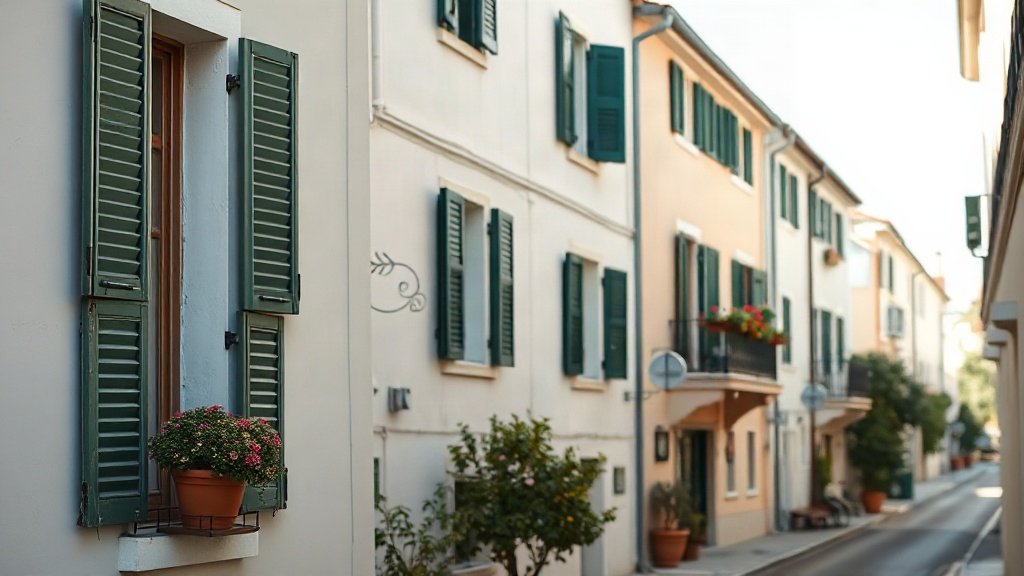
Illustration: AI-generated image
Whether you have just moved into a city flat or are settling into a village house, understanding local attitudes towards noise is an essential part of daily life in Croatia. Noise etiquette reflects broader cultural values: respect for neighbours, a balance between lively socialising and rest, and a strong sense of community. Here is what you need to know to keep the peace.
Understanding quiet hours
In Croatia, the concept of kućni red (house rules) often includes designated quiet periods. While these can vary between buildings and municipalities, many residential areas observe a general quiet time from around 10 pm to 7 am on weekdays, and sometimes extended hours on Sundays and public holidays. During these hours, residents are expected to avoid loud music, drilling, vacuuming, moving furniture, or hosting noisy gatherings.
Apartment buildings may have stricter rules posted in common areas, and some city districts enforce official noise ordinances with fines. It is wise to check with your building manager or landlord, but a good rule of thumb is to treat the hours between 10 pm and 7 am as sacred for sleep.
Everyday noise and what is acceptable
Croats are generally tolerant of normal living sounds: children playing, cooking smells, the occasional barking dog, or the hum of a washing machine during the day. However, continuous loud music or heavy bass from a party late at night is a common source of friction. If you are planning a celebration, it is courteous to inform your neighbours in advance—a friendly knock on the door or a note in the lift can go a long way.
Construction and renovation work is typically allowed during daytime hours, usually between 8 am and 6 pm on weekdays, and often not at all on Sundays. Always check local regulations before starting any noisy project, as municipalities may have specific restrictions.
Special occasions and exceptions
Croatia is a country of festivals, family gatherings, and spontaneous fešta. During public holidays like New Year's Eve or local patron saint days, noise rules are usually relaxed, and neighbours may expect more cheer. Similarly, weddings and large parties often extend into the night, but organisers are expected to respect the neighbours' patience by keeping the volume reasonable after midnight. In smaller communities, such events are often announced in advance, and neighbours may even be invited.
Religious holidays, particularly Easter and Christmas, are times of quiet reflection, and even daytime noise like lawn mowing may be frowned upon. Respecting these cultural nuances shows good neighbourliness.
Practical tips for residents and visitors
- Use headphones for late-night TV or music, especially in apartments with thin walls.
- If you have a balcony, be mindful of conversations that might carry, particularly after 10 pm.
- When hosting a gathering, let neighbours know ahead of time and try to keep windows closed after quiet hours.
- If you are disturbed by noise, approach your neighbour politely and calmly; most issues are resolved through friendly conversation.
- Familiarise yourself with your building's kućni red and any municipal noise regulations.
Understanding and respecting Croatia's noise etiquette not only keeps the peace but also helps you integrate into the local community. A little consideration goes a long way in making your Croatian home a harmonious one.