Croatian Olive Oil: A Guide to Tasting and Choosing the Best
Extra virgin olive oil is one of Croatia's finest products, with a long tradition on the Adriatic coast. Learn about the regions, varieties and how to pick a good bottle.
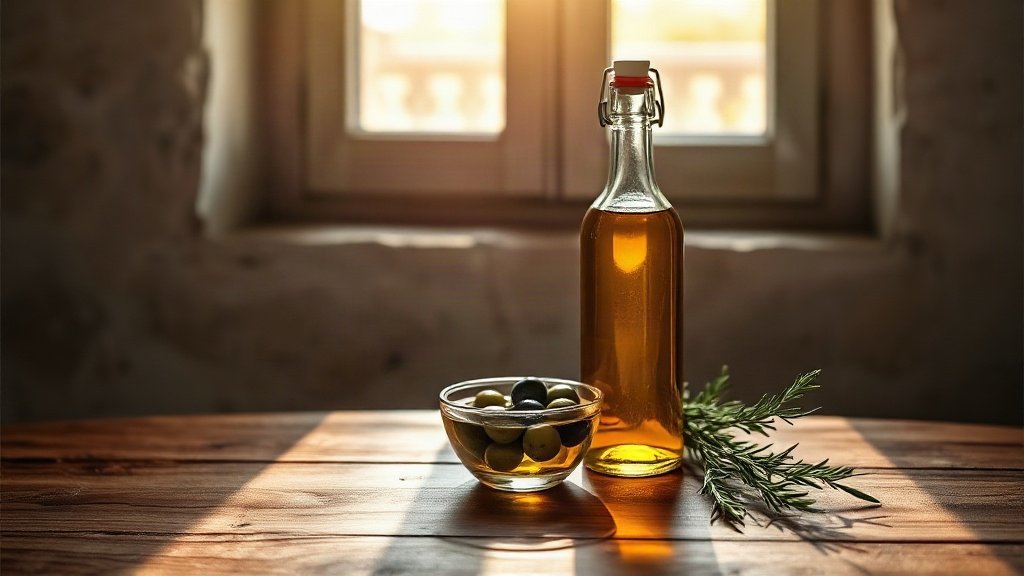
Illustration: AI-generated image
Croatia's olive oil tradition dates back to Roman times, and today the country produces some of the world's finest extra virgin olive oils. While many visitors come for the sea and sun, a tasting of local olive oil is a culinary highlight. This guide explains where it's made, what makes it distinct, and how to choose a good bottle.
Where Croatian Olive Oil Comes From
Croatia's olive-growing regions line the Adriatic coast and islands. The main areas are:
- Istria: known for robust, peppery oils, often from the Buža, Istarska Bjelica, and Leccino varieties.
- Kvarner and the islands (Krk, Cres, Rab, Pag): produce balanced oils with herbal notes.
- Dalmatia (including Šolta, Brač, Hvar, Korčula): oils tend to be fruitier and milder, with the Oblica variety dominating.
- Inland Dalmatia and Ravni Kotari: less well-known but emerging with quality oils.
Most groves are small and family-run, with many producers using traditional methods alongside modern technology.
What Makes Croatian Olive Oil Special
Croatian extra virgin olive oils are prized for their freshness and intensity. Key characteristics:
- Indigenous varieties: Oblica and Buža are the most widespread, but rare local cultivars like Lastovka, Drobnica, and Krvavica offer unique flavours.
- Terroir: rocky limestone soil, abundant sunshine, and sea breezes create oils with pronounced aromas of green grass, artichoke, tomato leaf, and wild herbs.
- Harvest and pressing: many producers pick olives early (October/November) and press within hours, resulting in low acidity and high polyphenols (antioxidants that give a peppery finish).
Croatian oils regularly win awards at international competitions, yet remain relatively under the radar compared to Italian or Spanish oils.
How to Taste Olive Oil
Tasting olive oil is similar to wine. Follow these steps:
- Pour a small amount into a glass, warm it with your hand, and sniff. Look for fresh, green aromas like cut grass, herbs, or green apple.
- Slurp a spoonful, letting it coat your mouth. Note the fruitiness, bitterness, and pungency. A slight peppery burn in the throat is a sign of high-quality, polyphenol-rich oil.
- Cleanse your palate with water or apple slices between samples.
When tasting, evaluate: fruity (green or ripe), bitter, and pungent. The best Croatian oils usually have a good balance of all three.
Choosing and Storing Olive Oil
When buying Croatian olive oil, keep these tips in mind:
- Look for "ekstra djevičansko maslinovo ulje" (extra virgin olive oil) on the label, and check the harvest date or best-before date; olive oil is best within 18 months of pressing.
- Dark glass bottles or tins protect oil from light; avoid clear bottles if possible.
- If possible, buy directly from producers at green markets or family farms, where you can often taste before buying.
- Store in a cool, dark place, away from the stove, and use within a few months of opening.
Whether drizzled over fresh bread, grilled fish, or a simple salad, Croatian olive oil elevates any meal. Exploring its regional differences is a delicious way to connect with the country's culinary heritage.