Decoding the Croatian Menu: A Practical Guide to Ordering with Confidence
Dining out in Croatia is a joy, but the menu can be a puzzle if you're not familiar with the language and local dining customs. This guide helps you understand common sections, dishes and phrases so you can order like a local.
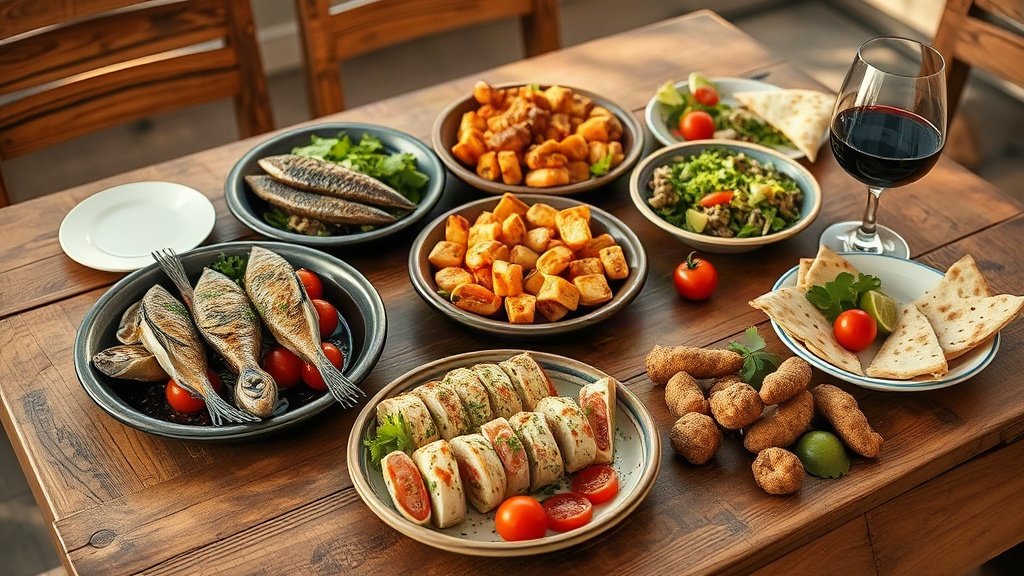
Illustration: AI-generated image
Dining out in Croatia is a pleasure, but the menu can be a puzzle if you're not familiar with the language and local dining customs. From konobas to fine dining, knowing a few key words and phrases will help you order with confidence and avoid surprises.
Understanding the Menu Structure
Most Croatian menus follow a traditional structure. You'll often see sections for hladna predjela (cold starters), topla predjela (hot starters), juhe (soups), glavna jela (main courses), jela s roštilja (grilled dishes), prilozi (side dishes), salate (salads) and deserti (desserts). In coastal areas, you'll also find riba (fish) and morski plodovi (seafood) sections, while inland menus often feature mesna jela (meat dishes) and divljač (game).
Common Starters and Soups
A typical starter might be pršut (dry-cured ham, similar to prosciutto) served with sir (cheese) and olives. Paški sir is the famous sheep's cheese from the island of Pag. Other popular cold starters include kulen (spicy cured sausage from Slavonia) and marinirane srdele (marinated sardines). Hot starters might feature pohani sir (fried cheese) or gljive na žaru (grilled mushrooms). Soups range from clear goveđa juha (beef broth) to thick krem juha (cream soup), often made with seasonal vegetables like buča (pumpkin) or brokula (broccoli).
Main Courses: From Land and Sea
For meat lovers, ćevapi (grilled minced meat fingers) are a must-try, often served with lepinja (flatbread) and chopped onion. Pljeskavica is a spiced meat patty, while ražnjići are skewers of marinated pork or chicken. A hearty traditional dish is sarma (cabbage rolls stuffed with minced meat and rice), often served with pire krumpir (mashed potatoes). In Dalmatia, pašticada is a slow-cooked beef dish in a rich sweet-sour sauce, typically accompanied by njoki (gnocchi).
Along the coast, fish is often priced by weight. Look for orada (sea bream), brancin (sea bass) or luben (dentex). Grilled fish is usually served with blitva (Swiss chard with potatoes and garlic) and olive oil. Seafood risottos and pastas are common, such as crni rižot (black risotto made with cuttlefish ink) or špageti s plodovima mora (spaghetti with seafood).
Grilled and Side Dishes
Many konobas specialise in jela s roštilja (grilled dishes). You'll see miješano meso (mixed grill) which is a generous platter for sharing. Sides include pomfrit (chips), riža (rice), tjestenina (pasta) or pečeni krumpir (roast potatoes). Salads are simple: zelena salata (green lettuce), mješana salata (mixed salad) or the classic kupus salata (cabbage salad).
Desserts and Drinks
For something sweet, try palačinke (crepes) filled with jam, chocolate or walnuts, or fritule (small fried dough balls, often flavoured with rum and citrus zest). Rožata is a Dalmatian custard pudding similar to crème caramel. To drink, ask for voda (water) which is usually served in bottles, mineralna (sparkling) or obična (still). Local wines are excellent, and rakija (fruit brandy) is a common aperitif or digestif.
Ordering Tips
- Menus are usually in Croatian, but many tourist areas offer English translations. Don't hesitate to ask for jelovnik na engleskom (menu in English).
- Portions can be large, so consider sharing or ordering a starter and a main to share.
- In konobas, it's common to order a gablec (daily lunch special) at a fixed price, which is great value.
- If you have dietary restrictions, learn key phrases: bez mesa (without meat), bez glutena (gluten-free), alergija na (allergic to).
- Tipping is appreciated but not obligatory; rounding up the bill or leaving 10% for good service is common.
With this guide, you're ready to explore Croatia's rich culinary scene. Dobar tek!