Falconry in Croatia: A Guide to the Ancient Art of Hunting with Birds of Prey
Discover the UNESCO-listed tradition of falconry in Croatia, from its medieval roots to modern-day demonstrations, and learn where to see this ancient partnership between human and bird.
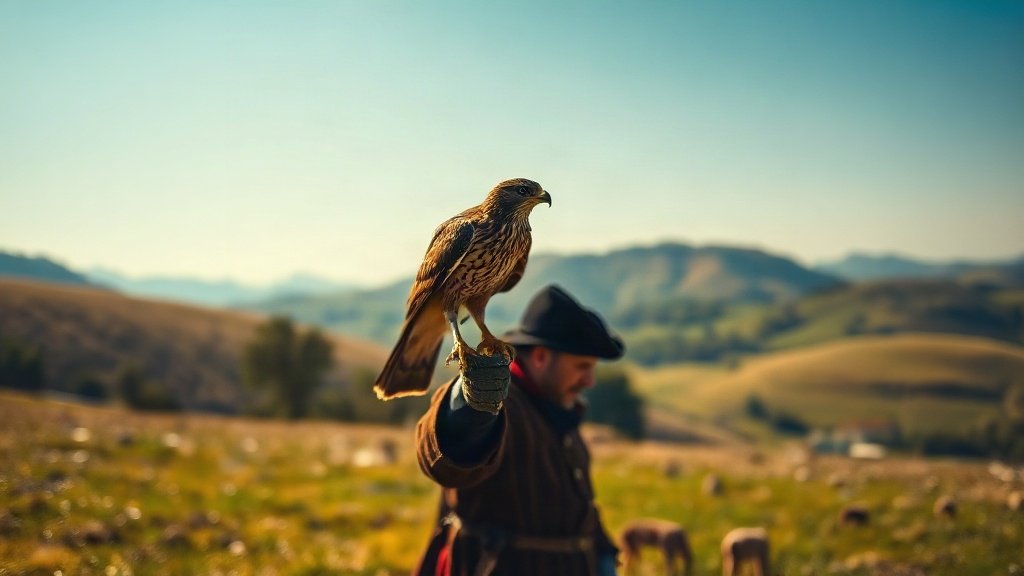
Illustration: AI-generated image
Falconry, the ancient art of hunting with trained birds of prey, has deep roots in Croatia. Recognised by UNESCO as an intangible cultural heritage of humanity, this tradition offers a fascinating glimpse into a centuries-old bond between humans and raptors. Whether you're a history buff, a nature lover, or simply curious, learning about falconry in Croatia adds a rich layer to any cultural exploration.
A Medieval Legacy
Falconry arrived in Croatia during the Middle Ages, brought by nobles who valued birds of prey as symbols of status and skill. Historical records show that falconers were employed at royal courts and aristocratic estates across the region. Over time, the practice spread beyond the elite, becoming part of rural life, particularly in the flatlands of Slavonia and Baranja, where open fields provided ideal hunting grounds.
The Birds and the Bond
Traditional Croatian falconry primarily uses native raptors such as the saker falcon, peregrine falcon, and northern goshawk. Training a bird is a patient, months-long process built on trust and positive reinforcement. The falconer, known locally as a sokol or jastrebar, develops a unique partnership with the bird, which returns to the glove after each flight. This relationship is central to the cultural value of the practice, emphasising respect for the bird's wild nature.
UNESCO Recognition and Modern Practice
In 2010, UNESCO inscribed falconry on the Representative List of the Intangible Cultural Heritage of Humanity, acknowledging its living heritage across many countries, including Croatia. Today, falconry in Croatia is maintained by dedicated enthusiasts who preserve traditional methods while adapting to modern conservation standards. Public demonstrations often take place at cultural festivals, medieval fairs, and heritage sites, offering visitors a chance to see these magnificent birds up close.
Where to Experience Falconry
The best way to experience falconry in Croatia is through organised demonstrations, which typically occur during summer cultural events or at castles and open-air museums in continental Croatia. The regions of Slavonia, Baranja, and Zagorje are known for active falconry communities. While hunting is seasonal and restricted to licensed practitioners, educational displays are more widely available and family-friendly. Contacting local tourist boards before your visit can help you find scheduled events.
Practical Tips for Visitors
- Respect the birds: Always follow the falconer's instructions and keep a safe distance unless invited closer.
- Ask questions: Falconers are usually passionate about sharing their knowledge; don't hesitate to ask about training and care.
- Photography: Flash photography can startle birds, so check with the handler first and avoid using flash.
- Dress comfortably: Demonstrations often take place outdoors, so wear appropriate footwear and sun protection.
Falconry in Croatia is more than a relic of the past; it's a living tradition that continues to inspire awe and respect for nature. Whether you witness a diving falcon or simply learn about the craft, you'll come away with a deeper appreciation for this UNESCO-listed heritage.