Harvesting and Curing Olives at Home: A Croatian Tradition
From family groves to city balconies, turning fresh olives into a delicious homemade treat is a cherished autumn ritual. Here's how to do it yourself.
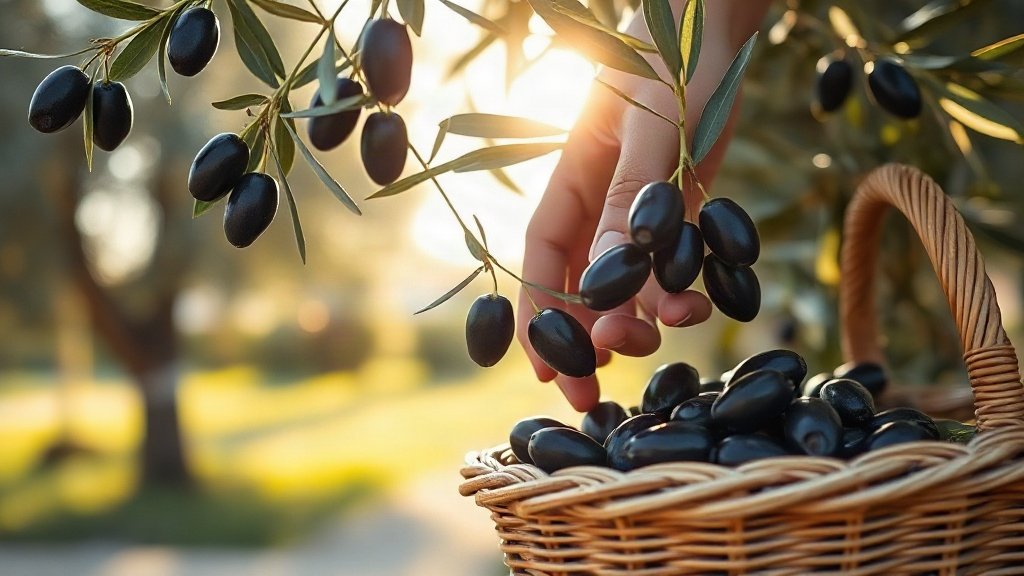
Illustration: AI-generated image
For many families along the Croatian coast and islands, autumn means olive harvest. It is a social event, often involving several generations, and even if you do not own trees, you might be invited to help. After picking, olives are far too bitter to eat raw; they need to be cured. Here is how to do it at home.
Harvesting basics
Olives are ready when they turn from green to purple-black, usually in late autumn. Pick by hand for table olives to avoid bruising. Use a small rake or comb to gently strip branches over a net. Sort and discard damaged fruit. Keep green olives separate from black; they cure differently.
What you will need
- Freshly picked olives (about 1 kg for a first batch)
- Clean glass jars or food-grade plastic containers
- Non-iodised salt (sea salt or rock salt)
- Water
- A sharp knife or olive slitter (optional)
- Optional flavourings: garlic, lemon peel, rosemary, fennel seeds, bay leaves
Curing methods
Two simple methods work well at home: brine curing and dry salt curing.
Brine curing (works for both green and black)
- Wash olives and slit each one with a knife or prick with a fork to help bitterness leach out.
- Place olives in a container and cover with a saltwater solution: about 100g salt per 1 litre of water (10% brine). Use a plate or weight to keep them submerged.
- Change the brine every day for the first week, then every few days. Green olives need 4-6 weeks; black olives about 3-4 weeks. Taste after a few weeks: they should lose most bitterness.
- Once ready, make a fresh brine (about 80g salt per 1 litre) and transfer olives to jars. Add flavourings if desired. Cover with brine, seal, and store in a cool dark place. They keep for months.
Dry salt curing (best for black, wrinkled olives)
- Layer clean black olives with coarse salt in a container, using about 1 part salt to 2 parts olives.
- Leave for 3-4 weeks, shaking or stirring every few days. The olives will shrivel as salt draws out bitter liquid.
- Drain the liquid, rinse olives briefly, then toss with olive oil and optional dried herbs. Store in jars covered with olive oil. These are intense and salty, perfect with cheese and bread.
Serving and storing
Homemade olives are a proud addition to a marenda or as a snack with rakija. Keep them submerged in brine or oil, and always use a clean spoon. If a white film appears on brine, it is usually harmless kahm yeast; skim it off and add a little vinegar to the brine.
Making your own olives takes patience but little skill. It is a rewarding way to connect with a Croatian tradition that marks the rhythm of the year.