How to Be a Good Neighbour in Croatia: Understanding Komšiluk
Komšiluk, the Croatian concept of neighbourliness, is more than just living next door. Here’s how to build warm, respectful relationships with your neighbours.
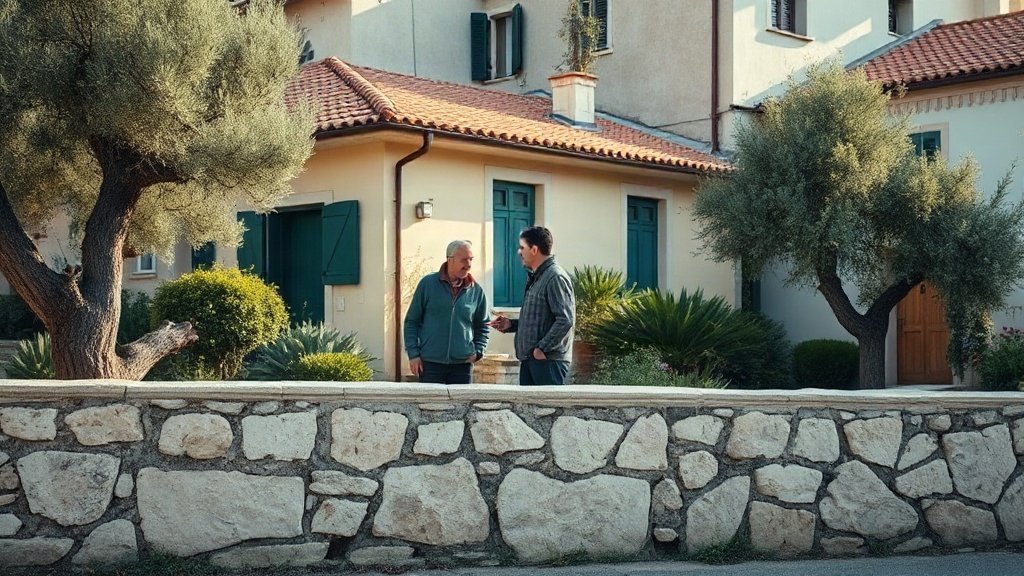
Illustration: AI-generated image
In Croatia, the word komšiluk (or susjedstvo) carries a weight that goes beyond simply sharing a street. It describes a web of mutual obligations, small kindnesses and daily interactions that bind a community together. For newcomers, understanding these unwritten rules can make the difference between feeling like an outsider and truly belonging.
The Meaning of Komšiluk
Komšiluk is rooted in a culture where people have always relied on one another. Historically, neighbours shared tools, helped with harvests and watched over each other’s homes. Today, that spirit lives on in everyday gestures: a knock on the door to borrow sugar, a friendly chat over the fence, or a plate of homemade cakes delivered for no particular reason. Being a good neighbour isn’t about grand gestures; it’s about showing up regularly and with sincerity.
Practical Neighbourly Gestures
Start with simple greetings. A cheerful dobar dan when you pass on the stairs or in the garden goes a long way. Take the time to learn names and use them. If you have a garden, sharing surplus produce—tomatoes, figs, zucchini—is a time-honoured tradition. When a neighbour is ill or has a new baby, offering to run an errand or bring a meal is deeply appreciated. These actions signal that you are part of the community, not just passing through.
Respecting Shared Spaces
In apartment buildings and shared courtyards, cleanliness and quiet are paramount. Sweep the common staircase or hallway when it’s your turn, and don’t leave personal items in communal areas. If you have a balcony, avoid shaking out rugs or watering plants in a way that drips onto neighbours below. Parking respectfully—never blocking driveways or taking someone’s habitual spot—is another key courtesy.
Dealing with Noise and Schedules
Croatians value their afternoon rest, especially in summer. Between roughly 2 p.m. and 5 p.m., many neighbourhoods observe fjaka or quiet time. Avoid loud DIY, lawn mowing or boisterous music during these hours. Evenings are generally fine for socialising, but be mindful of late-night noise on weekdays. If you’re planning a party, a friendly heads-up to immediate neighbours is always appreciated.
Building Long-Term Bonds
True komšiluk means being there in both good times and bad. Attend local gatherings, such as the annual street feast or a neighbour’s name-day coffee. Offer help during storms or power cuts. Over time, these small investments create a safety net and a sense of home. As one local saying goes: “Bolji je dobar komšija nego daleki rod.” (A good neighbour is better than a distant relative.)