How to Buy Commercial Property in Croatia: A Step-by-Step Guide
A practical overview of the process for purchasing business premises in Croatia, from due diligence to registration, with insights on legal requirements and costs.
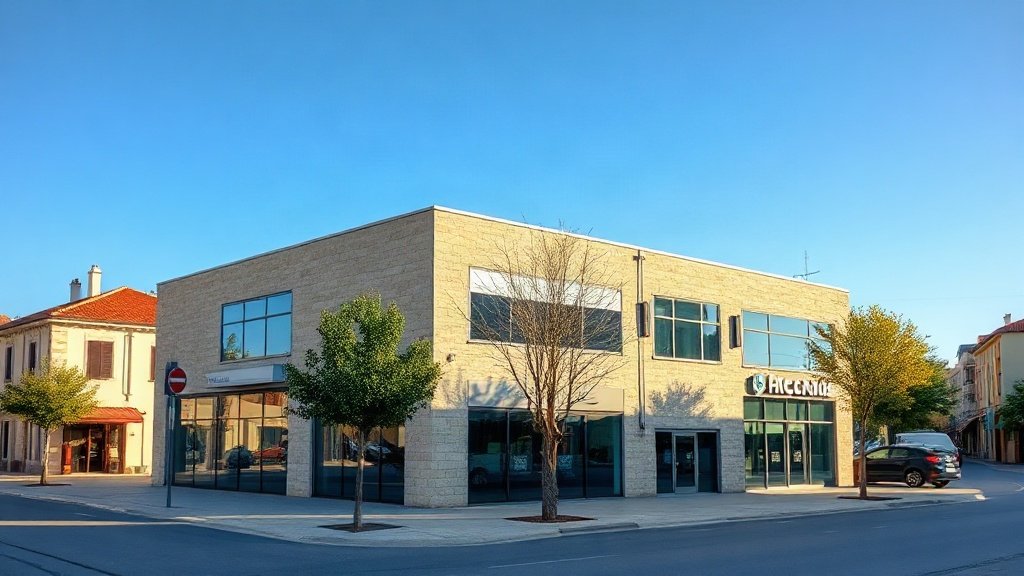
Illustration: AI-generated image
Buying commercial property in Croatia can be a sound investment, whether you need premises for your own business or plan to lease it out. The process is well regulated, but it requires careful preparation, especially if you are unfamiliar with local property law. This guide walks you through the essential steps, from initial planning to final registration.
Understand the Legal Framework
Croatia allows both domestic and foreign individuals and companies to purchase commercial real estate, subject to certain conditions. Citizens of EU member states generally enjoy the same rights as Croatian citizens. Non-EU buyers may face restrictions based on reciprocity agreements, so it is wise to confirm your eligibility early. All properties must be registered in the land registry (zemljišna knjiga) and cadastre (katastar), which provide official records of ownership and boundaries.
Key Steps in the Purchase Process
A typical commercial property purchase follows a clear sequence:
- Define your needs and budget: Consider location, size, accessibility, and potential for future expansion. Factor in renovation costs if the property is not turnkey.
- Engage local professionals: A lawyer (odvjetnik) experienced in real estate is essential. You may also work with a licensed real estate agent and a notary public (javni bilježnik), who must authenticate the final contract.
- Conduct thorough due diligence: Your lawyer should check the land registry for ownership, mortgages, easements, or other encumbrances. Verify that the property’s designated use (namjena) matches your business activity and that all necessary permits and energy certificates are in place.
- Sign a preliminary agreement: Often a pre-contract (predugovor) is signed, along with a deposit (kapara), usually a percentage of the purchase price. This binds both parties to proceed under specified conditions.
- Finalise the sale: The final purchase agreement must be executed before a notary. Payment is typically made via bank transfer once all conditions are met.
- Register ownership: The notary submits the application to the land registry. Once registered, you become the legal owner. Registration fees apply.
Costs and Taxes to Anticipate
Beyond the purchase price, budget for several additional costs. These include property transfer tax, notary fees, legal fees, real estate agent commission (if used), and land registry fees. The exact amounts vary, so ask your advisor for a detailed breakdown. Some transactions may be exempt from transfer tax if VAT applies, which is common for new buildings sold by developers.
Practical Considerations for Business Use
Commercial properties in Croatia come in various forms: offices, retail spaces, warehouses, or mixed-use buildings. Check zoning regulations to ensure your intended use is permitted. Also assess the property’s energy performance, access for deliveries, parking availability, and compliance with fire safety and accessibility standards. Renovating or adapting a space may require additional permits, so factor in time and cost.
Conclusion
Purchasing commercial property in Croatia is achievable with the right guidance. By engaging legal and real estate professionals, conducting thorough due diligence, and understanding the costs involved, you can navigate the process confidently and secure a valuable asset for your business.