How to Dine Like a Local: A Guide to Croatian Restaurants and Konobas
From rustic konobas to refined restaurants, here's how to navigate Croatia's dining scene and eat well on your travels.
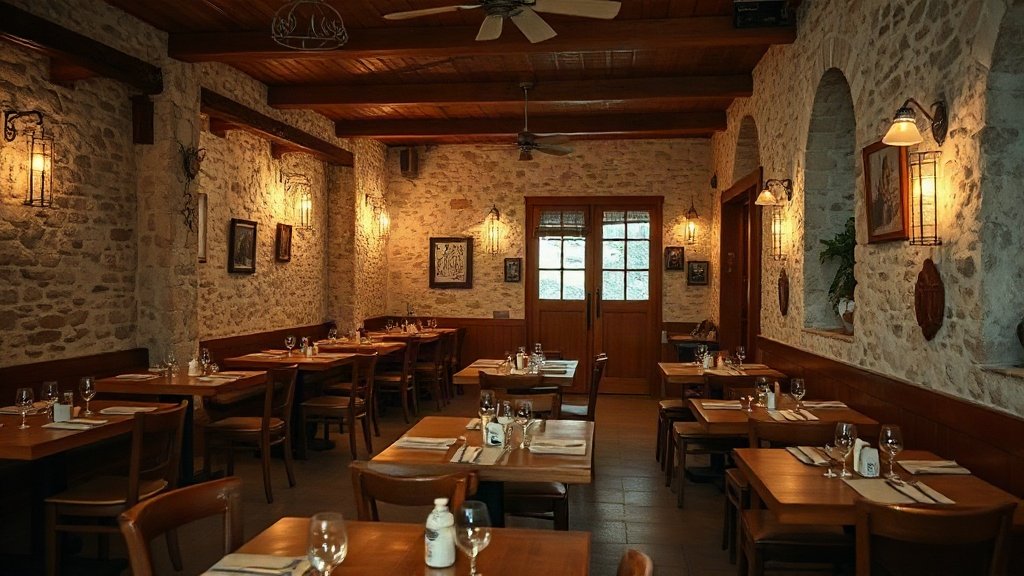
Illustration: AI-generated image
Croatia's dining scene is as varied as its landscape, from family-run taverns in stone villages to sleek fine-dining rooms in coastal cities. Understanding the types of eateries and local customs will help you eat like a local and make the most of every meal.
The Konoba: Croatia's Beloved Tavern
The heart of Croatian dining is the konoba—a traditional tavern, often family-owned and steeped in rustic charm. Expect wooden tables, stone walls, and a menu of hearty regional dishes. Konobas excel at slow-cooked meats and seafood, often prepared under a peka (a bell-shaped lid covered in embers), as well as grills and stews. Atmosphere is casual, and house wine is typically served in carafes. In coastal areas, konobas focus on fresh fish and shellfish; inland, you'll find more meat, game, and truffle-infused dishes.
Restaurants: From Bistro to Fine Dining
A restoran in Croatia is a more formal establishment with a broader menu that may include international dishes alongside local classics. In larger cities and tourist hubs, you'll find contemporary bistros offering lighter fare, creative takes on Croatian cuisine, and excellent wine lists. Fine-dining restaurants, particularly in Zagreb, Split, and Dubrovnik, showcase the country's culinary evolution with tasting menus and modern presentations. While dress codes are generally relaxed, smart casual is a safe bet for upscale venues.
Pizzerias and Quick Bites
Pizzerias are ubiquitous along the Adriatic coast, serving wood-fired pizzas with thin, crispy crusts and local toppings like pršut and arugula. Spaghetterias offer a range of pasta dishes, often with seafood. These are great options for a casual, affordable meal, and many are family-friendly. For a quick bite, look for bakeries selling burek (flaky pastry filled with meat, cheese, or spinach) or a slice of pizza from a street-side window.
How to Order and What to Expect
Menus are often bilingual, but daily specials (dnevna ponuda) may be on a chalkboard or recited by the waiter. Don't hesitate to ask for recommendations—locals are proud of their cuisine and happy to guide you. Sharing plates is common in konobas, where dishes are often large and meant for the table. Bread is usually brought automatically, and a small cover charge (coperto) per person may appear on the bill; this is not a tip but a standard practice. Tipping is appreciated but not mandatory; rounding up or leaving 10% for good service is customary.
House Wine and Local Drinks
In konobas, ordering house wine (vino kuće) is a wise choice—it's usually good value and locally produced, often from a nearby vineyard. You can order it by the glass, half-litre, or litre carafe. For something stronger, try a shot of rakija (fruit brandy) as an aperitif or digestif. Tap water is generally safe to drink, but bottled water is widely available.
Meal Times and Seasonal Menus
Lunch (ručak) is traditionally the main meal of the day, served from around noon to 3pm. Dinner (večera) starts later, typically from 7pm onwards, and kitchens may close by 10pm in smaller towns. Menus change with the seasons: spring brings wild asparagus and lamb, summer is peak for tomatoes, zucchini, and seafood, autumn is truffle and mushroom season, and winter features hearty stews and cured meats.
Practical Tips
- Cash is still common in smaller konobas and rural areas, though cards are widely accepted in cities and tourist spots.
- Reservations are recommended for popular restaurants, especially during summer and on weekends.
- If you have dietary restrictions, many places are accommodating, but it helps to learn a few Croatian phrases or have a translation app handy.
- Don't rush—meals are meant to be savoured, and waiters won't bring the bill until you ask for it ("račun, molim").
Dining out in Croatia is an experience that goes beyond food—it's about hospitality, tradition, and taking time to enjoy. Whether you're lingering over a seafood platter in a seaside konoba or tasting a modern tasting menu in Zagreb, you'll find that the spirit of the table is warm and welcoming.