How to Dry Figs at Home: A Dalmatian Tradition
Drying figs is a cherished tradition in coastal Croatia, turning a summer abundance into a sweet treat for winter. Here's how to do it at home.
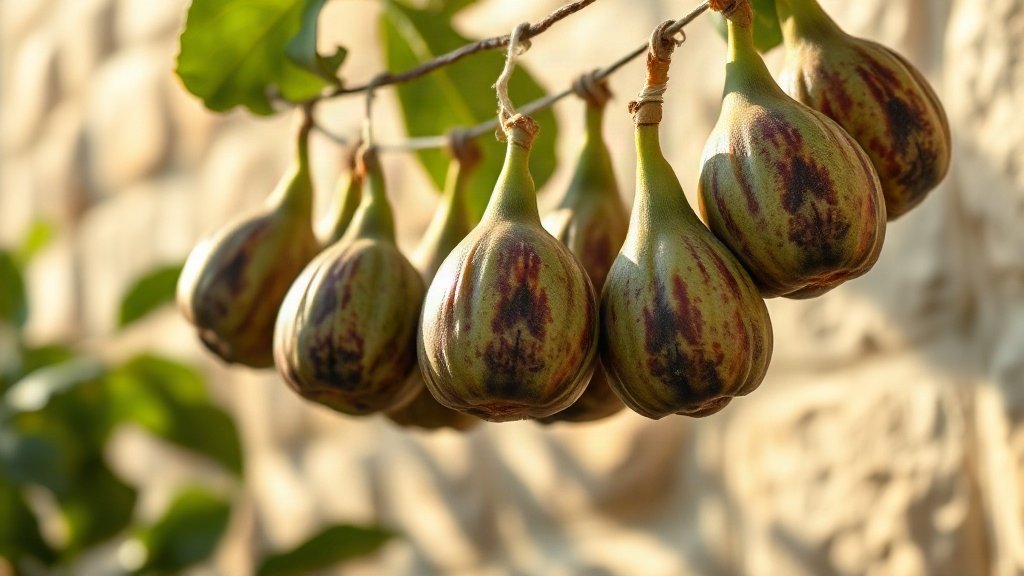
Illustration: AI-generated image
In Dalmatia, the end of summer brings a quiet ritual: figs are picked at their peak and laid out to dry in the sun. What begins as a glut of fruit becomes a winter pantry staple—chewy, honey-sweet, and ready to be enjoyed with a glass of rakija or tucked into a traditional cake. Drying figs at home is simple, requires little equipment, and connects you to a practice that has shaped Croatian kitchens for centuries.
Choosing the right figs
Start with fully ripe figs—they should be soft to the touch, slightly drooping on the branch, and heavy with natural sugars. The best varieties for drying are those with thinner skins and high sugar content, common along the coast. Avoid figs that are bruised, split, or have begun to ferment. Pick them in the morning after the dew has dried, and process them the same day for the best results.
Preparing the figs
Wash the figs gently in cold water and pat them dry. Some traditional methods call for a quick dip in boiling water or a light blanching to soften the skin and speed up drying. You can also cut larger figs in half, but whole figs dry more slowly and retain a fuller texture. If you like, add a bay leaf or a few fennel seeds between layers of figs as they dry—a trick some Dalmatian households use to add a subtle aroma.
Drying methods
The most authentic way is sun-drying. Thread whole figs onto a clean string or thin wooden skewers, leaving a little space between each fruit. Hang them in a warm, dry, airy spot—a south-facing wall, a balcony, or a covered terrace works well. Protect them from insects with a light cloth or netting. Depending on the weather, sun-drying can take four to seven days. Bring the figs inside at night to avoid moisture.
If the weather is unreliable, use an oven or a food dehydrator. For oven drying, place figs on a wire rack over a baking tray and set the oven to its lowest temperature (around 60–70°C). Leave the door slightly ajar to let moisture escape. Check every few hours; oven drying may take 12–24 hours. A dehydrator gives more consistent results and takes roughly 8–12 hours at 55–60°C.
Storing and using dried figs
Figs are ready when they feel leathery but still pliable, with no visible moisture when squeezed. Let them cool completely, then store in airtight containers in a cool, dark place. They will keep for several months; for longer storage, refrigerate or freeze. In Dalmatia, dried figs are often enjoyed on their own, paired with a small glass of travarica or prošek, or chopped into cakes and festive breads. They also make a wonderful homemade gift.
Drying figs is more than a preservation method—it is a way to slow down and savour the season's sweetness. With a little patience and sun, you can bring a taste of the Croatian coast into your own kitchen.